
Modern construction projects push limits. Bigger buildings, heavier materials, tighter deadlines. All this ramps up the need for safe, efficient lifting systems. Get it wrong, and you face structural damage or worse—safety hazards on site.
That’s where smart solutions come in. Tools like embedded lifting sockets step up to handle the load. They cut risks and keep things moving smoothly. Focus on construction lifting safety, and heavy lifting equipment makes all the difference.
Crown Foot Lifting Socket
What Makes the Crown Foot Design Stand Out
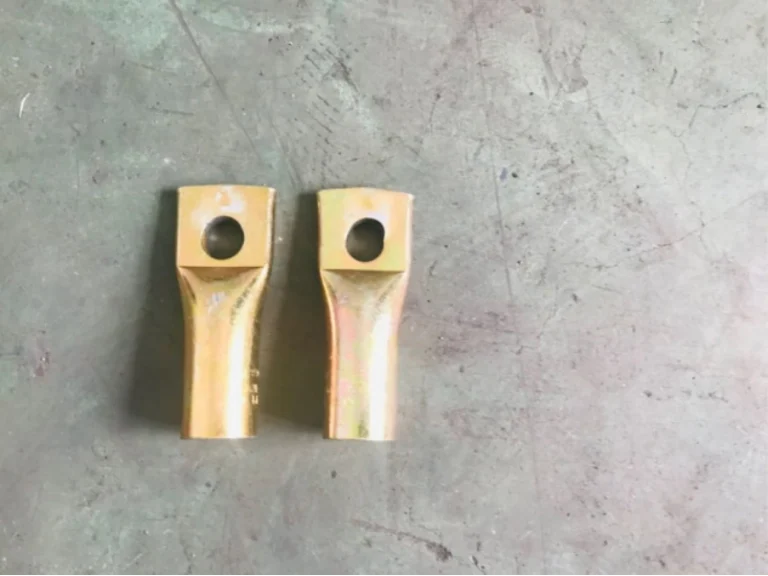
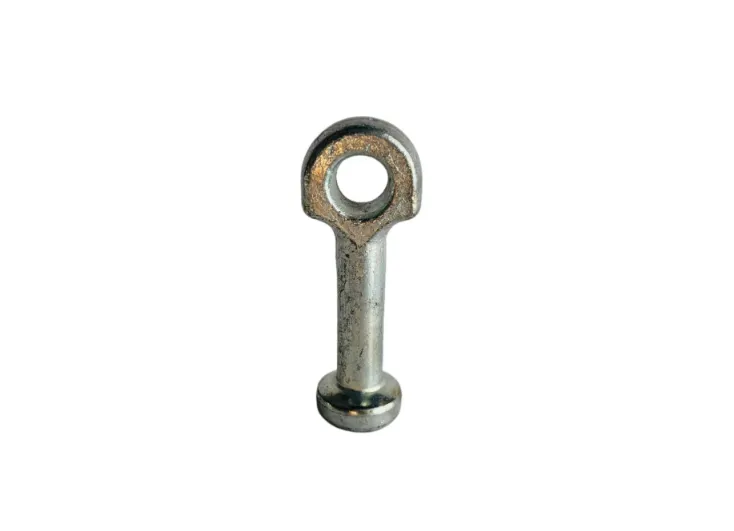
The crown foot lifting socket is a game changer for heavy lifts. It’s basically a metal anchor embedded in concrete. The unique crown foot shape spreads out the force, like roots gripping soil. This design grabs hold better than standard sockets.
Picture it: a flared base that digs into the material. No slipping under pressure. Builders rely on these for secure connections during lifts.
How Installation Works
Installation starts early. Pour the concrete, but first place the socket in position. It gets embedded right in, becoming part of the structure. Once set, it distributes loads evenly across the surface.
Load Distribution and Engineering Edge
Loads can twist or pull unevenly. The crown foot counters that. It channels forces downward and outward. Result? Less stress on any single point.
BaoQi adds precision engineering to the mix. Their sockets undergo rigorous checks. Think about embedded lifting parts that last through weather and wear. Reliable, every time.
Key Applications in Modern Construction
Crown foot lifting sockets shine in big projects. They handle the weight where it counts.
Curtain Wall Installation
Skyscrapers need sleek facades. Curtain walls are heavy glass panels. Embed sockets in the frame, and lifting becomes straightforward.
Hook up cranes, lift into place. No wobbling. These sockets support the weight during install, keeping everything aligned. In cities like New York or Dubai, this speeds up curtain wall installation without hiccups.
Bridge Construction
Bridges span rivers, highways. Segments weigh tons. Lifting and joining them? Tricky.
Sockets embedded in beams make it easier. Cranes attach directly. Bridge component lifting turns precise. Less time dangling in the air means fewer risks for crews below.
Ever seen a bridge go up? It’s mesmerizing, but safety first. These tools keep the process grounded.
Heavy Equipment Foundation
Cranes, turbines, elevators—they all need solid bases. Sockets fix them in place.
For industrial sites, this means stable foundations. Heavy equipment foundation work avoids shifts or cracks. Turbines in wind farms, for example, stay put even in gusts.
Industrial lifting sockets like these prove essential. They adapt to various setups, from factories to power plants.
Safety and Efficiency Advantages
Why choose crown foot sockets? They boost safety and cut waste.
Improved Structural Stability
Embed them in concrete, and the whole setup gains strength. Integration means better load capacity. No weak links.
Structures hold firm under stress. Think earthquakes or high winds—these sockets help absorb shocks.
Simplified Lifting Process
Connect to cranes or hoists in seconds. No fumbling with makeshift rigs. This slashes onsite risks. Crews spend less time exposed to heights or heavy drops. Safe lifting design at its best.
Cost Reduction
Skip welding or drilling extras. Less rework too. Projects finish faster, budgets stay intact.
Reliable lifting sockets pay off quick. Materials last longer, repairs drop.
Installation and Maintenance Best Practices
Get it right from the start. Here’s how.
Choosing the Right Socket Model
Match the socket to the load. Check specs for weight limits, material types. BaoQi offers models for different concretes—lightweight or reinforced. Pick based on project needs.
Accurate Positioning Steps
- Measure twice. Align with blueprints.
- Secure in formwork before pour.
- Use levels for perfect placement.
Lifting socket installation demands attention here. A slight offset spells trouble later.
Inspection Routines
Post pour, inspect visually. Look for cracks or shifts. Maintenance? Clean debris, check for corrosion yearly.
- Torque tests on connections.
- Log findings for records.
Embedded socket maintenance keeps things safe. Follow a construction site safety checklist—simple habits save headaches.
Common Mistakes and How to Avoid Them
Even pros slip up. Spot these pitfalls early.
Misalignment During Embedding
Sockets end up crooked. Lifts pull unevenly.
Solution: Double check with templates. BaoQi engineers suggest laser guides for precision. Stick to standards, avoid lifting socket errors.
Overloading Due to Improper Selection
Pick the wrong size, and it fails under weight. Avoid by calculating loads first. Construction safety standards emphasize this—don’t guess.
Neglecting Post Installation Inspection
Skip checks, hidden issues build.
Routine scans catch problems. Lifting system troubleshooting starts with vigilance. These tips stem from real site feedback. Small oversights lead to big fixes, but prevention is straightforward.
Future Trends in Safe Lifting Technology
Lifting tech evolves fast. What’s next?
Smart Load Monitoring
Sensors in sockets track stress in real time. Alerts pop up on apps if loads spike.
This adds a layer of smarts. Construction innovation at work—prevents overloads before they happen.
Corrosion Resistant Materials
New alloys fight rust better. Especially in coastal builds. BaoQi explores these for longer life. Smart lifting systems integrate tech with toughness.
Modular Socket Systems
Mix and match parts for custom fits. Easier swaps on site. Trends point to flexibility. Lifting technology trends favor adaptable tools, cutting downtime.
Exciting stuff, right? Keeps the industry moving forward, safer than ever.
Conclusion: Building Safety from the Ground Up
Safe construction practices start with solid foundations. Crown foot sockets deliver that—reliable holds for heavy lifts.
Heavy lifting solutions like these transform projects. Readers curious? Reach out to BaoQi for technical data or demos. Build smarter, stay safe.
FAQ
Q: What is a Crown Foot Lifting Socket?
A pre-embedded metal anchor with a flared crown-foot base that spreads loads evenly in concrete.
Q: How does it improve safety during lifting?
It integrates with concrete for better stability, simplifies crane connections, and reduces onsite risks.
Q: Where are BaoQi Crown Foot sockets commonly used?
In curtain walls, bridge segments, and heavy equipment foundations like cranes or turbines.
Q: What’s the biggest installation mistake to avoid?
Misalignment—always double-check positioning with templates or laser guides before pouring concrete.
Q: How often should embedded sockets be inspected?
Visually after installation, then yearly for corrosion and torque; log all checks.