Industrial lifting—especially in the context of precast concrete construction—isn’t just about moving heavy things. It’s about handling very heavy weights, odd shapes, and risky settings. In these places, a tiny mistake can lead to harm, broken stuff, or even bigger problems. Done well, industrial lifting keeps safety rules in check. It also holds timelines steady. And it makes sure every piece ends up right where it needs to be.
What Does Industrial Precast Lifting Involve?
Key Components of Precast Lifting Systems
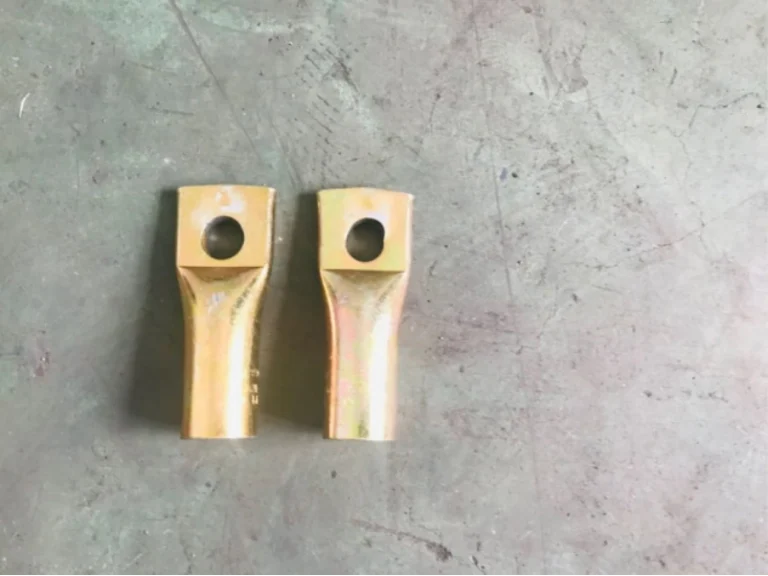
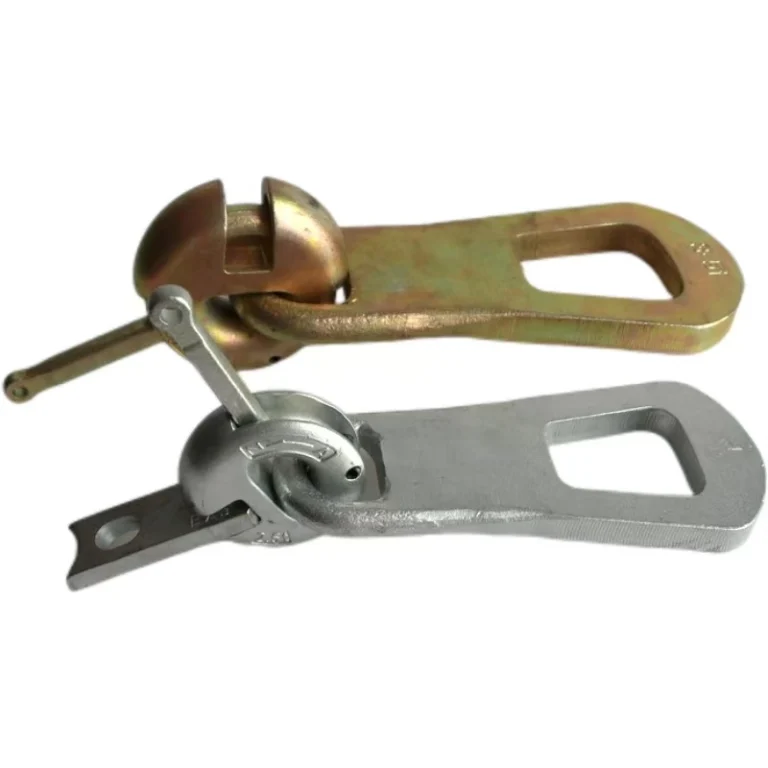
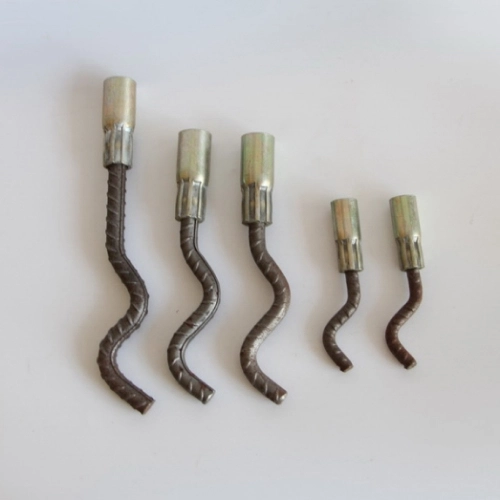
Precast lifting systems consist of various hardware pieces. They work together to safely hoist and place concrete elements. Common components include:
- Lifting anchors: embedded in concrete for secure attachment.
- Clutches: connect lifting devices to anchors.
- Eye bolts: provide threaded lifting points.
- Spreader beams: distribute loads evenly across multiple points.
One key consideration is the choice between forged and cast components. Forged hardware usually gives stronger build and better grain setup. This makes it tougher under pressure. Cast components, while cheaper, might have weaker pull strength. They can also have hidden gaps inside. In important jobs like bridge parts or tall building outer walls, using forged parts often boosts safety edges.
Load transfer is another vital factor. In precast concrete, attachment points must be placed just right. They need to match the center of gravity. This ensures even lifting. If anchors are off or hardware is picked wrong, it can cause tilting. Or even cracks in the structure during the lift.
Common Applications in Construction and Heavy Industry
Industrial lifting systems are used across a wide range of environments:
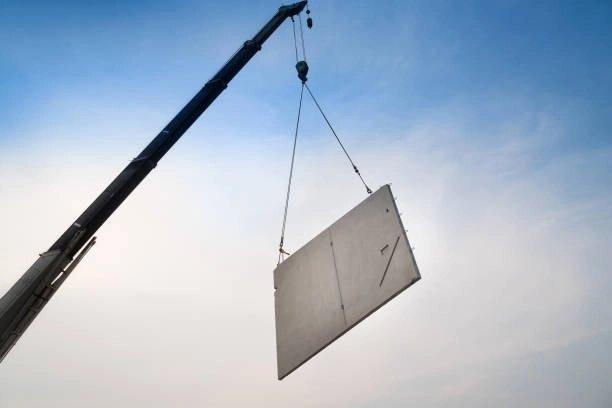
- Building construction: hoisting precast wall panels or stair units into place.
- Infrastructure projects: placing bridge girders, culverts, or deck slabs.
- Heavy industrial moves: relocating machinery or setting up steel frames.
Each of these scenarios demands exact calculations. And strong attention to detail. For instance, when lifting precast panels for a commercial façade, you need even anchor setup. Plus correct rigging angles. This helps stop side swings during hoisting.
Why Is Lifting Safety Important?
Risks Associated with Improper Lifting Practices
Lifting failures aren’t just ideas—they really happen. Wrong choice or use of hardware can lead to breaks in the air. Dropped loads from shaky rigging put workers in direct danger. Beyond personal safety gear like helmets or harnesses, good load handling and gear picks are the main shields.
When a lift goes bad, the effects spread out:
- Injuries or fatalities
- Damaged equipment or structural components
- Project delays and cost overruns
Even with protective equipment in place, no PPE can make up for a failed anchor under full load.
Regulatory Standards and Compliance Requirements
Safety compliance is non-negotiable in this field. OSHA mandates clear guidelines for crane operations and rigging safety. Additionally, EN (European Norms) and ASME standards define design tolerances and use cases for lifting hardware.
General contractors often enforce site-specific protocols. These are added on top of federal rules. This includes pre-lift meetings, documented risk assessments, and equipment inspections before every shift.
Who Needs Lifting Certification?
Roles Requiring Formal Training and Certification
In industrial lifting operations, training isn’t just for crane operators:
- Crane operators: must understand load dynamics and equipment limits.
- Rigging specialists: handle selection of slings, anchors, clutches.
- Supervisors: oversee lift plans and verify compliance on-site.
Each role comes with a unique responsibility. And that can’t be done without formal training.
Certification Programs Relevant to the Industry
Credentialing organizations like NCCCO offer standardized testing for crane operators. Rigging certification programs focus on both theory and hands-on skills. Some companies also develop in-house programs. These are tailored to their lifting systems. They are especially valuable when using proprietary anchor designs or hardware combinations.
Best Load Management Techniques
Planning for Load Weight, Center of Gravity, and Balance
Effective load management begins well before the lift:
- Calculate total weight including rigging gear.
- Identify center of gravity to avoid rotational instability.
- Distribute loads symmetrically to prevent tipping.
For example, lifting a 10-ton beam with off-center anchor placements could result in an unexpected pivot mid-air. And that’s dangerous for anyone nearby.
Proper Use of Lifting Anchors, Clutches, and Hardware Systems
Precision is everything. Always select hardware rated for your load type. This includes any angular loads. A vertical lift differs a lot from one with 45-degree tension forces.
Verify compatibility between anchors and clutches. Mismatched parts can slip under pressure. And never side-load components designed for axial force only. This is a common cause of early failure.
Crane Operation Safety Guidelines
Pre-Lift Safety Checks and Setup Procedures
Before any lift begins:
- Assess ground conditions—soft soil or unstable terrain can tip a crane.
- Check boom angle, radius, and clearance based on the lift plan.
- Confirm communication channels among operators, riggers, and signalers.
Miscommunication at this stage can mess up an otherwise safe operation.
Safe Operation During Precast Component Handling
During the lift itself:
- Avoid sudden swings; they stress both the load and crane.
- Maintain distance from power lines or nearby structures.
- Use tag lines to control rotation during placement.
Simple habits like keeping lines tight or walking loads into place can make a big difference in safety work outcomes.
Maintenance and Inspection Protocols for Precast Lifting Equipment
Routine Inspection Procedures Before Use
Inspecting lifting equipment is as routine as wearing personal safety equipment:
- Look for signs of wear or corrosion on all metal surfaces.
- Check welds, bolts, chains, shackles—anything under tension.
- Test moving parts like clutches or locking pins to confirm function.
Even small cracks or rust patches may indicate underlying damage. And that’s not visible from the surface.
Long-Term Maintenance Strategies to Prevent Failures
Preventive maintenance saves lives and money:
| Component | Recommended Action | Interval |
| Slings & Hooks | Replace if frayed/deformed | Every 6–12 months |
| Clutches & Pins | Lubricate & test function | Monthly |
| Anchors (reusable) | Inspect threads & coatings | Before each use |
Keep detailed logs for inspections. This helps track wear patterns. And it ensures compliance with regulations over time.
Why the Right Lifting Equipment Matters
Matching Equipment Specifications to Job Requirements
Not all jobs need the same gear. You’ll need to match:
- Load ratings to actual weights
- Weather resistance for outdoor/corrosive environments
- Custom shapes for tight fits or odd geometries
Sometimes off-the-shelf parts won’t cut it. That’s where experienced suppliers come in.
BaoQi is a manufacturer and supplier specializing in forged, casted, and stamped metal components used in construction, lifting systems, machinery, and related sectors. Their experience with custom heavy-duty hardware makes them a reliable partner when standard parts fall short.
Consequences of Using Incorrect or Worn-Out Hardware
Using the wrong gear is more than just inefficient. It’s dangerous:
- Equipment failure under load jeopardizes lives.
- Violations of safety standards carry legal consequences.
- Downtime from rework drains productivity fast.
Cutting corners rarely pays off in industrial lifting. It’s better to trust certified components from manufacturers who understand these risks firsthand. BaoQi supplies heavy-duty systems built to meet international quality standards with full traceability documentation.
Take Charge of Your Industrial Precast Lifting Safety Today
Building a Culture of Safety Around Precast Lifting Operations
A safe site depends on more than just rules. It needs active buy-in:
- Encourage reporting of worn-out gear or risky practices.
- Hold regular safety refreshers as tools evolve.
- Invest in certified systems—not just for compliance but peace of mind.
Safety work only works if everyone sees it as part of their job. Not someone else’s problem.
Partnering with Reliable Suppliers for Quality Hardware Solutions
Choosing the right partner matters:
- Work with manufacturers who meet international certifications.
- Look for suppliers experienced in forged parts built for structural use.
- Require documentation support for every component delivered.
In high-risk lifting environments, having the right equipment provider isn’t optional. It’s strategic.
FAQs
Q1: What is the most critical factor when lifting precast concrete elements?
Understanding the center of gravity and using compatible lifting hardware are key to preventing instability during lifts.
Q2: Are forged components always better than cast ones?
Forged parts generally offer higher strength and durability but may cost more; the choice depends on your load requirements.
Q3: How often should lifting gear be inspected?
Before each use for critical components like anchors or slings; monthly or annually depending on frequency of use.
Q4: What certifications should crane operators hold?
NCCCO certifications or equivalent credentials recognized by construction authorities are essential for compliance.
Q5: Can I reuse lifting anchors embedded in concrete?
Only if they are designed as reusable systems—always check manufacturer guidance before reuse.