Picking between lifting sockets and lifting anchors can really decide how smooth a precast concrete job runs. Both setups work as key spots for moving and placing precast parts. Yet their results change based on what weights they must carry, how you set them up, and how well they hold up over time. Basically, lifting sockets suit lighter pieces that need fast setup. Meanwhile, lifting anchors stand out for tough tasks that call for more strength.
What Are Lifting Sockets
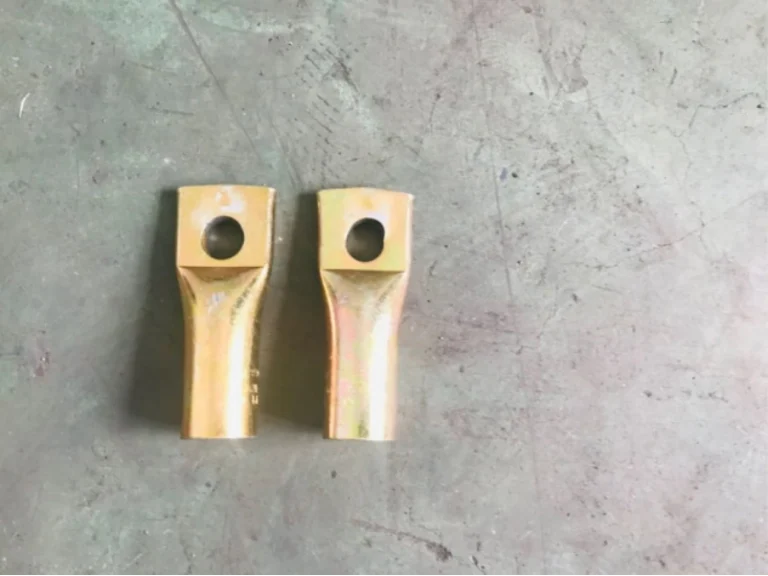
Lifting sockets are metal pieces placed inside concrete. People use them to raise and manage precast concrete items without risk. They offer a solid spot to link lifting clutches during moving or setting in place. Usually crafted from stainless steel or carbon steel, these sockets appear in many forms and measurements to match various building demands.
Common Types of Lifting Sockets
Threaded sockets count as the usual sort. They include inner threads that let a lifting clutch or threaded rod join straight on. This provides simple putting together and taking apart.
Spherical head sockets come with a ball-head setup that permits loading from several ways. Such bendiness fits them for hard lifting positions.
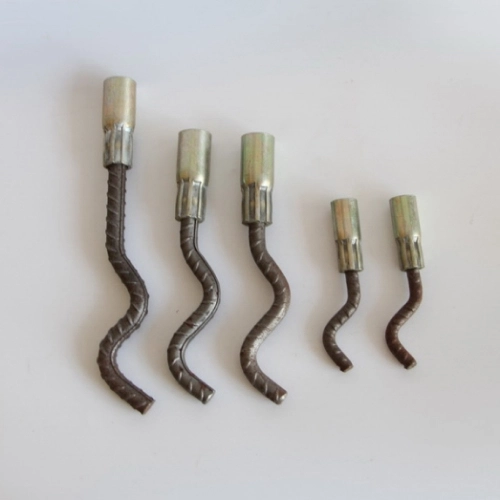
Ferrule sockets possess an outer ferrule ring that boosts grip inside the concrete. It betters defense against yanking out under pulling stresses.
Advantages of Lifting Sockets
- Easy installation process: The simple threading setup allows fast placing into forms before adding concrete.
- Versatility in applications: Lifting sockets work nicely in design panels, steps, or tinier building parts where exact moving matters.
- Cost-effectiveness: Their basic shape cuts down on stuff waste and work hours. So they stay friendly on the wallet for repeated precast work.
What Are Lifting Anchors
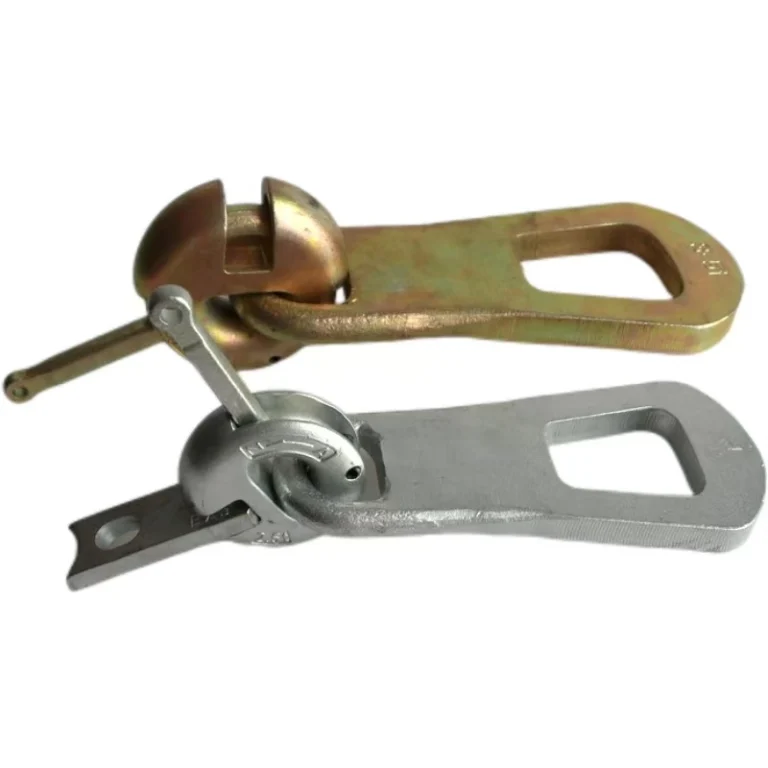
Lifting anchors are sturdy metal inserts made to handle big weights while raising and shifting large precast items. Different from sockets, they usually have built-in tops or rings. These pair with particular lifting clutches.
Common Types of Lifting Anchors
Eye anchors include a round opening at the top for straight linking with hooks or chains. Folks often use them in weighty concrete chunks.
Plate anchors consist of a flat steel plate welded to an anchor body, providing enhanced load distribution over larger surface areas.
Loop anchors use a steel wire loop embedded in concrete, offering flexibility for multidirectional forces during lifting.
Advantages of Lifting Anchors
- High load-bearing capacity: Made for huge building parts like bridge supports or wall sections.
- Enhanced durability: Their thicker build and rust-proof layers lengthen use time.
- Suitable for heavy-duty applications: Great for times with big cranes or when you need top safety edges on the job.

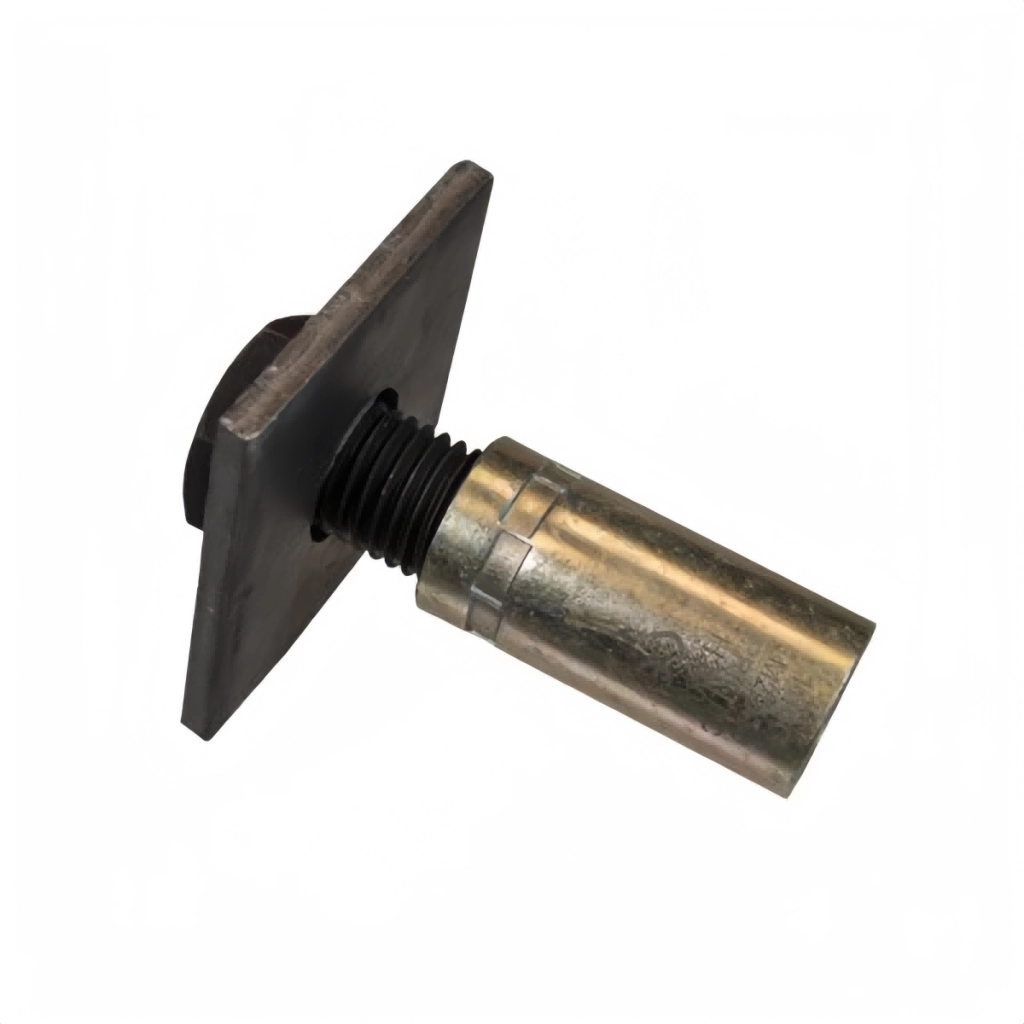
Key Differences Between Lifting Sockets and Lifting Anchors
| Feature | Lifting Sockets | Lifting Anchors |
| Load Capacity | Moderate; suited for light to medium loads | High; ideal for heavy-duty precast components |
| Installation | Threaded into formwork; easy removal | Cast-in with reinforcement; permanent |
| Material & Design | Often threaded tubes or sleeves | Solid forged or cast shapes with eyes or plates |
| Typical Use | Panels, stairs, small beams | Columns, walls, bridge segments |
The chief contrast shows in how they pass on loads. Sockets depend on thread hold and nearby concrete power. Anchors spread forces via their form and added support blend.
How to Choose: Factors You Should Consider
Deciding between these two rests on a few details tied to the job.
Weight and Size of Precast Elements
Checking the full weight counts a bunch. For light panels facing normal pressure, lifting sockets work well. But when you handle ton-heavy builds that need extra safety steps, concrete lifting anchors bring more trust.
Installation and Handling
Simple setup can cut a lot of time at the site. Threaded socket setups make things easier because you can use them again with regular lifting clutches. Anchors need more exact spot placement. Still, they give better steadiness after you put them in.
Aesthetic Requirements
In design jobs where outer looks count, hidden sockets stop bare metal from appearing after mold removal. Anchors could leave spots on the face unless you sink them carefully or hide them afterward.
Safety Standards
Make sure to follow local safety rules like EN 1992-1-1 or similar ones that control precast moving setups. Test papers from makers help confirm set strengths and work bounds.
Project Budget
Weighing cost next to results matters. Anchors might cost extra at first because of stuff amount and detail. Yet they lower danger in strong-pressure raises. This saves possible fix costs down the line.
When to Use Lifting Sockets vs. Lifting Anchors
Choose Lifting Sockets If:
- The job calls for speedy setup and pull-out.
- Budget limits are tight.
- The raised parts are fairly small or pretty panels where looks count more than super power.
Choose Lifting Anchors If:
- The job deals with heavy or big precast parts like bridge beams.
- Lasting strength ranks high.
- Spot conditions ask for the most safety room under changing weights.
Why Choose BaoQi for Your Precast Lifting Solutions
BaoQi is a trusted metal component manufacturer specializing in forged, cast, and stamped parts used across construction and machinery industries. As a producer of both lifting sockets and concrete lifting anchors, BaoQi focuses on precision engineering to ensure consistent quality across every batch. Their product range includes customized anchors for concrete applications that meet strict industry standards while maintaining cost efficiency through optimized production processes.
Teaming up with BaoQi lets you tap into skill know-how gained from years of sending out heavy gear setups worldwide. Their workers aid customers from picking designs to suggesting tests. This helps builders select the proper mix of lifting clutch systems and anchor styles fitted to each job’s wants.
FAQs
Q: What materials are typically used for manufacturing lifting sockets?
They’re generally made from stainless steel or carbon steel depending on corrosion resistance requirements.
Q: Can I reuse lifting anchors after demolding?
No, most cast-in anchors are designed for single use because they remain embedded in the concrete element permanently.
Q: Are threaded sockets compatible with all types of lifting clutches?
Not always—compatibility depends on thread size and manufacturer specifications; always check before use.
Q: How do I determine the correct anchor capacity?
Refer to manufacturer load tables based on embedment depth, reinforcement layout, and concrete strength class.