Precast construction moves quickly, often under strict deadlines and tricky logistics. Making sure safety happens during lifting of heavy concrete parts is not only a rule—it’s key for the structure. CE certified lifting anchors give the dependability, tracking, and solid performance that engineers and site bosses need to cut risks and boost work speed on site.
Lifting Anchors in Precast Concrete
Role of Lifting Anchors in Precast Construction
Lifting anchors have a big job in dealing with precast concrete pieces from start to finish—from taking them out of molds at the plant to putting them in place at the job. They do three main things:
- Allow safe, exact lifting and moving of concrete parts.
- Lower chances of mishaps during moving and setting.
- Keep the structure strong while the part faces shortterm loads.
No matter if it’s wall panels, beams, or staircases, these anchors get built into the precast units. They work as secure metal anchors for hooking up lifting tools. Right setup makes sure each unit lifts without harming the concrete’s inner strength.
Importance of CE Certification for Lifting Anchors
CE certification shows that lifting anchors meet European safety and work standards, like those in EN 1090 and EN 1992. This is more than just paperwork—it makes sure that:
- Items go through tough checks for strength in use.
- Making processes stick to steady quality checks like ISO 9001.
- Each piece can be traced with a Declaration of Performance (DoP). This is vital for checks and keeping the supply chain solid.
When picking concrete anchors for lifting, ones with CE marks offer a proven level of trust for projects around the world.
Types and Characteristics of CE Certified Lifting Anchors
Common Types Used in Precast Applications
Based on the shape and weight spread of a precast piece, builders pick different anchor kinds:
- Threaded lifting anchors: Great when you need points that can adjust—handy in parts that fit together.
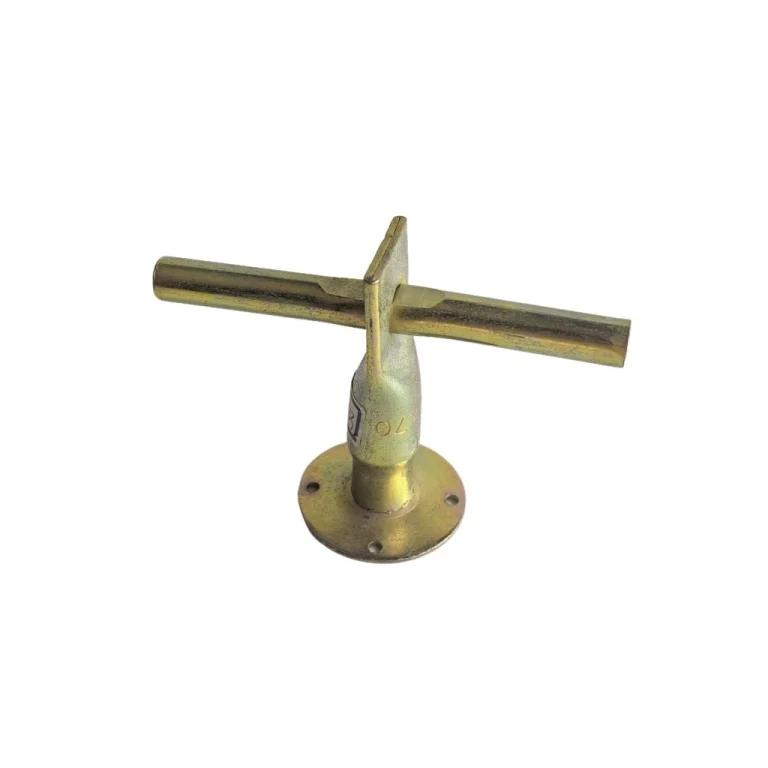
- Erection anchors: Made for loads from many directions, so they fit upright pieces like columns or front panels.
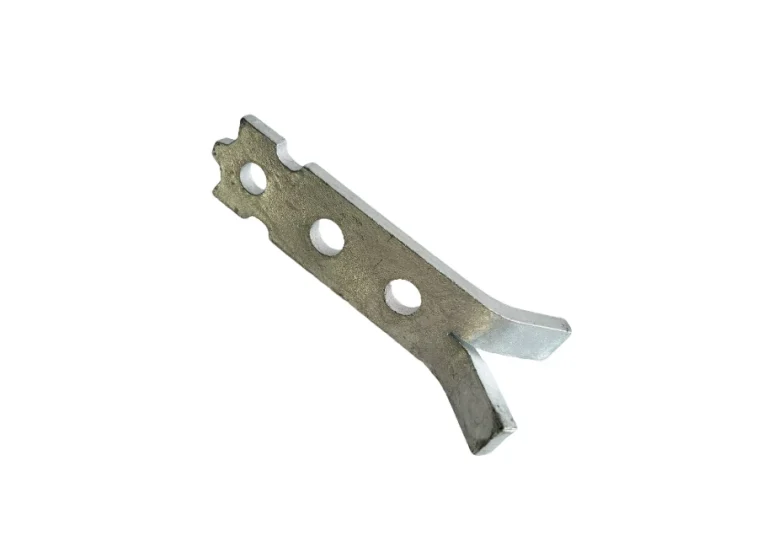
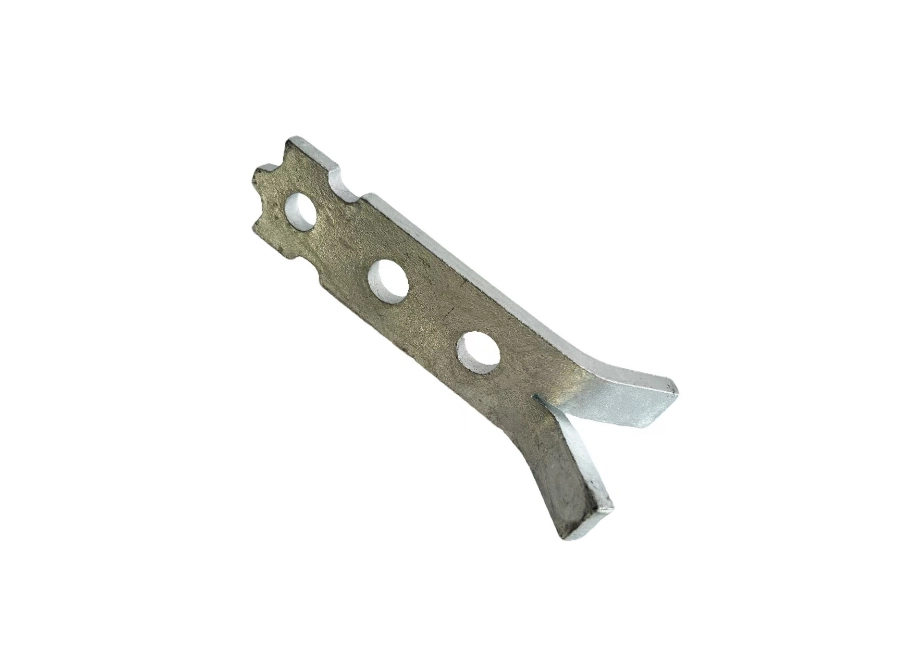
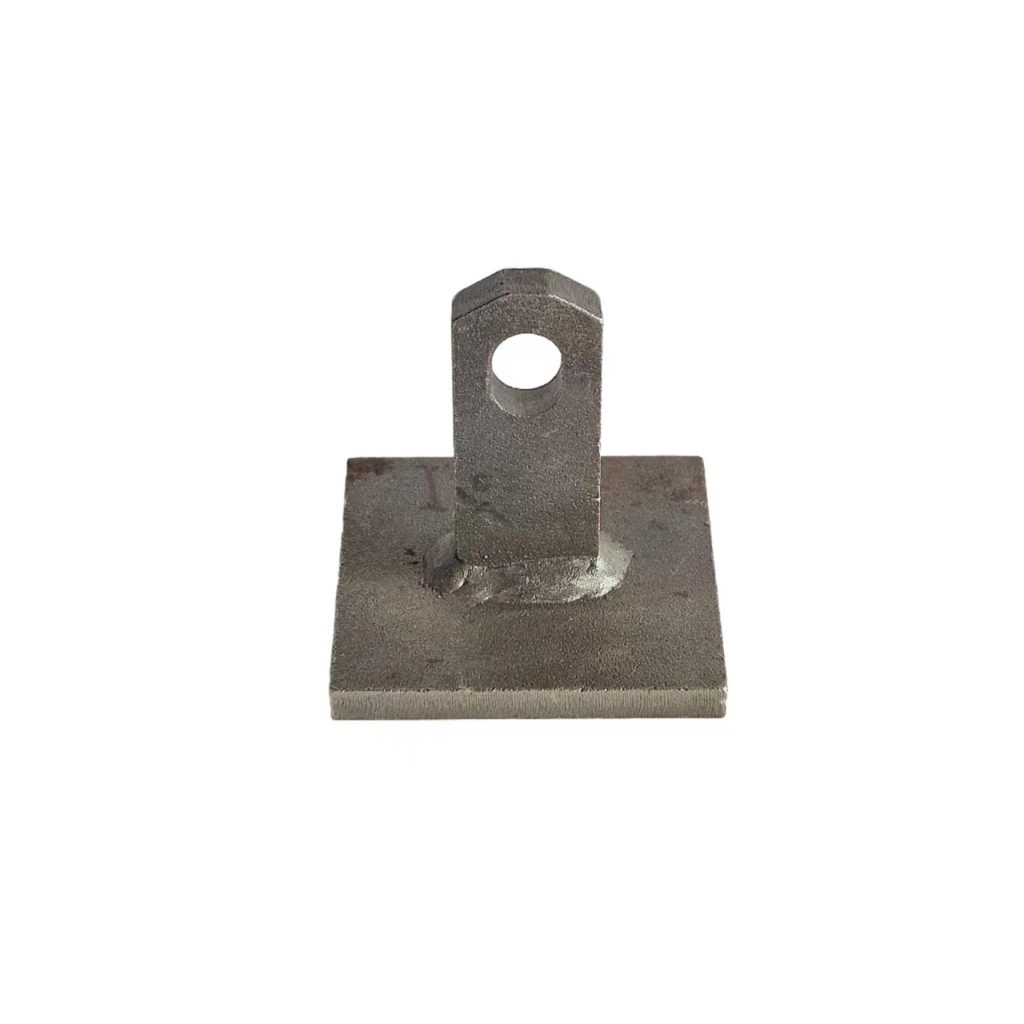
- Plate anchors: Good for slim or narrow concrete bits where you can’t go deep.
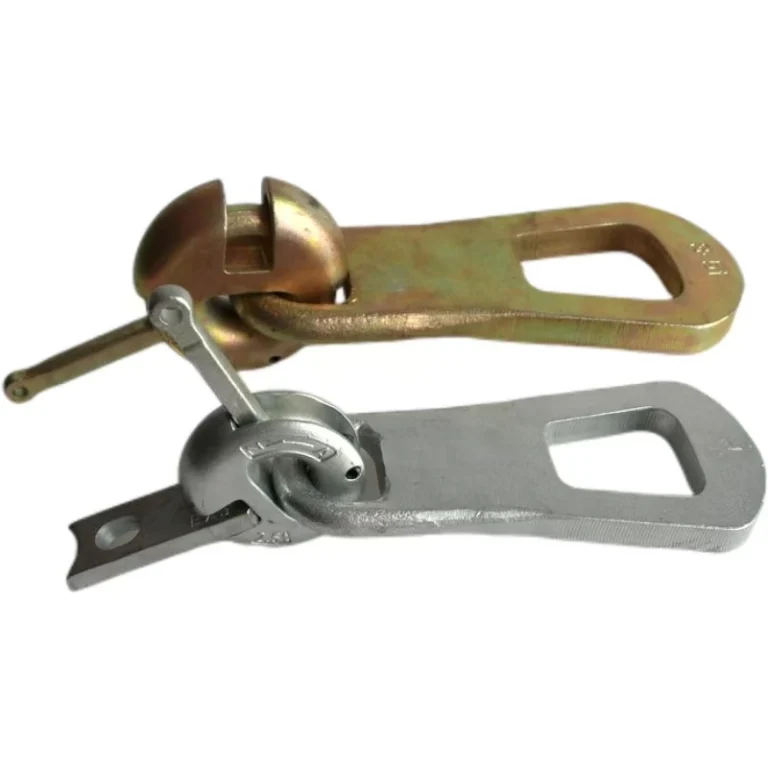
Each kind is built to connect well with lifting clutches. These are key for passing loads during hoisting.
Material Composition and Manufacturing Techniques
CE certified anchors usually use top quality steel mixes, such as carbon or stainless steel. These provide good pull strength and lasting power. Ways of making them, like careful forging or special casting, help keep sizes exact.
To make them last longer, especially in salty or harsh spots, coatings like galvanization or passivation get added. This stops rust and keeps lifting strong.
Safety Parameters in Anchor Selection and Use
Load Capacity Ratings and Safety Factors
Anchor load ratings come from several things:
| Anchor Type | Typical Load Range (kN) | Safety Factor (EN 1992) |
| Threaded Anchors | 12–100 | ≥3.0 |
| Erection Anchors | 10–75 | ≥3.0 |
| Plate Anchors | 5–50 | ≥3.0 |
Engineers have to think about concrete crush strength and how deep it’s set. Moving forces during lifting, like swinging or quick halts, can ramp up stress a lot. So, picking anchors with enough safety room is important.
Installation Guidelines for Secure Anchor Performance
Bad placement of metal anchors in the concrete mold can cause uneven load spread or even breaks under pull. Good ways include:
- Making sure there’s right space from edges to stop chipping.
- Giving enough concrete cover to cut down on cracks under weight.
- Using approved lifting clutches that fit the anchor kind and load group.
Teams at the precast shop should look at clear setup drawings from certified anchor makers.
Quality Assurance Measures for CE Certified Anchors
Testing Protocols and Certification Procedures
Before getting a CE mark, anchors face strict testing steps including:
- Tensile load testingto check that each anchor holds up under top rated stress.
- Non-destructive testing (NDT)ways like ultrasonic or magnetic checks to find hidden flaws.
- Thirdparty certification from approved groups to confirm they follow EN 1090 rules for structural steel.
These steps make sure every group meets tech specs before hitting job sites.
Compliance with Industry Standards and Regulations
CE certified lifting anchors must match many rules:
- EN 1992 (Eurocode 2) covers how concrete gets used in structures.
- ISO 9001 makes sure quality stays good through making stages.
- DoP papers let checkers trace work traits back to where they were made.
This setup of rules gives folks—from planners to checkers—a sure sense of the anchor’s strength.
Practical Considerations in Precast Site Operations
Typical Applications Across Construction Projects
Lifting anchors get put into almost every kind of precast part, such as:
- Structural elements: wall panels, beams, columns.
- Architectural units: stair flights, balcony slabs, façade cladding.
- Infrastructure: bridge segments, tunnel linings.
- Modular buildings: full rooms or pods that need fast crane setup.
In every spot, the proper concrete anchors make handling easier and safety better on site.
Criteria for Selecting the Right Anchor System for a Project
Main points to think about include:
- Shape: Odd forms might need special anchor setups.
- Weight and balance point: Key for steady lifting.
- Tool match: Anchor kind has to work with lifting clutch details on site.
- Surroundings: For instance, salty coast air might call for rustproof coats.
Skipping any point can put both time and safety at risk.
Strategic Benefits of Partnering with Reliable Anchor Suppliers
Advantages Offered by Manufacturers Like BaoQi
BaoQi focuses on CE certified lifting systems made for various building jobs. Their items include:
- Custom fixes based on exact part shapes.
- Own team help for best lift spot planning.
- A worldwide supply setup that brings dependability even with short deadlines.
Working with a smart supplier cuts buying mistakes and builds trust in tough project parts.
Additional Precast Accessories That Enhance Site Safety
Besides the metal anchors, some extras can raise safety levels:
- Recess formers make sure anchors go in just right during pouring.
- Reinforcement cages boost how loads move from anchor to nearby concrete.
- Edge protection systems often get added to precast units ahead to cut fall dangers during putting together.
These add ons make work flow smoother and drop risks on active sites.
FAQs
Q: What does CE certification mean for lifting anchors?
It means the anchor meets EU safety standards, ensuring verified performance and traceability.
Q: How do I choose the correct type of lifting anchor?
Consider the weight, shape, and lifting direction of your precast element along with site equipment compatibility.
Q: Can I reuse lifting clutches across different projects?
Yes, but only if they match the anchor type and are within their certified load class.
Q: What are common causes of anchor failure?
Improper installation, insufficient embedment depth, and using incompatible hardware.
Q: Are CE certified anchors required by law?
For projects within Europe or governed by EU codes like EN 1992, yes—they’re typically mandatory.