Foot anchors act as the unseen power in many precast concrete wall panels and lifting setups. They keep heavy parts steady during lifting, moving, and setting up. Knowing how these tiny yet key pieces work aids engineers in creating safer and better precast buildings.
The Engineering Concept Behind Foot Anchors
Understanding Foot Anchors in Precast Elements
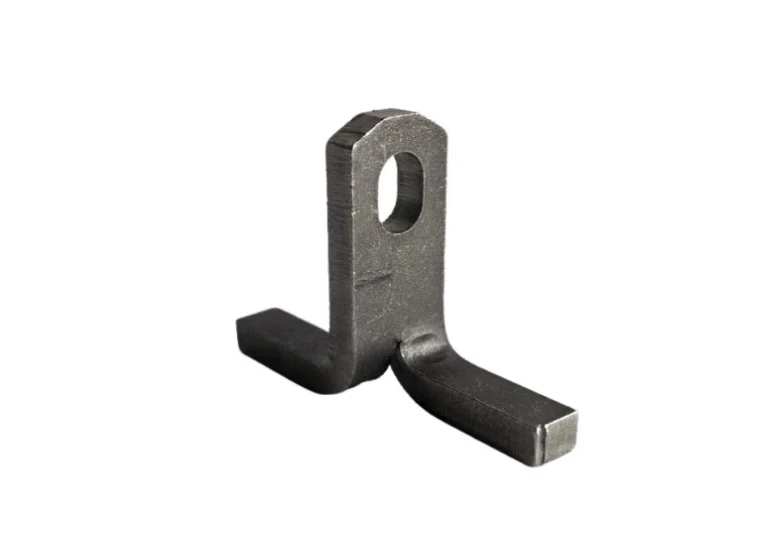
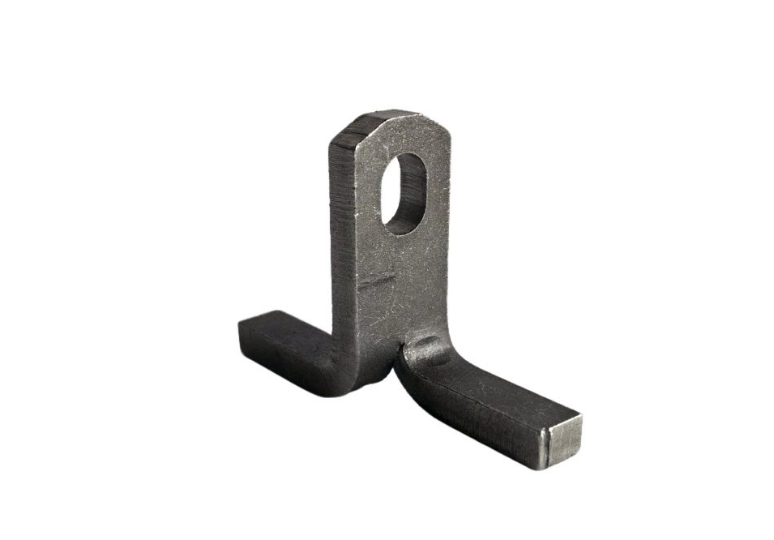
Foot anchors are built-in metal parts meant to move loads between precast concrete pieces and outside handling gear. In real use, they serve as the link for lifting clutches or rigging setups. This makes sure forces spread out evenly across the concrete bulk. Their chief job is to offer firm hold without leading to breaks or focused stress spots.
In building work, particularly with precast concrete wall panels, foot anchors hold a big role in keeping things stable during lifting and placing. They aid in spreading pulling and sliding forces into the nearby concrete. This stops breakdowns under big weights. Picking the right anchor kind and size makes sure safe handling all through the piece’s life—from factory making to final spot on site.
Load Transfer Mechanism Inside Concrete
The manner a foot anchor works with the concrete around it sets its total load handling and results.
Cone-Shaped Failure Principle
When a load hits a concrete anchor bolt or foot anchor, it makes a cone-like stress area in the concrete body. People know this as the cone-shaped failure principle. If the load goes beyond the pulling strength of the concrete, a cone part of material might break off from near the anchor head. Engineers apply this idea to figure out safe working loads and embedment depths.
The slant of this failure cone often falls between 30°–45°. It varies by the concrete’s pushing strength and reinforcement setup. A greater depth boosts the amount of concrete that fights pull-out forces. Thus, it betters steadiness.
Influence of Embedment Depth
Embedment depth right away changes how much load an anchor can take before it fails. Greater depth means more area for load passing. It cuts stress strength near the top. But if it’s too deep, setup gets tricky. It might also clash with reinforcement frames.
Key things that shape the best embedment depth include:
- Concrete strength class (e.g., C30/37 vs C50/60)
- Anchor geometry (head size, shaft length)
- Type of loading (pure tension vs combined tension-shear)
- Minimum edge distance and spacing between anchors
Engineers commonly use basic formulas or maker data sheets to pick safe embedment values for each job.
Performance in Thin-Walled Precast Elements
Today’s designs like slimmer wall parts for less weight and better use. This makes old anchors hard to fit.
Challenges with Thin-Walled Elements
Thin-walled precast pieces offer little room for full-depth hold. This raises chances of breakout breaks or splits during lifting jobs. The smaller thickness also means less hold for stress cones to grow fully.
Solutions to Enhance Performance
To beat these issues:
- Use custom short-foot anchors with fine-tuned shape.
- Add extra reinforcement near anchor spots.
- Put in high-strength grout or insert sleeves to spread loads more evenly.
These steps help get solid results even when the build thickness is tight.
Detailed Installation Process
Right setup makes sure each foot anchor works as planned.
Positioning Using the Recess Former
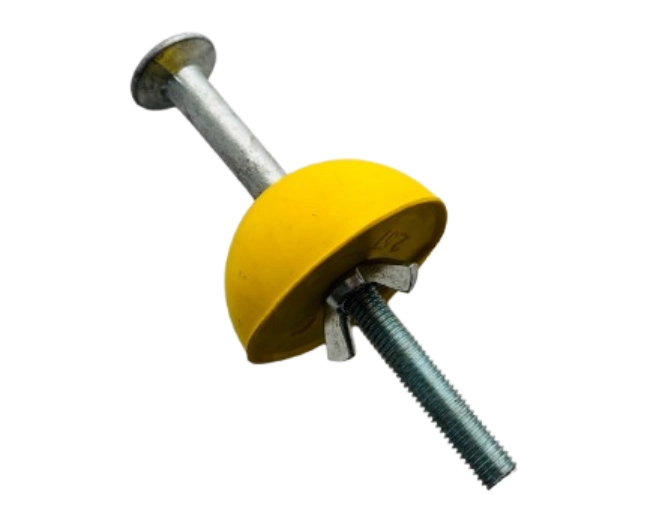
The recess former sets the spot for the foot anchor in the mold. It needs exact placement before pouring concrete. This keeps line with later lifting tools.
Concrete Pouring and Curing
Pour concrete with care around the anchor group to skip air gaps or mixing issues. Good shaking makes sure full covering of metal bits. After pouring, give enough curing time. This reaches design strength before any lifting starts.
Removal of the Recess Former
After curing ends, take out the recess former softly. Avoid harm to edges or shifting of built-in parts. Clean recess holes let easy linking later.
Coupling with the Lifting Clutch
In handling, a matching lifting clutch links firmly into the recess hole over the shown anchor head. Right fit makes sure loads pass through steel. They do not press straight on concrete faces.
Lifting Operation
Lifting must always stick to maker rules on angle limits and load levels. A slow first lift checks steadiness. Then full raising begins. This matters a lot with side pulls or mixed loads.
Behavior Under Various Load Conditions
Vertical Lifting
In straight-up pull, load spread stays even around the anchor line. It maxes capacity. At the same time, it cuts side stresses.
Diagonal Pull
When pull happens at a slant (say 15°–30°), some force turns into slide along with pull. This drops useful capacity. Unless design math accounts for it.
Combined Tension and Shear
Real jobs often mix straight pull and side slide at once. Like when tilting panels from flat casting beds to upright spots. Here, reinforcement plans near anchors get very important. They fight tricky stress routes.
Engineering Design Considerations
Selection Criteria
Picking good foot anchors relies on a few main points:
- Weight and shape of precast element
- Concrete grade
- Required lifting orientation
- Edge distances
- Reusability expectations for clutches
Designers should check match with rules like EN 1992-4 or ACI 318 Appendix D. This applies when picking built-in anchors in structural concrete.
Safety and Testing
Every group of anchors needs mechanical checks. Tensile pull-out tests are the most usual. They prove rated capacities fit theory guesses. Good records aid tracking across making batches.
System-Based Safety Advantages
Enhancing Safety with Foot Anchors
A matched setup with approved foot anchors, fitting recess formers, and checked lifting clutches gives steady action under all load types. This group method cuts worker mistakes during site work. It also keeps even safety buffers over many projects.
Why Manufacturing Quality Matters
Making accuracy right away sways how well an anchor does once set in hard concrete. Size exactness makes sure right fit between parts. Metal quality stops early wear under repeat uses. Surface finish fights rust during long stays on site or in storage areas.
BaoQi uses tough check steps at every making stage. From picking raw stuff through forging, cutting, heat work, and last tests. This promises trust in its line of strong hardware systems for building and machine fields.
About BaoQi
BaoQi is a professional manufacturer specializing in forged, casted, and stamped industrial metal components used across construction lifting systems and mechanical assemblies worldwide. Its product portfolio includes high-performance foot anchors designed for modern precast applications requiring both safety assurance and operational efficiency.
FAQs
Q: What are foot anchors used for?
They’re used to lift and secure precast elements like concrete wall panels safely during transport and installation.
Q: How deep should a foot anchor be embedded?
Depth depends on load requirements but generally follows manufacturer recommendations based on cone failure theory calculations.
Q: Can foot anchors be reused?
The embedded part stays permanent; only detachable lifting clutches are reused multiple times if inspected regularly.
Q: Are special tools needed for installation?
Only standard mold accessories such as recess formers are required—no specialized machinery beyond normal casting tools.