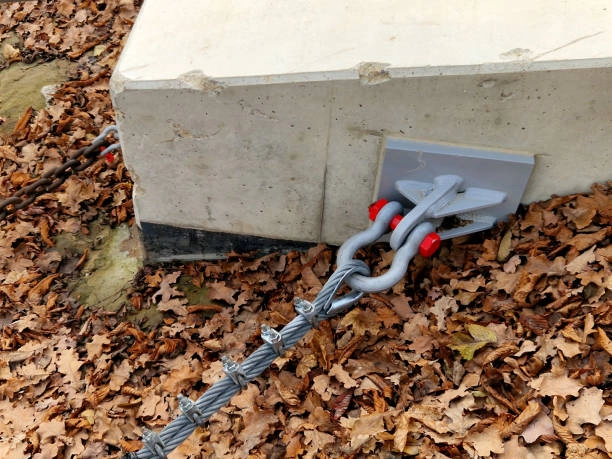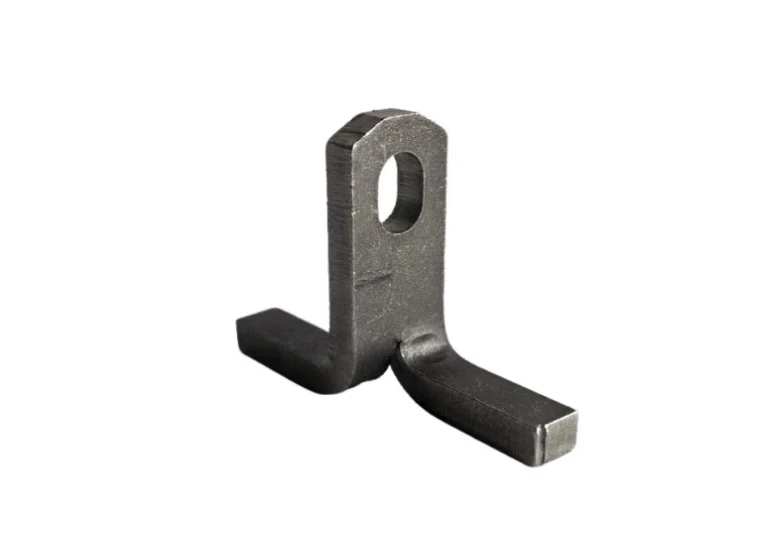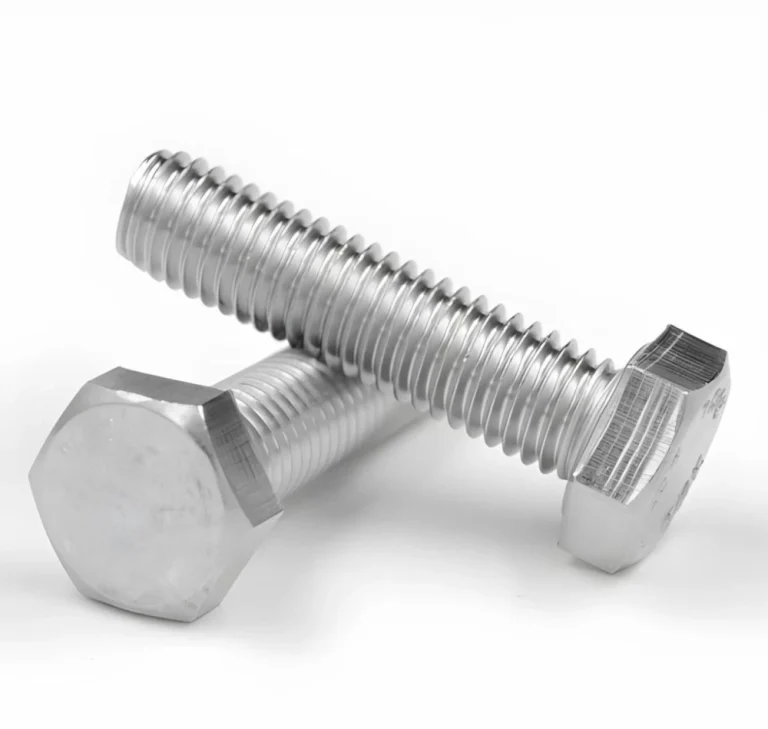
When working with precast concrete, picking the right anchoring system can make a project work well or fail in terms of speed and safety. Cast-in loops and lifting loops might look alike, but their work, setup, and use differ a lot. Knowing these differences helps engineers and builders pick the best choice for their building needs.
Understanding Cast-In Loops
Cast-in loops are built-in steel parts made to give safe holding spots inside precast concrete pieces. They act as key links between building parts or as lift points during moving. When concrete hardens around them, the loop joins the structure. It passes loads safely to the support network.
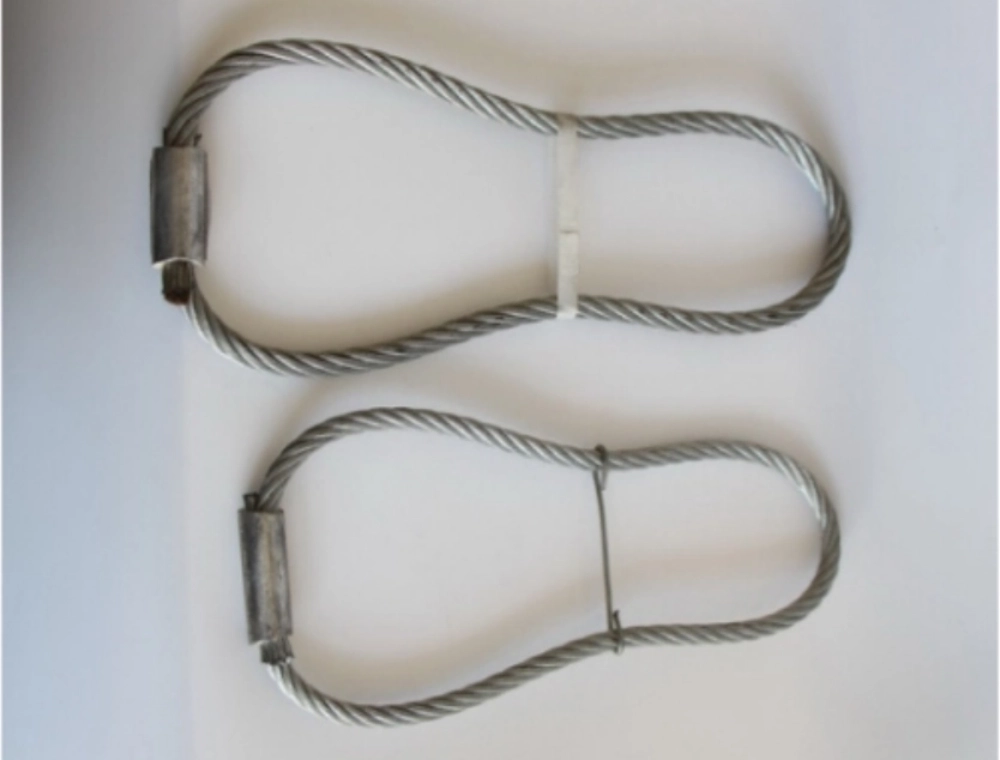
Materials and Construction
Usually, cast-in loops come from strong steel wire or rebar to last under pull. Stainless steel types work in harsh spots. The building process means bending steel into loop forms before putting them in molds ahead of pouring concrete. The steel plate anchor thickness is figured out based on load needs to stop bending or sliding.
Installation Process
Setting up cast-in loops takes some exact steps:
- Placing the loop in the form at set spots.
- Fixing it to support bars with tie wires.
- Pouring concrete and making sure it covers everything without gaps.
- Waiting enough time for curing before adding weight.
Main things to think about include keeping the right position. Also, ensure no air holes form around the loop. That could make its hold on the concrete weaker.
Advantages of Cast-In Loops
The top plus is how they blend right into precast pieces. Once set, they give lasting hold spots that can deal with both steady and changing loads. They’re great where long-lasting building links are needed, like wall-to-floor joins or base columns.
Applications of Cast-In Loops
Cast-in loops get used a bunch in factory buildings, bridge parts, holding walls, and tunnel covers. In jobs needing repeat lifts or link spots, they help make putting together easier while keeping the structure strong.
Limitations of Cast-In Loops
Since they stay stuck in place, cast-in loops can’t get changed after setup. Wrong position during pouring can cause expensive fixes. They also need good planning because taking out or moving them isn’t possible once concrete sets.
Understanding Lifting Loops
Lifting loops are short-term holding tools used for raising precast pieces during making, shipping, and setting up. They work by offering a safe spot for hooks or links to grab when lifting heavy panels or beams without risk.
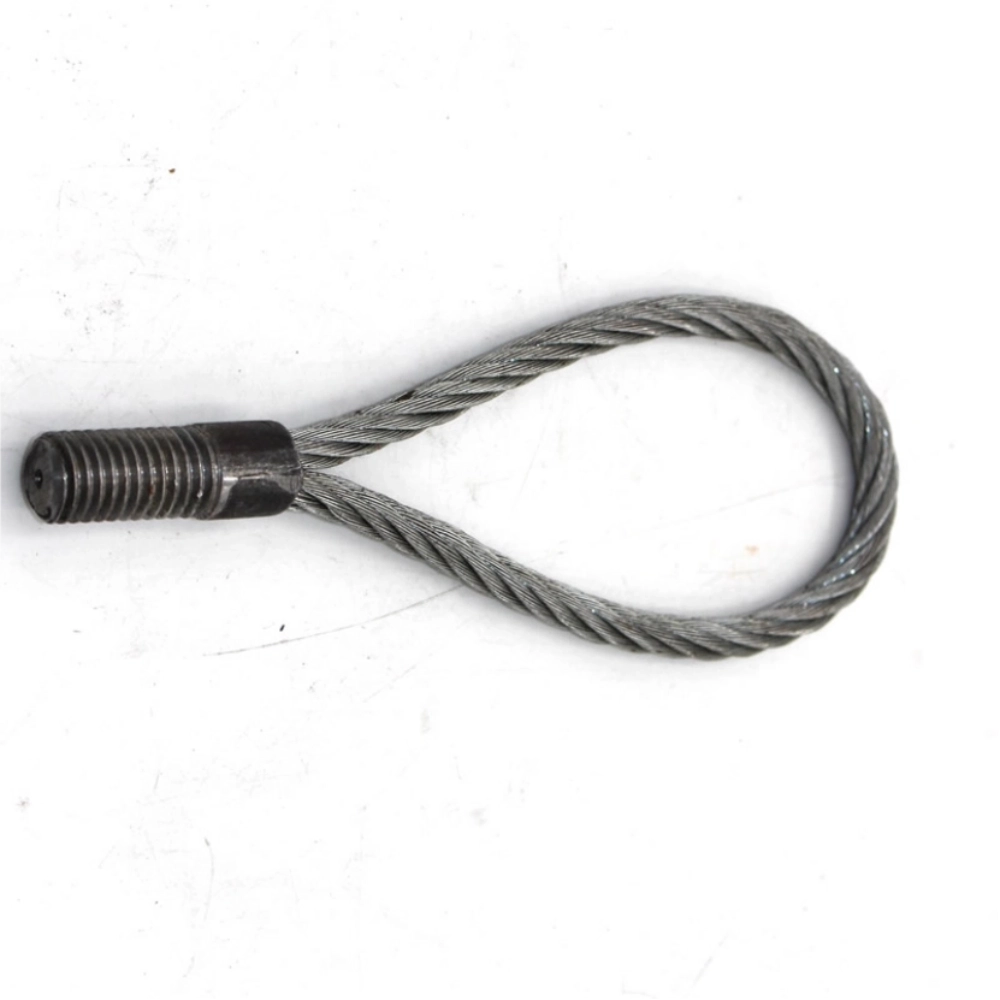
Materials and Specifications
Lifting loops are often made from tough steel wire rope or shaped bar stock with a threaded end that links to an inside anchor insert. That’s often called an eye bolt concrete anchor system. The stuff must match strict rules for pull strength, bendability, and wear resistance per global standards like EN 1992-1-1.
Installation and Handling
The setup process means screwing or pouring the lifting loop into planned inserts inside the precast piece before it hardens. During use:
- Always check load limits.
- Look for bends or rust.
- Use right links rated for anchors for concrete applications.
Safety relies on correct direction. Pulling at a slant can cut capacity a lot.
Advantages of Lifting Loops
Their main plus is how flexible they are. You can take them off after use. Then reuse them for many lifts. And swap them out easy if broken. They make moving things simpler during shipping and cut down on trash compared to fixed systems like cast-in loops.
Applications of Lifting Loops
They’re common in panel building setups, stair sets, front panels, and utility boxes. Basically anywhere you need short-term but sturdy lift spots on the job site.
Limitations of Lifting Loops
Even with their handy side, lifting loops need close checks before each use because damage or rust can make them unsafe. Plus, they’re not good as lasting anchors due to possible wear from repeat loads.
Cast-In Loops vs. Lifting Loops: A Side-by-Side Comparison
| Feature | Cast-In Loop | Lifting Loop |
| Purpose | Permanent anchorage | Temporary lifting |
| Material | Rebar or solid steel | Wire rope or forged bar |
| Reusability | Non-reusable | Reusable |
| Installation Time | During casting | Before lifting |
| Adjustment After Curing | Not possible | Possible (removable) |
| Common Use | Structural connection | Handling & transport |
The pick depends on if lasting hold or easy change is more key to the job’s aims.
Hybrid Anchoring Solutions
Some tricky buildings gain from mixed systems that join both cast-in and lifting roles. For example, using cast-in plates with removable lift eyes. This lets simple handling during making while keeping strong building work after setup.
Benefits of Hybrid Systems
Mixed options boost work flow speed by cutting down on separate anchor setups. And they keep high safety levels under different load setups.
Choosing the Right Anchoring System
Picking between cast-in loops and lifting loops rests on a few things:
- Kind of load (lasting vs short-term)
- Needed load power
- Outside exposure (rust risk)
- Setup limits
Engineers should check each job’s plan goal instead of just going with one system over the other. Every precast piece acts different under pressure. So matching anchor type with expected load way and size makes sure top work through its use time.
Why Choose BaoQi
BaoQi—a manufacturer specializing in forged metal parts—produces both cast-in loops and lifting loops tailored for construction applications worldwide. Their expertise in heavy-duty hardware systems ensures consistency across batches while meeting industry standards for tensile strength and dimensional accuracy.
As a supplier deeply involved in building component manufacturing, BaoQi also offers custom-engineered solutions when standard anchors don’t meet unique design challenges—a practical advantage for complex architectural projects requiring precision anchorage systems.
FAQs
Q: What is the main difference between cast-in loops and lifting loops?
Cast-in loops are permanent anchors embedded within concrete; lifting loops are temporary devices used only during handling operations.
Q: Can lifting loops be reused?
Yes, most lifting loops can be reused if inspected regularly for damage or corrosion before each lift.
Q: Are cast-in loops suitable for dynamic loads?
Yes, when properly designed with adequate reinforcement detailing, they handle both static and dynamic forces effectively.
Q: How do I choose between different anchor types?
Evaluate whether your application requires permanent fixation (cast-in) or temporary handling (lifting), along with environmental conditions like moisture exposure.