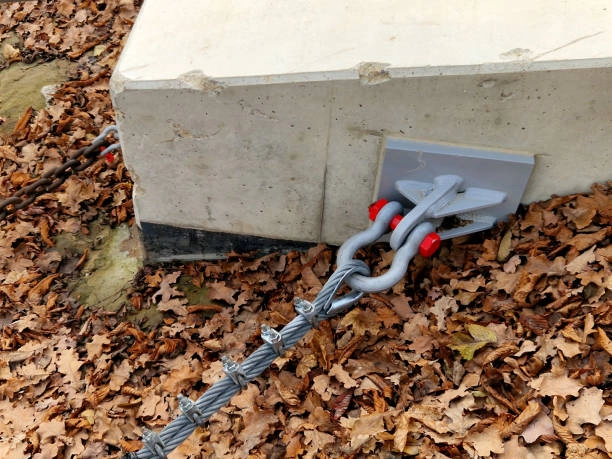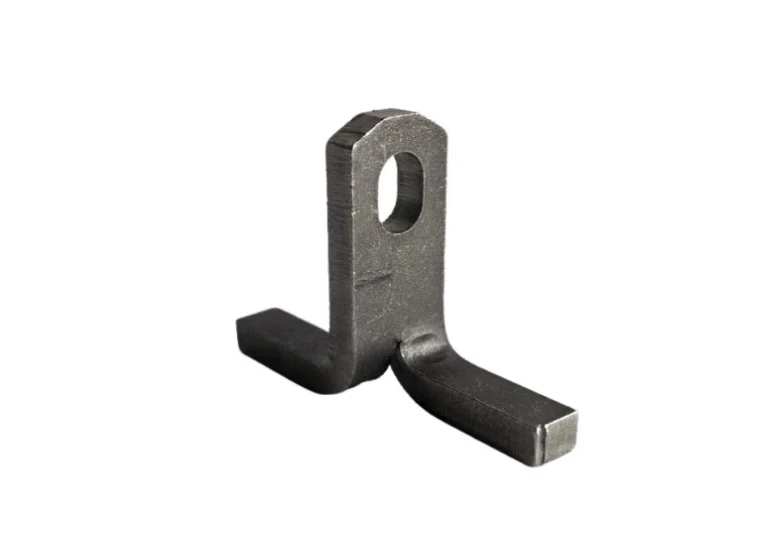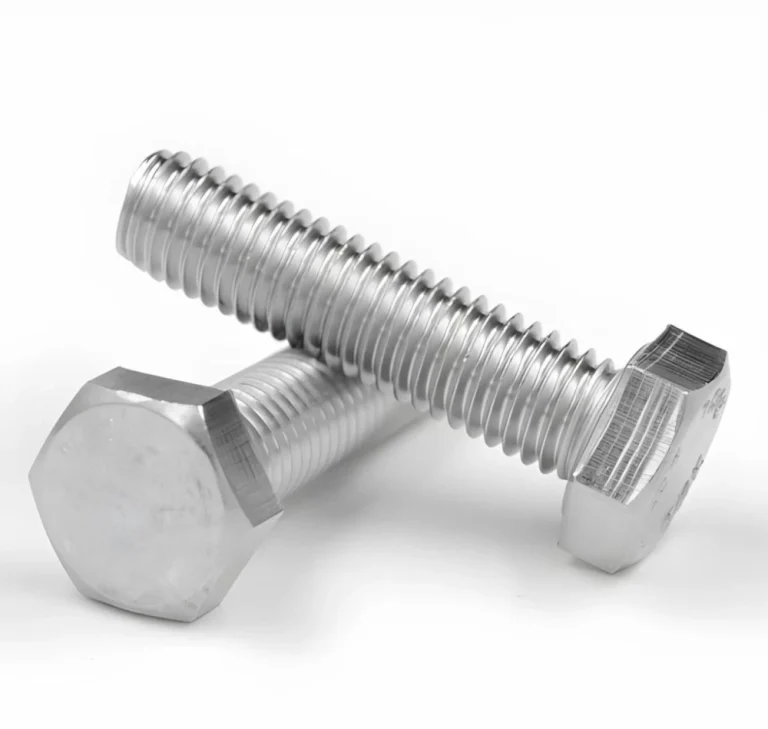
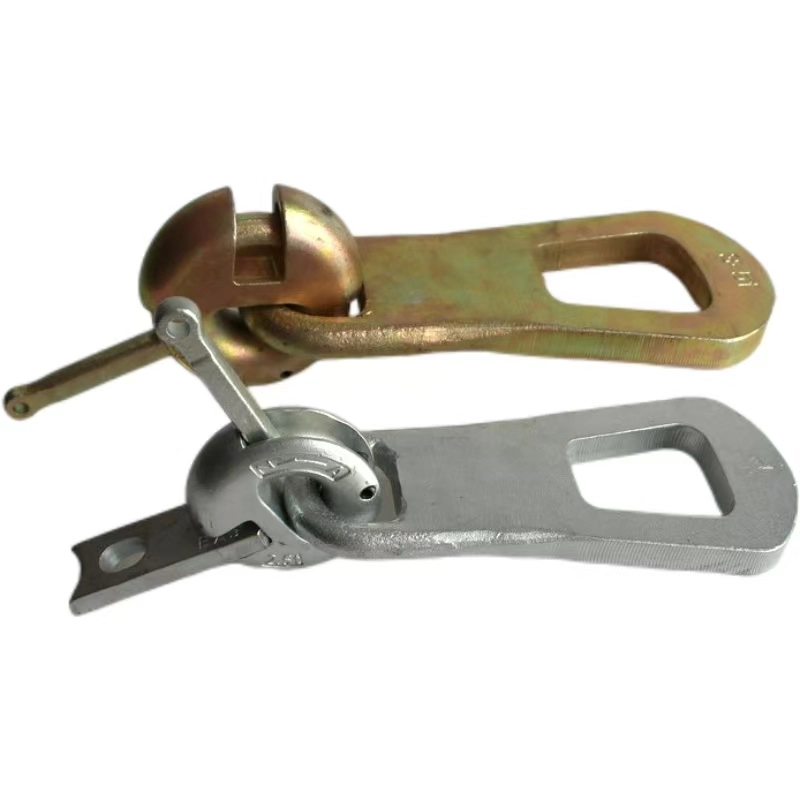
In precast concrete work, lifting ring clutches fix one of the biggest problems: how to shift heavy concrete parts safely and quickly. These special lifting tools link up smoothly with built in anchor setups in concrete pieces. They allow exact handling without harming the structure’s strength. Their tough build, built in safety bits, and fit with standard systems make them key for today’s building jobs.
Lifting Ring Clutches in Precast Construction
Role of Lifting Ring Clutches in Concrete Handling
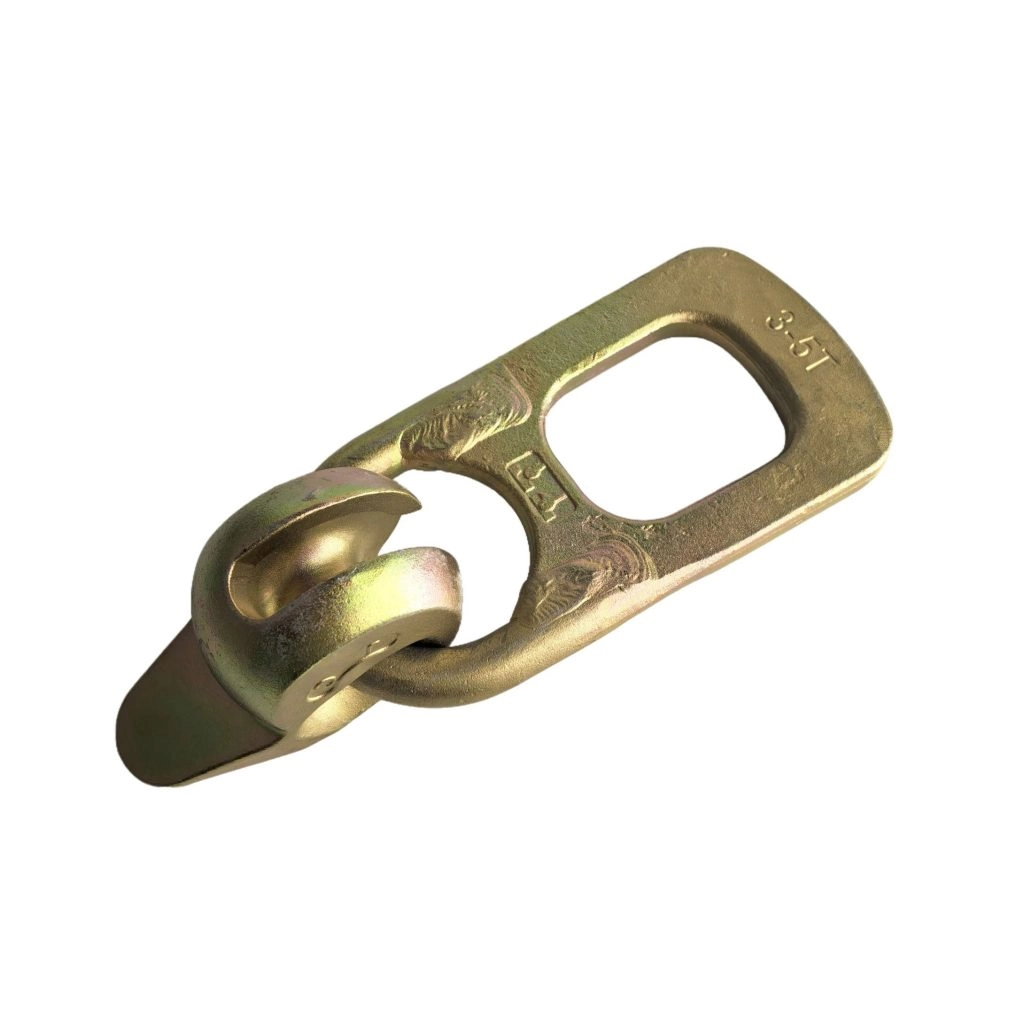
Lifting ring clutches get made to help with the safe and quick lifting of precast concrete parts. They connect straight to cast in concrete anchor bolts stuck in the part during making. This link makes sure the load moves securely from the lifting gear to the concrete setup. It cuts down the chance of trouble during hoisting.
They let you connect and let go fast. This boosts work speed on site. Even better, they lower risks from handling by hand. Crews can stay at safer spots during lifts. This helps a lot with tricky or big parts like bridge beams, wall panels, or staircases.
Key Components and Their Functions
- Shackle: Links the lifting hook to the clutch body. It needs to turn freely to handle angle changes during lifts.
- Locking Bolt: Plays a big part in keeping the clutch fixed to the built in anchor. You need a firm lock before adding any weight.
- Clutch Head: This bit grabs the anchor head in the concrete. It has to be exact in size for steady grip and load shift.
Structural Design and Performance Features
Engineering Design Parameters
Each lifting clutch has a load rating based on strict rules like EN 1992 or ASTM guides. Most types get checked for repeat use in tough spots without losing strength. Labels on each one usually show the load limit, serial number, and check status.
Heat Treatment Processes for Durability
To make them last longer and stay reliable under repeat loads, the main steel parts go through set heat treatment steps. This boosts pull strength and fights wear from use. It also gives even hardness in high stress spots.
Surface Finishing Techniques
Protection from rust is important, mainly in outside or sea settings. Coatings like zinc plating or powder coating get added for better toughness. Colors often help teams spot load levels or types fast by sight.
Safety Guidelines and Maintenance Protocols
Proper Use and Handling Procedures
Before you lift, line up the clutch right with the anchor head. The lock should grab fully. You might hear a click or see a sign that it’s set. Never add weight unless it’s locked in.
Lifts have to go straight up to skip side pulls or twists that go over limits. Don’t drag or turn while raising. Those moves can bring in risky sudden forces.
Inspection Criteria for Critical Components
Regular checks are a must:
- Shackle: Hunt for bends, stretched holes, cracks on the surface, or any wear marks.
- Locking Bolt: Make sure it locks tight and has no rust or hurt threads.
- Clutch Head: Look at touch areas for marks, rust, or size wear that could mess with the grip.

Packaging Standards and Pre use Inspection Procedures
Packaging Methods to Preserve Quality During Transport
Clutches usually ship in boxes with foam inside or hard plastic cases to stop bumps in shipping. Each box should have clear tags showing load limit, part number, and last check date.
Visual and Dimensional Checks Before Deployment
Before use on site, check that the clutch fits the anchor setup. Make sure all safety marks are there and easy to read. Measure sizes if you think there’s wear or a making mistake.
Application Scenarios and Common Misuse Cases
Operational Workflow in Precast Lifting Tasks
Concrete lifting goes in a basic order:
- Engaging: Line up the clutch with the anchor head until you see or hear it’s secure.
- Lifting: Add straight up load with right rated hooks. Skip side pulls.
- Releasing: Only unlock the clutch when the part sits safe on ground or a firm spot.
Examples of Improper Usage That Compromise Safety
- Using hurt clutches or wrong matches with anchors that don’t fit
- Adding side loads or sudden jerks in lifts
- Skipping lock fails or wear signs before starting
These habits not only shorten tool life but can lead to bad breaks on site.
Quality Control Measures in Manufacturing Process
Non destructive Testing Protocols
Every unit gets full flux crack testing. That’s a standard way to find surface flaws you can’t see.
Mechanical Strength Verification
Pull tests happen often to prove units hit their load limit without bending or breaking.
Dimensional Accuracy Assurance
Exact tools check each key size of the clutch head and bolt spots to make sure they fit standard anchors.
Advantages of Choosing BaoQi as a Supplier
Timely Delivery Commitments Across Projects Sizes
Smooth shipping keeps the supply steady. This helps builders dodge delays from missing parts that cost money.
Integrated Quality Management System
It follows making from raw stuff to final check. This gives full tracking for each part sent out.
Transparent Manufacturing Workflow
Clients can get updates right away on making progress. This builds trust in times and batch goodness.
Dedicated Technical Support Team
Gives help on picking products, how to use them, and fixing issues. It aids engineers and workers in the field.
Additional Accessories in Precast Concrete Systems Worth Exploring
To finish your lifting setup:
- Concrete Anchor Bolts: Give solid bury options; make sure they match chosen clutch types.
- Lifting Hooks: Come in different shapes for walls, slabs, staircases, or custom precast shapes; pair them right with shackles for safe lifts.
Partnering With BaoQi for Long Term Success
BaoQi backs building partners with bendy business ways:
- Custom fixes for special project shapes
- Growing making power for small homes to big builds
- Focus on quality checks from start to end brings calm in every lift
FAQ
Q1: Can I reuse lifting ring clutches across different projects?
Yes, but only if they pass all inspection criteria before each use.
Q2: How do I know if my clutch is compatible with my anchor bolt?
Check dimensions and model specifications—never force fit incompatible parts.
Q3: What happens if I lift at an angle instead of vertically?
You risk exceeding design limits—always lift vertically unless the system is rated for angles.
Q4: How often should clutches be inspected?
Before every use; thorough inspections should occur periodically based on frequency of use.
Q5: Does BaoQi provide custom lifting solutions?
Yes—BaoQi offers tailored solutions based on your project’s geometry and load requirements.