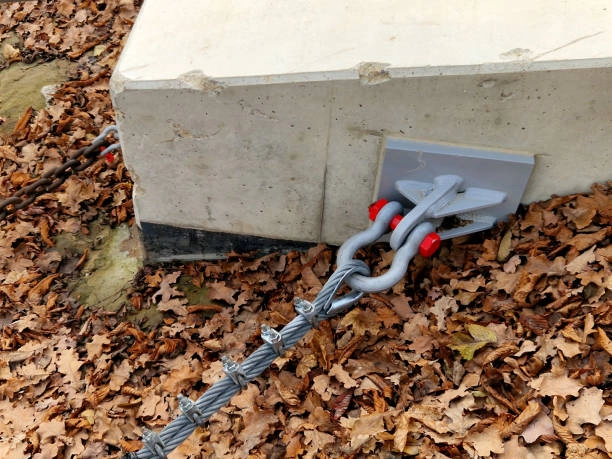
Lifting sockets play an important role in keeping things safe and quick when dealing with precast concrete parts. Whether you move precast concrete steps, wall panels, or beams, these items make lifting and setting much easier. Without good lifting setups, the chance of harm to structures, accidents on site, and hold-ups in projects would rise a lot.
Lifting Sockets in Precast Concrete
Role of Lifting Sockets in Precast Component Handling
Lifting sockets are key tools made to make lifting and setting up precast concrete parts simple and secure. Their main job is to help with safe and quick lifting. They make sure heavy concrete items can be moved without putting workers at risk or hurting the material.
They cut down on hand work a bunch. Workers use built-in sockets in the concrete to lift parts with cranes or hoists, instead of straps or quick fixes. This speeds up the building schedule. And it makes setups more steady too.
Also, lifting sockets guard the strength of precast parts during moves. These parts are often made to order and heavy, like precast concrete steps. So bad handling could cause breaks or flops. Lifting sockets spread out the weight forces evenly. This stops stress from building up in weak spots.
Common Applications in Precast Concrete Structures
Lifting sockets get used a lot in different kinds of precast concrete builds:
- Precast stairs and landings
- Wall panels (both load-bearing and non-load-bearing)
- Columns and beams
- Slabs or hollow-core planks
They handle both up-and-down and side-to-side lifting jobs. They adjust to various shapes and needs. This makes them handy for small design panels to big building parts.
You can adjust their setup based on weight needs. For example, lifting a 2-ton column calls for a different socket type than a fancy wall panel.
Classification of Lifting Sockets Based on Design
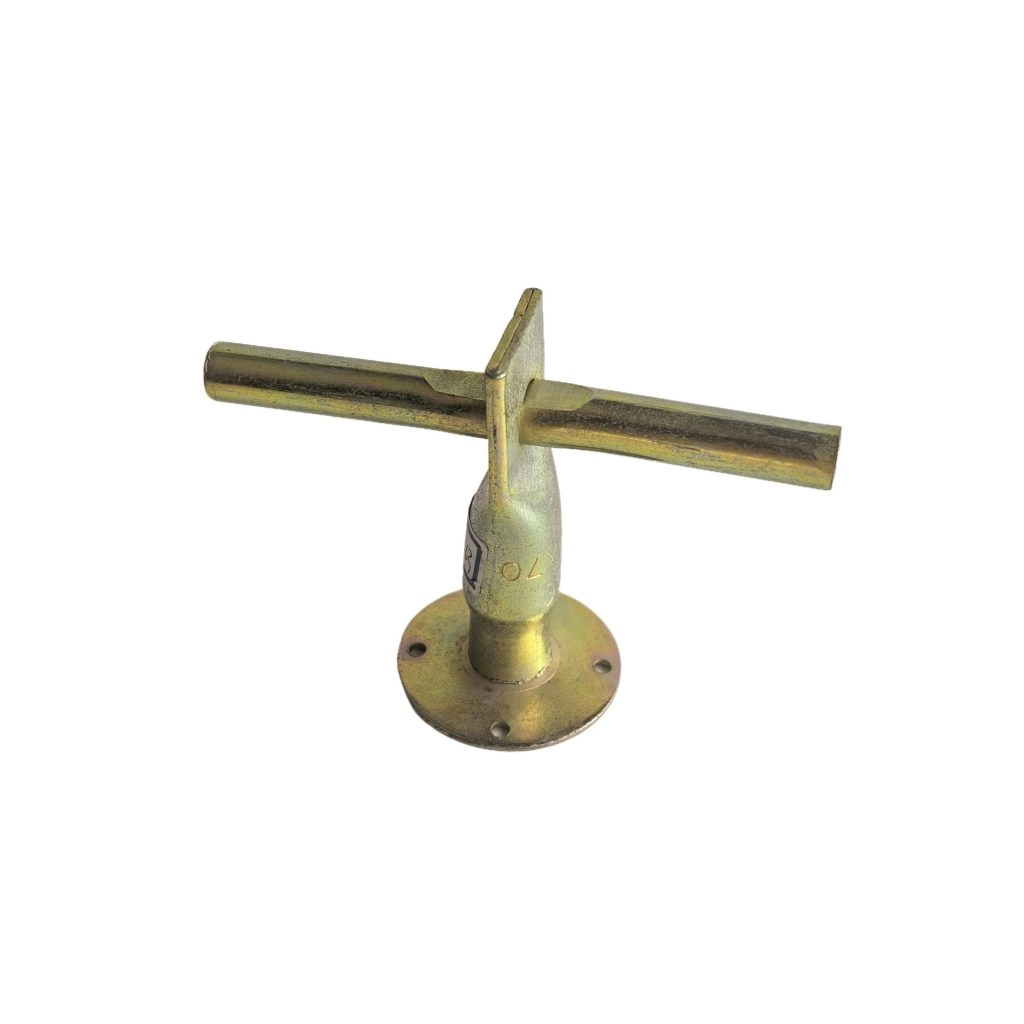
Tubular Lifting Sockets
These are some of the most common for medium to heavy lifting work. Tubular lifting sockets go into the concrete with rebar or anchor plates for extra hold.
Their tube shape gives good inside threads for hooking eye bolts or lifting clutches. Builders often pick them for big slabs or wall panels because they can take on heavy weights. And they keep things straight during setup.
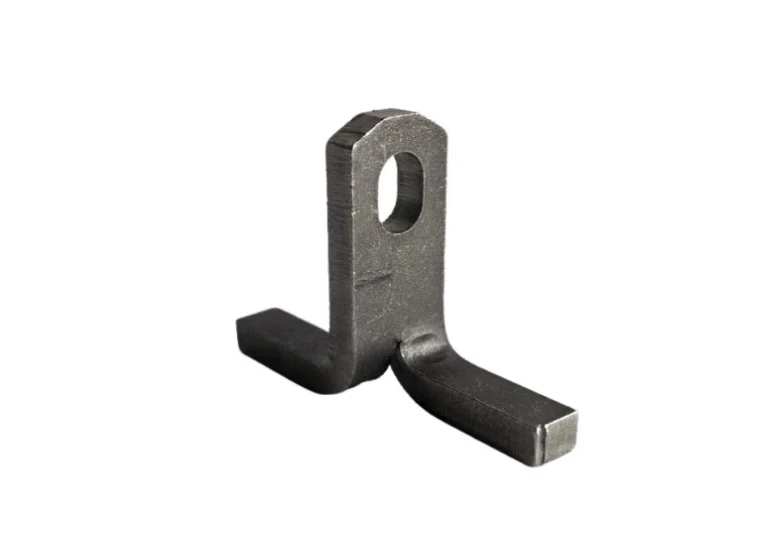
Flat Plate Lifting Sockets
These work well for shallow or thin concrete items. Flat plate sockets sit even with the surface, so they don’t mess up the look much. Their flat shape makes them useful in design work where the finish counts.
They show up often in front panels where bumps aren’t okay. Even with their slim build, they hold enough power for medium weights, as long as you place them right when pouring.
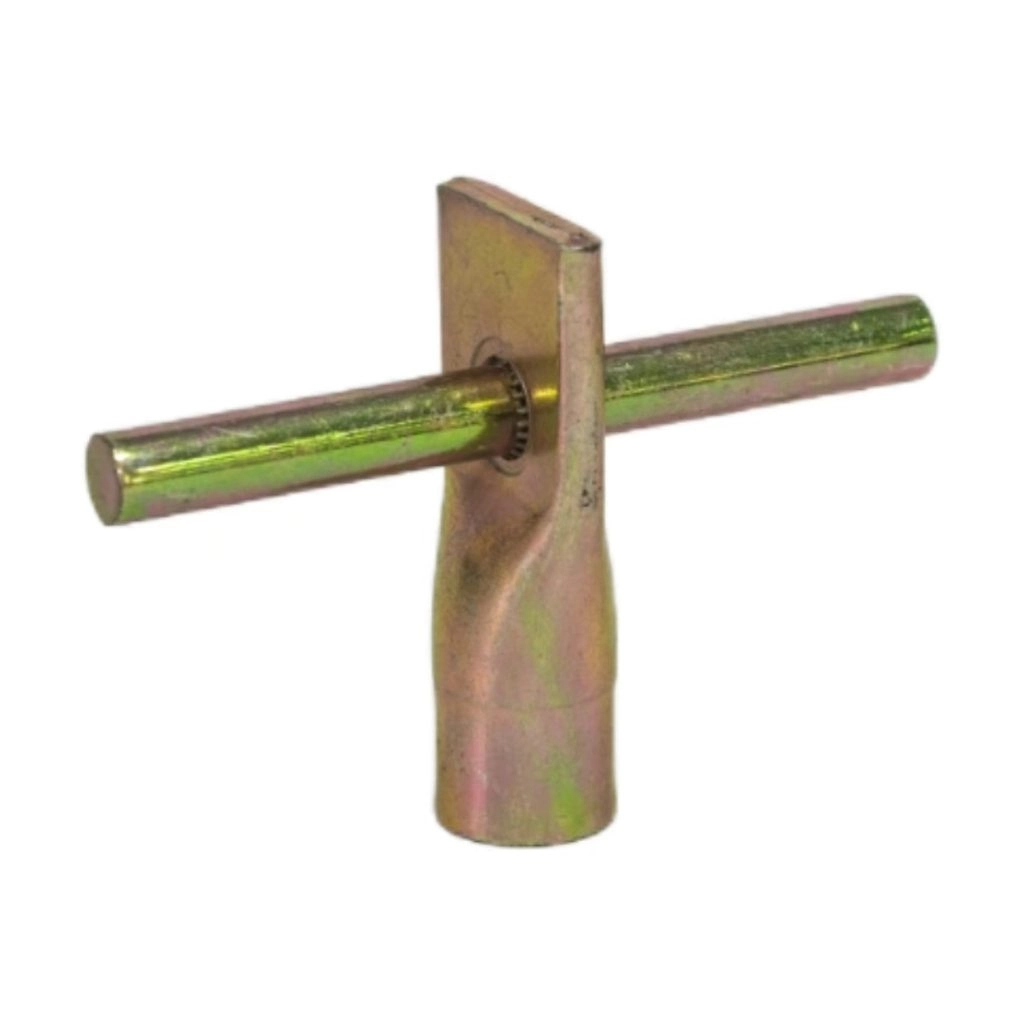
Solid Rod Lifting Sockets
These are built for jobs with high weights. Solid rod lifting sockets are small but very tough. They give high pull strength and fight bending under big stress.
Their strong build fits structural parts like columns or beams, where focused forces come up. They also do fine in tight mold setups where room is short.
Manufacturing Process and Quality Assurance Measures
Material Selection for Performance and Durability
The first move in making trusty lifting sockets is picking the right stuff. High-grade carbon steel gets used a lot for its strength traits. But stainless steel might get chosen when fighting rust is key, like in sea spots or open setups.
The pick depends on what the job needs. Short-term setups could use carbon steel with coatings. Long-term ones often need stainless steel for lasting work.
Key Production Techniques for Structural Integrity
Hot Forging Techniques:
Hot forging boosts the tightness and evenness of metal parts. It lines up the steel’s grain to match the socket’s form. This ups both power and hardness. It’s real important for handling lift forces that might cause breaks if weak areas are there.
Quenching and Tempering Treatments:
After forging, lifting sockets go through heat steps like quenching, which is fast cooling, and tempering, which is careful reheating. These steps improve wear resistance, toughness, and weight-holding ability. Such traits are vital for parts facing changing forces.
Surface Galvanizing Methods:
Galvanization shields sockets from rust due to water or chemicals. Zinc layers or hot-dip galvanizing are usual ways that stretch out product life. They cut down on fix needs too, which matters when putting in concrete anchors outside.
Quality Control Procedures to Ensure Safety Standards
Tensile Load Testing Protocols:
Every group of lifting sockets should get tested to check they meet their top working load (MWL). This makes sure sockets won’t break under normal site conditions.
Surface Defect Inspection Methods:
Eye checks and fancy ways like magnetic particle testing spot cracks, holes, or bits that could weaken the socket in use.
Fatigue Resistance Evaluation Tests:
Many precast parts get lifted more than once, during pouring, moving, and setting. So fatigue tests copy repeated weights to confirm lasting strength.
Best Practices for Construction Site Usage of Lifting Sockets
Proper Installation Techniques During Casting Phase
Right placement during pouring is a must. Wrong depth or direction can lead to socket pull-out or cracks when lifting. Tools like jigs and magnetic molds can boost accuracy.
Anchorage has to fit design rules, usually with crossbars or tie reinforcements. This stops the socket from moving in the hard concrete.
Safe Handling Procedures During Lifting Operations
Sockets need to match with fitting eye bolts or lifting clutches made for that thread kind. Load angles should stay in safe limits. Pulling at bad angles can cause socket breaks or harm to the concrete item.
Workers must stick to clear load guides and never go over rated limits. Good signs and training on site lower mistakes from people during lifts.
Advantages of Using BaoQi’s Lifting Socket Systems
Advanced Manufacturing Capabilities Ensuring Reliability
BaoQi mixes precise forging tools and auto check systems to give steady quality in every socket. Their team works straight with clients to build custom socket fixes that fit exact job wants.
Comprehensive Service from Design to Delivery
They give tech advice on picking sockets based on job needs. So builders don’t have to guess what works best. BaoQi also has quick making runs backed by world shipping nets. This helps jobs keep on time.
Competitive Value Without Compromising Quality
BaoQi gets cost savings through smart making flows. Long use life cuts down on swaps and fix costs, making it a wise pick over time.
Additional Accessories Related to Precast Concrete Installation
Commonly Paired Products with Lifting Sockets
Lifting sockets hardly work by themselves. Items like threaded concrete anchors, rebar connectors, and magnetic formwork systems often team up to make setup smooth and safer.
These extra products boost site speed by cutting setup time. They improve exactness during placing too, which is handy in tricky builds like stair cores or column setups.
Partnership Opportunities with BaoQi
Business Collaboration Models Available
BaoQi backs OEM/ODM services shaped to builder and seller specs. For those wanting steady supply over time, BaoQi gives deal setups that lock in stock access through job runs.
FAQs
Q: Can lifting sockets be reused after installation?
No, most are single-use due to embedded anchorage and safety requirements.
Q: Are all lifting sockets suitable for outdoor use?
Not necessarily; choose stainless steel or galvanized versions for corrosion-prone environments.
Q: What’s the difference between tubular and solid rod sockets?
Tubular sockets are ideal for medium loads; solid rods are stronger and more compact for high-load tasks.
Q: Do I need rebar anchorage with every socket?
Yes, proper anchorage ensures load transfer into the concrete mass without slippage.
Q: How soon can BaoQi deliver customized lifting sockets?
With fast production cycles and global logistics support, delivery times are optimized based on order volume and complexity.