When picking between lifting eye bolts and swivel hoist rings, it all depends on how the load shifts. If you lift straight up with small changes, eye bolts work fine and do the job. But if the load has to turn or change path while lifting, swivel hoist rings give the protection and options needed for the task. Figuring out when to pick each can mean the gap between a good lift and a risky one.
Overview of Eye Bolts and Swivel Hoist Rings
Key Differences Between Eye Bolts and Swivel Hoist Rings
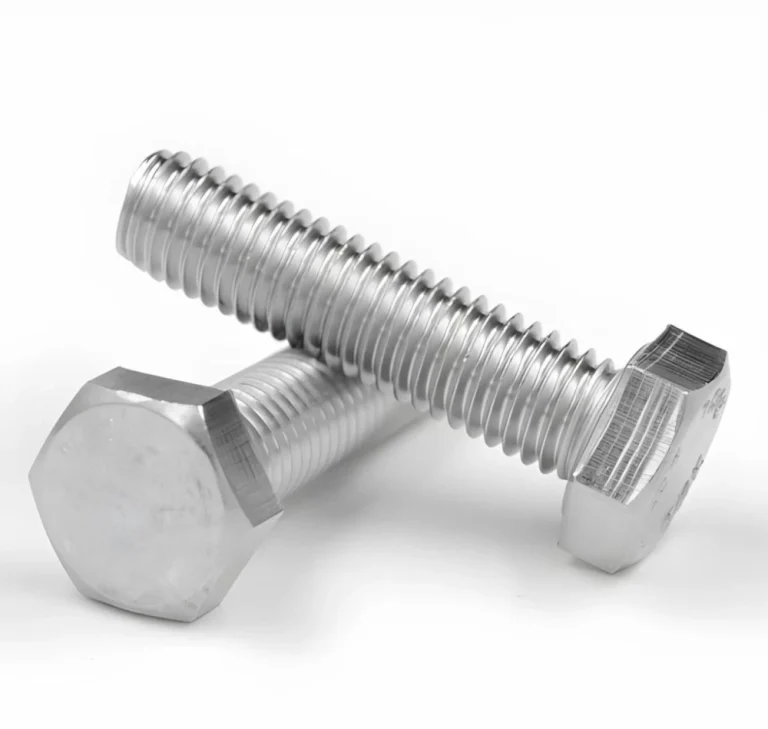
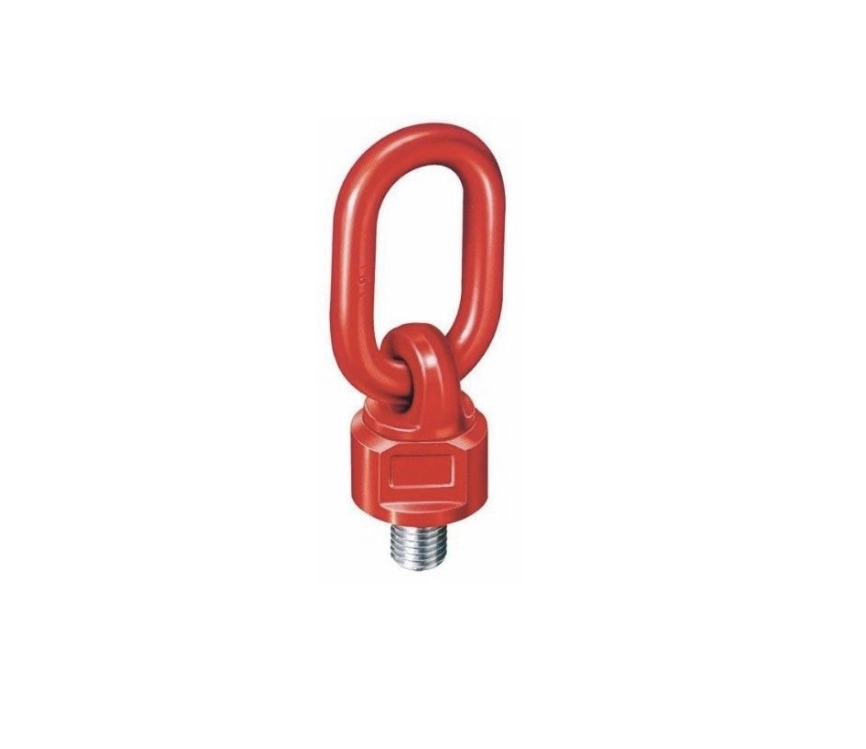
Eye bolts are simple threaded pieces with a loop top used as spots for rigging or lifting. Their setup stays put, so they do not shift once set. Swivel hoist rings, however, come with built-in parts that let them turn full circle and swing halfway under weight.
The fixed style of an eye bolt keeps it to upright loads. When it faces slanted or side pulls, its strength rating falls a lot. Swivel hoist rings, though, keep their load rating even with pulls at an angle. This makes them better for active jobs.
For lasting strength against wear, swivel hoist rings beat eye bolts. They line up with the load path on their own. And they cut down on stress spots.
Situations Where Each is Preferred
Use eye bolts when:
- Lifting is strictly vertical
- Loads are light to moderate
- Rigging setup is simple
Use swivel hoist rings when:
- The load might shift during the lift
- There’s a need for side pulls or rotation
- Operating in tight spaces or during assembly work
Surroundings count too. In harsh or sea settings, picking the right coating matters. Eye bolts from stainless steel or coated types can fight rust. But swivel hoist rings often have closed parts and treated covers for better toughness.
Fields like building, making goods, and power use both based on the job. Yet swivel hoist rings get picked more in areas that need exact work and safety.
Eye Bolts: Design, Types, and Applications
Common Applications of Lifting Eye Bolts
Lifting eye bolts show up often in:
- Machinery installation for anchoring heavy components
- Construction lifts where vertical hoisting is predictable
- Marine rigging where equipment needs a fixed tie-down point
They’re also used in industrial settings as temporary lifting points or part of a permanent rigging system.
Types of Eye Bolts Used in Rigging
There are several eye bolt variants:
- Plain or shoulderless eye bolts: for straight vertical pulls only
- Shoulder eye bolts: for angular loads but with reduced capacity
- Swivel eye bolts: a hybrid that can rotate partially but still lacks full flexibility
Materials include carbon steel, stainless steel, and alloy steel. For corrosion-prone environments, stainless options are preferred.
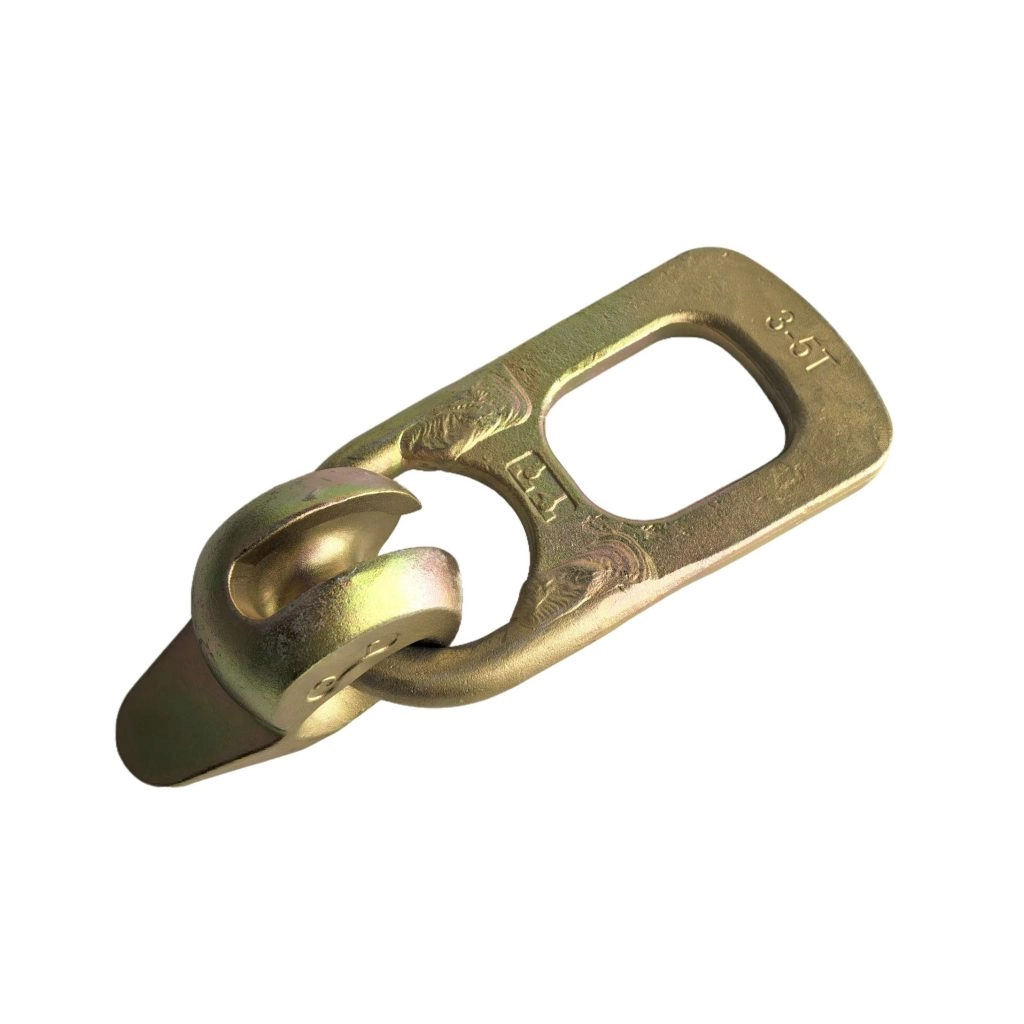
Advantages of Using Eye Bolts
- Easy to install with basic threading into a tapped hole
- Affordable compared to more complex hardware
- Available in numerous thread sizes and materials for different applications
That said, their cost-effectiveness makes them ideal for one-directional lifts with minimal risk factors.
Limitations Associated with Eye Bolts
However, eye bolts have clear limitations:
- They don’t handle angular pulls well unless specifically rated
- Can deform if used incorrectly or beyond their capacity
- Lack rotation, which can lead to binding or twisting of slings under dynamic loads
Always refer to the rated working load limit (WLL) chart when selecting an eye bolt.
Swivel Hoist Rings: Features, Types, and Usage Scenarios
Common Applications for Swivel Hoist Rings
Swivel hoist rings work great in spots where:
- Multi-directional lifting is required
- Loads may rotate during maintenance or removal
- Space constraints demand flexible rigging points
Assembly lines, heavy equipment servicing, and aerospace sectors frequently use them for their reliable movement and safety.
Variants of Swivel Hoist Rings Available on the Market
Swivel hoist rings come in different forms:
- Center-pull types for standard lifting
- Side-pull versions optimized for angular loads
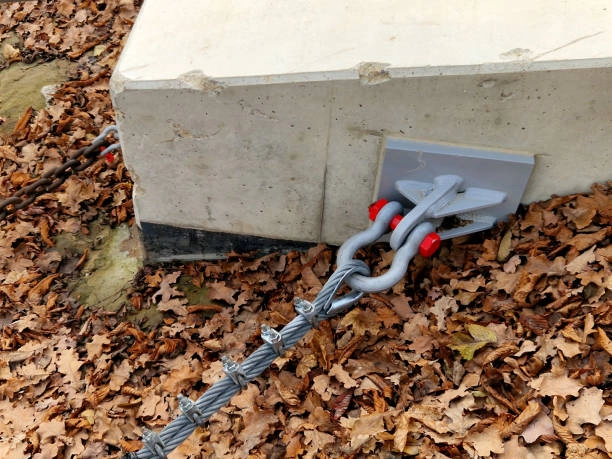
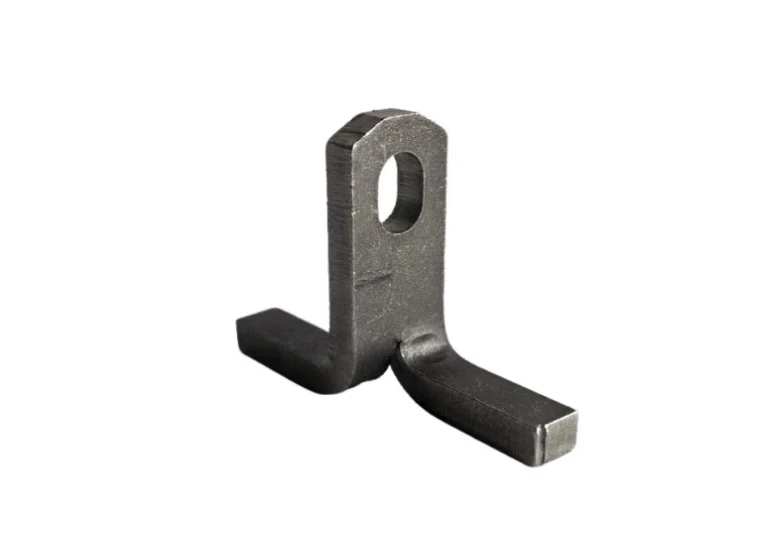
- Bolt-on and weld-on configurations based on application needs
Each variant comes with specific load ratings depending on material strength and mounting method.
Benefits of Using Swivel Hoist Rings Over Eye Bolts
Here’s where they stand out:
- Allow 360-degree rotation and 180-degree pivot under full load
- Maintain capacity across a wide range of lifting angles
- Many models come with visual indicators showing proper alignment or overload warning
These features significantly reduce risks during complex lifts.
Drawbacks to Consider When Choosing Swivel Hoist Rings
Still, they’re not always the best choice:
- Higher upfront cost than lifting eye bolts or eye screws
- Some models require torque-specific installation
- May be overkill for simple vertical lifts that don’t need rotation
Key Factors to Consider When Selecting Between the Two Options
Load Direction and Angular Force Requirements
Before selecting hardware, assess:
- Is the lift vertical or off-axis?
- Will the load shift mid-lift?
If there’s any side pulling involved, a swivel hoist ring is generally safer.
Safety Standards and Compliance Considerations
Lifting hardware must comply with industry standards like ASME B30.26. In critical operations—such as overhead lifting—certified swivel hoist rings are often mandatory. Certifications ensure hardware meets fatigue resistance and design factor requirements.
Budget Constraints Versus Performance Needs
A quick cost-benefit review helps:
| Hardware Type | Approximate Cost | Angular Load Support | Maintenance Needs |
| Lifting Eye Bolt | Low | Poor | Low |
| Swivel Hoist Ring | Medium–High | Excellent | Moderate |
For long-term safety and versatility, investing in swivel hoist rings may save cost through reduced downtime and accidents.
Integrating Lifting Hardware into Rigging Systems Safely
Best Practices for Installation and Inspection
Whether using eye hooks or hoist rings:
- Follow torque specifications during installation
- Ensure threads are clean and fully engaged
- Conduct regular visual inspections for wear, cracks, or deformation
Hardware should always be installed perpendicular to the surface unless specified otherwise by the manufacturer.
Training Requirements for Operators Using Lifting Hardware
Operators must understand:
- Load ratings and how they change with direction
- Proper sling configurations based on hardware type
- Limitations of each component under real-world use
This knowledge is essential to prevent misuse and accidents during lifting operations.
As a professional building hardware manufacturer specializing in forged and machined components for construction and mechanical sectors, BaoQi offers both standard lifting eye bolts and custom-engineered swivel hoist rings designed for industrial-grade performance. Their products serve heavy-duty rigging systems across industries where reliability matters most.
With decades of experience supplying forged metal parts for building structures and lifting gear, BaoQi supports clients needing both off-the-shelf solutions and bespoke designs for challenging applications.
FAQs
Q1: Can I use a standard eye bolt for side loading?
No. Standard eye bolts without shoulders are not rated for side loading and may fail if used improperly.
Q2: Are swivel hoist rings reusable?
Yes, provided they pass inspection and haven’t been overloaded or damaged during prior use.
Q3: How often should lifting hardware be inspected?
Before each use visually; periodically by a qualified inspector based on frequency of use.
Q4: What materials are best for corrosive environments?
Stainless steel is preferred due to its high corrosion resistance.
Q5: Can I replace an eye bolt with a swivel hoist ring directly?
Usually yes—but check thread compatibility, mounting requirements, and load ratings before substitution.