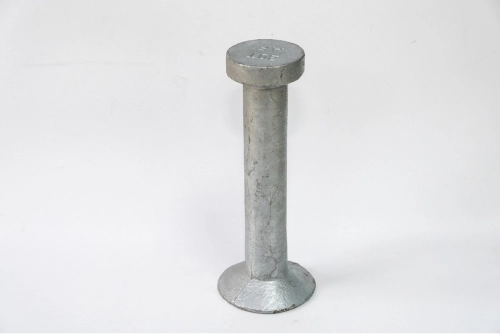
When picking a spherical head lifting anchor for your precast concrete job, one key question matters most: how can you keep things safe and effective without spending too much? The solution comes from grasping the forged build, anchor sizes, concrete fit, and system setup. Let’s look at the main points to guide you in smart choices when buying anchors from a reliable lifting anchor manufacturer.
Structure and Function of Spherical Head Lifting Anchors
Components of a Spherical Head Lifting Anchor
A usual spherical head lifting anchor has three key pieces: the anchor head, shaft, and footplate. They team up to move lifting loads safely into the nearby concrete. The round head is carefully formed to connect with matching lifting clutches. This makes sure of firm grip during lifts and tilts.
Working Mechanism in Precast Concrete Lifting
In a lift, a special clutch grabs the spherical head. This arrangement lets force pass smoothly from the lifting gear to the concrete panel. Thanks to the anchor’s shape, stress spreads out evenly in the concrete part. That cuts down on risks of breaks or breakdowns.
Materials and Manufacturing Considerations
Importance of Forging in Anchor Production
Forged anchors tend to work better. That’s because hot forging brings real perks. It lines up the metal grains with the anchor’s form. This boosts mechanical power a lot. Hot forging also builds strength and grain flow. As a result, it ups fatigue toughness and general dependability over cast or welded options.
Material Grades Commonly Used for Anchors
Top quality alloy steels get picked often. They give great pull strength and bendability. Plus, added surface fixes like galvanizing or coating boost lasting power in harsh spots. This makes them good for outside or sea use.
Critical Criteria for Selecting a Spherical Head Lifting Anchor
Load Bearing Requirements Based on Application
Pick an anchor that fits or beats the weight of your precast piece. For example, JLA013 to JLA320 handles sizes from 1.3T up to 32T. It gives a broad choice of safe working loads for different jobs.
Influence of Concrete Strength on Anchor Choice
Stronger concrete means you might use a shorter or slimmer anchor. But the anchor’s power still needs to match that strength. In weaker concrete, go for longer anchors with bigger widths. They spread loads better that way.
Choosing the Right Length and Diameter
Length decides how far force goes into the piece. Diameter changes shear strength. Take JDHLA050240, for instance. It measures 240 mm long and holds 5T. That suits big panels that need deep set in.
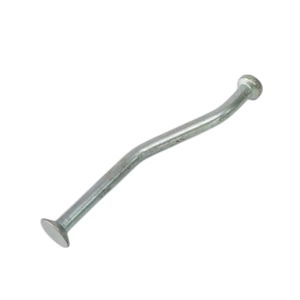
Assessing the Required Lifting Angle Range
Anchors have to handle various lift angles. If you plan slanted or side lifts, check that your anchor and clutch setup can take side pulls without issues. Wrong angles might cause early breaks or risky spots.
Compatibility with Lifting Clutches and Systems
Not every clutch works with all spherical head anchors. The anchor head must match the clutch specs exactly. JLC025 to JLC320 includes clutches made just for anchors from 2.5T to 32T.
Resistance to Corrosive Environments
For sea or chemical areas, choose anchors from stainless steel or with hot dipped galvanized covers. P95P anchors come in plain or hot dipped galvanized finish. This stretches their work life in tough settings.
Compliance with Industry Standards and Certifications
Seek products that follow global rules like EN 1992 or ISO 9001. This means they’ve gone through tough tests and quality checks.
Installation Practices and Safe Operation Guidelines
Proper Embedment Techniques During Casting
Put in recess formers to keep clutch reach open after pouring. Recess Former For Utility Anchor makes sure of exact spot and top results when lifting starts.
Safety Protocols During Lifting Operations
Before raising big parts, do load tests if possible. Also, workers need good training on hooking and unhooking clutches. This stops bad mistakes that could harm.
Benefits of Forged Spherical Head Lifting Anchors Over Alternatives
Mechanical Performance Advantages of Forged Anchors
Forged spherical head anchors stand up better to repeated pulls. The even grain path from forging brings steady and trusty action.
Cost Efficiency Over Lifecycle Use
They cost a bit more at first. Yet, forged anchors save money over time. You replace fewer, have less stop time, and face lower break risks.
Selecting a Reliable Manufacturer for Lifting Anchors
Qualities to Look For in a Lifting Anchor Manufacturer
A solid maker should show skill in forging methods and use good materials. Check for their own test labs that keep quality steady batch after batch.
Role of Technical Support in Product Selection
A skilled maker gives engineering advice. This helps pick the best anchor size, spot, and system fit for your exact project wants.
Overview of BaoQi’s Capabilities in Forged Lifting Systems
Manufacturing Expertise and Quality Assurance Processes
BaoQi was founded in 2010 and holds global ISO-9001 quality certification. Our production process covers every stage, from raw material inspection to final packaging, and each stage maintains high standards.
Product Range Offered by BaoQi
BaoQi’s lineup has anchors, clutches, recess formers, fixing sockets, and extras. Lots of items can change for set load types and sizes.
Additional Precast Accessories Worth Considering
Common Accessories Used Alongside Lifting Anchors
Must have extras cover recess formers for right place in pouring. They also include strength meshes or bars. These help spread stress near the anchor well.
Building Long Term Partnerships Through Quality Solutions
How BaoQi Supports Business Growth
Steady shipping times help build schedules. Tech teamwork lets ongoing tweaks in lifting setups for changing field needs.
FAQs
Q1: What’s the difference between forged and cast lifting anchors?
Forged anchors give better power and trust from good grain line and less inside flaws.
Q2: How do I determine which anchor load rating I need?
Line up the anchor’s SWL (Safe Working Load) with your precast piece’s weight. Add a right safety buffer.
Q3: Can spherical head anchors be reused?
The anchor stays set in forever. But matching clutches can reuse if not hurt.
Q4: What if my panel has low concrete strength?
Pick longer or wider anchors to make up. This keeps force spread safe.
Q5: Are BaoQi’s anchors compliant with global standards?
Yes, our spots have ISO-9001 certs. Products fit EN 1992 rules where needed.