
Why Swivel Loops Matter in Angled Lifting
Ordinary lifting points can spell trouble during angled lifting or when loads rotate. Risks pop up fast: twisted ropes, side bending that weakens the setup, even threads loosening over time.
A wire rope swivel loop steps in to handle those issues. It prevents steel wire from twisting up and boosts overall safety on the job.
With over a decade of experience in forged and stamped lifting components, BaoQi often sees that many lifting issues start with the wrong swivel loop selection.
Understanding the Challenges of Angled and Rotating Lifts
Load direction, side-loading and angle factors
Different lifting angles crank up the actual load on equipment. At 90 degrees, it’s straightforward. Drop to 60 degrees, and the force multiplies. Go to 45 degrees? Even more stress.
Swivel loops come with rated loads for specific ranges, like 0 to 90 degrees. Stick to those to avoid overloads.
Angled lifting safety demands attention to these details. Side loading on lifting points adds another layer of risk if ignored.
Torsion and rope cabling in non-rotating lifting points
Fixed lifting points without rotation lead to problems. Wire ropes kink, fatigue sets in, strands break.
Torsion in wire rope during lifting builds up without a swivel. Over repeated lifts, that wear turns into failures. Better to catch it early.
Why use a swivel lifting point? Simple: it lets the load spin without wrecking the rope.
What Is a Combination Wire Rope Swivel Loop?
Basic design and components
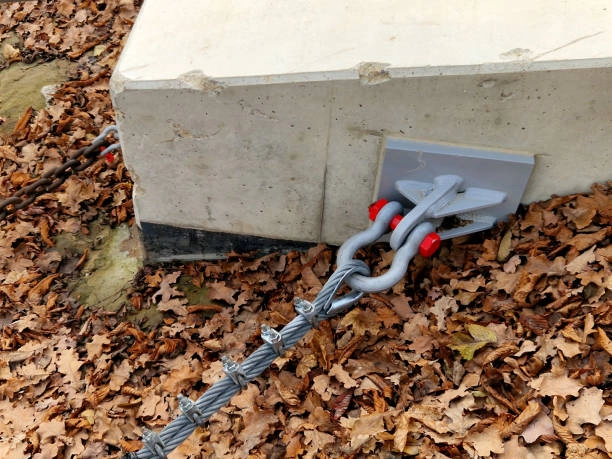
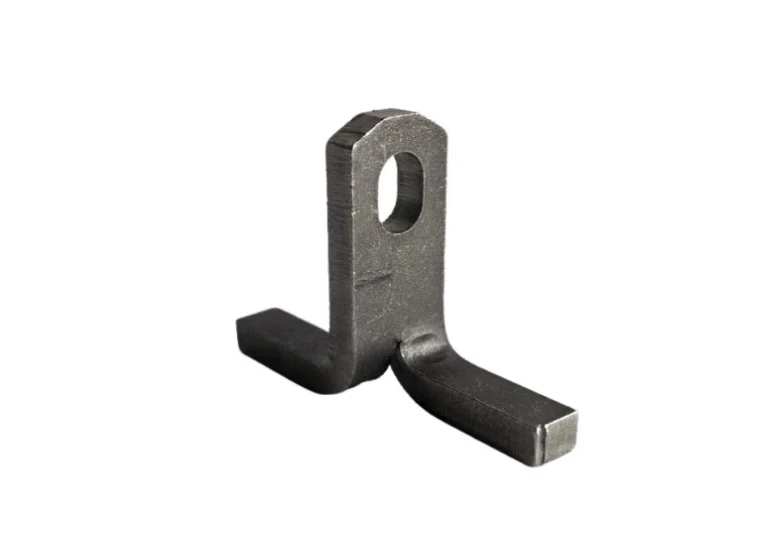
A combination wire rope swivel loop mixes a wire rope leg with a forged body. Add a swivel eye, maybe an eye nut or threaded stud.
Forging and heat treatment make it tough. The rotating bearing inside allows smooth movement.
When to use a swivel loop vs a fixed eye
Go for a swivel when loads need frequent rotation, like flipping workpieces or handling off-center weights.
Swivel lifting point vs fixed eye bolt: the swivel wins for dynamic jobs. Forged swivel loop for wire rope fits heavy industrial use.
Sometimes folks skip the swivel and regret it later, especially with awkward setups.
Step 1 – Define Your Lifting Application
Type of load and lifting direction
Loads vary: steel structures, machinery parts, castings, or fabricated frames. Each shape affects how you lift.
How to select a wire rope swivel loop for angled lifting starts here. Match the swivel to the load’s behavior.
Swivel loop for heavy and awkward loads handles those odd angles best.
Lifting equipment and connection points
Crane types matter – overhead, mobile, or tower. Then there’s the rigging: slings, shackles, hooks, master links.
Connect them right. A mismatch causes headaches down the line.
Step 2 – Check Working Load Limit and Angle Ratings
Calculating effective load under angle
Working load limit, or WLL, times the angle factor gives the real picture. Don’t guess.
Safe working load for wire rope swivel lifting points adjusts for slant. Angle factor for lifting slings and swivel loops keeps things safe.
Straight lifts are easy. Angled ones? Factor in that multiplier or risk overload.
Matching swivel loop WLL with wire rope and sling configuration
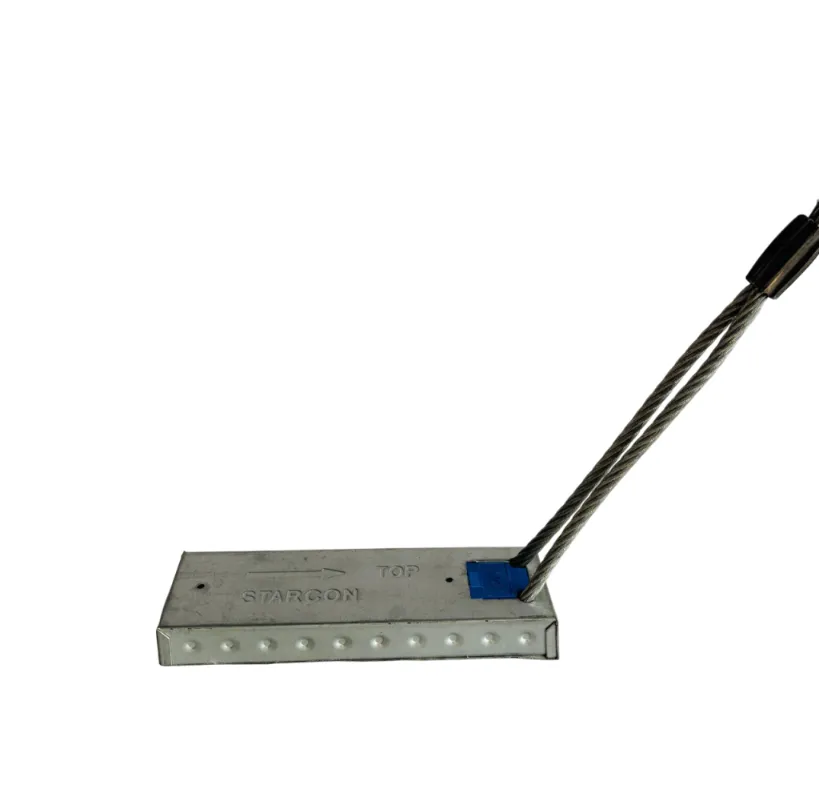
Keep the chain consistent: swivel WLL matches the rope, shackle, hook.
WLL of combination wire rope swivel loop sets the baseline. Weak links fail first, you know.
Step 3 – Choose the Right Swivel Type for Rotation Needs
Free-rotating vs limited-rotation designs
Full rotation with ball bearings suits constant spinning. Limited types just align to the load direction.
Wire rope swivel loop for rotating loads depends on the job’s spin level.
Compatibility with rotation-resistant vs conventional wire rope
Some ropes resist rotation naturally; pair them carefully with swivels. Others need the swivel to prevent twists. Can I use a swivel with rotation-resistant wire rope? Often yes, but check specs.
Swivel hook vs swivel loop for overhead lifting: loops integrate better with wire setups. Occasionally, folks mix them wrong and learn the hard way during a lift.
Step 4 – Material, Manufacturing and Threaded Connection
Forged vs cast swivel loops and why it matters
Forged swivel lifting point beats cast in strength and toughness. Grain flow in forging resists fatigue better. Cast versions might crack under repeated stress. Stamped ones vary too.
In many heavy-duty projects, engineers prefer forged swivel bodies – similar to those produced by BaoQi – because they offer better grain flow and fatigue resistance than cast alternatives.
Forged vs cast lifting points safety: forging wins for longevity.
Thread engagement and mounting surface
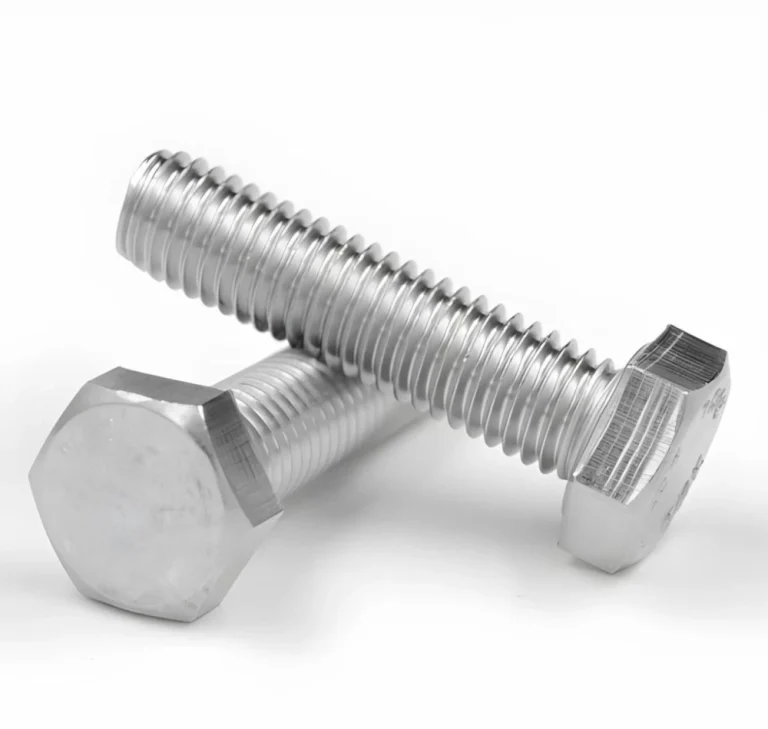
Threaded wire rope swivel loop installation needs proper length. Torque it right, ensure flat surfaces, maybe add washers.
Skip that, and threads strip. Simple checks prevent big issues.
Step 5 – Inspection, Maintenance and Replacement Criteria
Visual checks before every lift
Look for bends, cracks, rust, discoloration, stuck bearings. Inspection of wire rope swivel lifting points catches wear early. Do it every time.
When to remove a swivel loop from service
Follow standards like ASME or EN. Deformities, excessive wear, or damage mean retirement. When to replace a swivel lifting eye? Better safe than sorry.
Lifting equipment safety checklist includes these basics. Miss one, and problems snowball.
Common Mistakes to Avoid with Wire Rope Swivel Loops
Using swivels where they’re not allowed, like certain boom hoist ropes, invites trouble. Treating a non-rotating ring as a swivel? Big no. Exceeding angle limits stresses everything.
Mixing hardware grades creates a weakest link. Common mistakes using swivel lifting points lead to failures. Wire rope swivel loop failure modes often trace back to these slips.
Sometimes operators cut corners thinking it’s fine, but it rarely is.
Conclusion – Designing Safer Angled Lifts with the Right Swivel Loop
Start with the job details. Calculate loads and angles next. Pick the swivel type and material that fits. Install properly, inspect often. Selecting the right wire rope swivel loop makes all the difference. Angled lifting and rotation safety improves with these steps.
When in doubt, consult a qualified lifting engineer or a specialist manufacturer such as BaoQi to review your swivel loop design for angled lifting.
FAQ
Q: What is a wire rope swivel loop used for?
A wire rope swivel loop prevents twisting, side loading, and torque buildup during angled or rotating lifting operations.
Q: How do I choose the right swivel loop for angled lifting?
Select based on working load limit, angle rating, rope compatibility, and whether full rotation or alignment-only swivel is required.
Q: Can swivel loops handle side loading?
Only if they are rated for angular loading. Always check the manufacturer’s angle and WLL charts before use.
Q: Is a forged swivel loop better than a cast one?
Yes. Forged swivel loops provide higher strength, better grain flow, and improved fatigue resistance for heavy-duty lifting.
Q: When should a swivel lifting loop be replaced?
Replace it when you see deformation, cracks, corrosion, or restricted rotation, or when it fails to meet inspection standards.