Why Turnbuckle Construction Matters for Safety
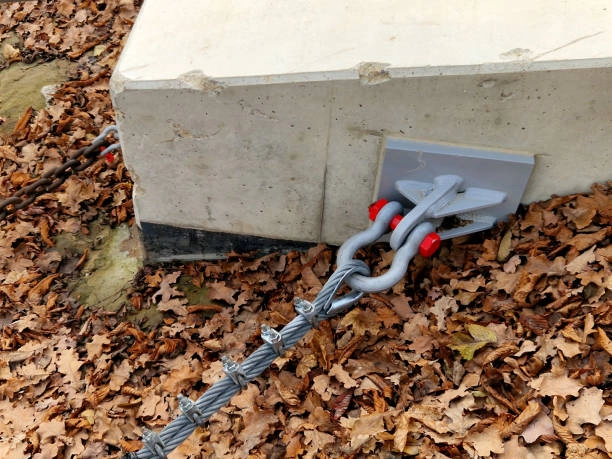
Turnbuckles are super important in rigging jobs. You see them when people lift big stuff or tighten cables on buildings. They let you change the length and pull of ropes or metal rods so everything stays steady. You’ll spot them on cranes, boats, or even concert stages.
Here’s the scary part. Lots of accidents happen not because someone forgot the turnbuckle. Nope. It’s usually because they grabbed one that was made the cheap way or wasn’t strong enough. One weak piece can make the whole setup crash down hard. That’s why folks keep asking: when it comes to forged vs cast turnbuckle, which is safer?
BaoQi has been making both forged and cast rigging gear for more than ten years. We see the same mistakes over and over. Safety problems almost always start when someone uses the wrong kind for the job. It really comes down to how each type deals with heavy pulling and hidden flaws.
What Does a Turnbuckle Do in a Rigging System?
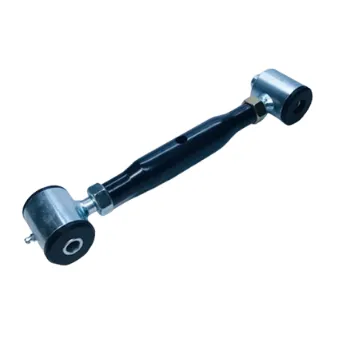
A turnbuckle is basically an adjustable connector. It has two threaded ends. One side has left hand threads, the other has right hand threads. When you spin the middle body, the ends either get closer or move apart. That way you can get the tension exactly right on your wire rope or rod.
You’ll find them on construction sites, ships, bridges… pretty much anywhere cables need to stay tight. They stop things from sagging or shaking loose.
Every turnbuckle comes with a working load limit – that’s the WLL. It tells you the heaviest load it can carry day-to-day without trouble. On top of that there’s a safety factor, usually 4:1 or 5:1. So the actual breaking point is way higher than the WLL. That extra room covers surprises like sudden jerks. Ignore those numbers and you’re playing with fire.
Forged Turnbuckles – Process and Strength
What is forging in rigging hardware?
Forging starts with heating a steel billet to a high temperature. Then, it’s hammered or pressed into shape using dies. After that comes heat treatment to boost hardness and toughness. This method has been around for ages in making tools and hardware.
Why forged turnbuckles are stronger
The real edge comes from the grain flow. In forging, the metal’s internal structure aligns with the part’s shape, creating a dense, uniform material without voids. No shrinkage holes or gas pockets to worry about, unlike other methods.
This setup makes forged turnbuckles more resistant to impacts and fatigue. They bend before breaking, giving a bit of warning. Plus, they usually come with clear load ratings stamped right on them, so you know exactly what you’re dealing with.
Ever seen a piece of hardware that just feels solid? That’s often a forged one, built to take repeated knocks without cracking.
Typical applications for forged turnbuckles
These shine in overhead lifting, where dropping a load isn’t an option. Structural bracing in buildings or towers relies on them too. Heavy machinery setups, crane rigging—anywhere high-strength turnbuckle is needed. Forged rigging hardware handles the vibrations and sudden jerks that come with the territory.
People often wonder, “are forged turnbuckles stronger than cast?” The short answer: yes, especially for forged turnbuckle for lifting operations.
In practice, many engineers specify forged turnbuckles from manufacturers like BaoQi whenever impact loads or dynamic lifting are involved.

Cast Turnbuckles – Process, Benefits and Limitations
What is casting in rigging components?
Casting involves melting metal and pouring it into a mold to cool and solidify. It’s straightforward for shaping parts.
Advantages of cast turnbuckles
One big plus is the ability to create complex shapes that forging might struggle with. They’re great for larger sizes too. More alloy options mean you can tweak properties for specific needs. And the mold costs? Often lower for big runs, making cast rigging hardware economical.
Safety limitations of cast or malleable turnbuckles
But drawbacks lurk inside. Shrinkage during cooling can leave voids, and porosity—tiny air bubbles—weakens the structure. These flaws might not show up until the part fails under load.
Cast turnbuckles often lack load ratings or get relegated to non-lifting tasks. Questions like “is a cast turnbuckle safe for lifting” pop up a lot, and the answer depends on the setup. For light stuff, maybe. But in heavy use? Risky.
When deciding when to use cast vs forged turnbuckles, consider if hidden defects could spell disaster.
Forged vs Cast Turnbuckles: Head-to-Head Safety Comparison
Strength, ductility and impact resistance
Let’s break it down simply:
- Strength: Forged edges out cast with higher tensile power due to aligned grains.
- Ductility: Forged bends more before snapping, while cast can be brittle.
- Impact resistance: Forged absorbs shocks better; cast might shatter.
- Fatigue life: Forged lasts longer under cycles of stress.
In forged vs cast rigging hardware, the forged type wins on these fronts, reducing turnbuckle failure risks.
Load ratings and applicable standards
Forged turnbuckles typically follow standards like ASTM F1145 or FF-T-791, complete with marked WLL. This ensures they’re ready for serious work.
Cast or malleable turnbuckles? They’re more for non-load-rated jobs, like fencing or railings. No standards pushing for high ratings there.
Typical failure modes in real-world use
Forged ones usually fail only under extreme overload or bad corrosion, often with ductile fracture—stretching before the break.
Cast versions risk brittle snaps, where cracks spread from internal flaws without much sign. Scary in forged vs cast turnbuckles safety comparison.
When You Must Use Forged Turnbuckles
Certain jobs demand forged turnbuckle for lifting without question. Overhead lifting and hoisting top the list—think cranes or elevators.
Supporting human loads, like in stages or suspension bridges, calls for them too. No room for error when lives hang in the balance.
Structural bracing in buildings or towers? Forged only. Same for dynamic or shock-loaded systems, where sudden forces hit hard.
Bottom line: If it’s about life safety or major assets at risk, stick to forged. Overhead lifting hardware needs that reliability, with a solid safety factor for turnbuckles.
“When should you use a forged turnbuckle?” Anytime failure could hurt people or wreck big investments.
Where Cast Turnbuckles May Be Acceptable
Cast turnbuckles fit in lighter spots. Non-life-safety setups like fence cables or light shade structures work fine.
Think decorative rods or display frameworks—nothing bearing heavy weights.
Even then, follow the maker’s guidelines on use. Cast turnbuckle for light-duty applications keeps things simple and cheap.
“Is a cast turnbuckle good enough?” For non-load-rated turnbuckle tasks, sure. But double-check the limits.
How to Identify Forged vs Cast Turnbuckles in the Field
Visual cues and markings
Spot a forged one by the forging parting line—subtle, with smooth curves. They often have stamped WLL or grade marks.
Cast types show rougher surfaces, maybe leftover gate marks from pouring. Fewer markings overall.
How to tell if a turnbuckle is forged or cast? Look close; the details tell the story.
Checking markings, WLL and traceability
Always scan for turnbuckle markings WLL, standard codes, or manufacturer stamps. Traceability helps verify quality.
If it’s blank, proceed with caution. Better safe than sorry in the field.
Practical Checklist for Choosing a Safer Turnbuckle
Here’s a quick rundown for safe turnbuckle selection checklist:
- Is this for lifting or just tensioning? Lifting screams forged.
- Any people underneath? Prioritize safety with forged.
- What’s the needed WLL and safety factor? Calculate properly.
- Environment factors—corrosion, heat? Pick materials that hold up.
- Any standards or client specs demanding forged? Follow them.
Forged Turnbuckles for Safety-Critical Work
Casting offers shape flexibility and cost savings, no doubt. Yet in any real load-bearing or hoisting scenario, forged turnbuckles should be the go-to, even mandatory.
Grasping these process differences leads to smarter, safer choices in engineering. Forged vs cast turnbuckles safety boils down to picking the safest type of turnbuckle for lifting when it counts.
Engineers typically consult a specialist manufacturer such as BaoQi to confirm that a forged turnbuckle is specified correctly.
FAQ
Q: What is the difference between forged and cast turnbuckles?
Forged turnbuckles are stronger and more ductile, while cast turnbuckles may contain internal defects and are generally not rated for lifting.
Q: Are forged turnbuckles safer than cast turnbuckles?
Yes. Forged turnbuckles provide higher strength, impact resistance, and reliable load ratings, making them safer for lifting and critical rigging.
Q: Can a cast turnbuckle be used for lifting?
No. Cast or malleable turnbuckles are not recommended for overhead lifting and are typically meant for light-duty tensioning only.
Q: How do I know if a turnbuckle is forged or cast?
Forged turnbuckles usually have smoother grain flow, clearer markings, and stamped load ratings, while cast versions have rougher surfaces and no WLL.
Q: When should a forged turnbuckle be used?
Use forged turnbuckles for any lifting, dynamic load, overhead rigging, or structural applications where safety and load reliability are critical.