Comparing Lifting Loops and Clutches in Precast Concrete Applications
Functional Differences Between Lifting Loops and Clutches
When handling precast concrete elements, choosing the right lifting method has a major impact on performance, safety, and cost. The two most common systems—cast in lifting loops and clutch based mechanisms—differ fundamentally in how they integrate with the concrete.
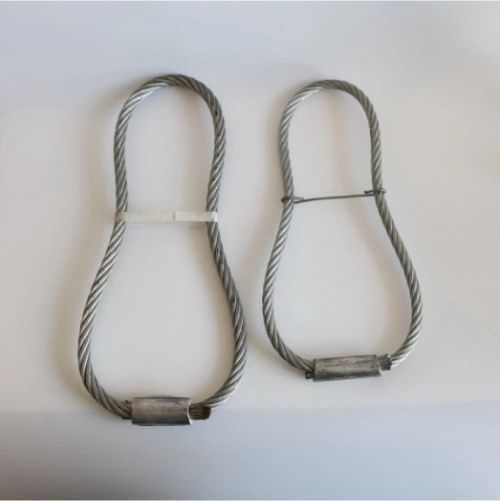
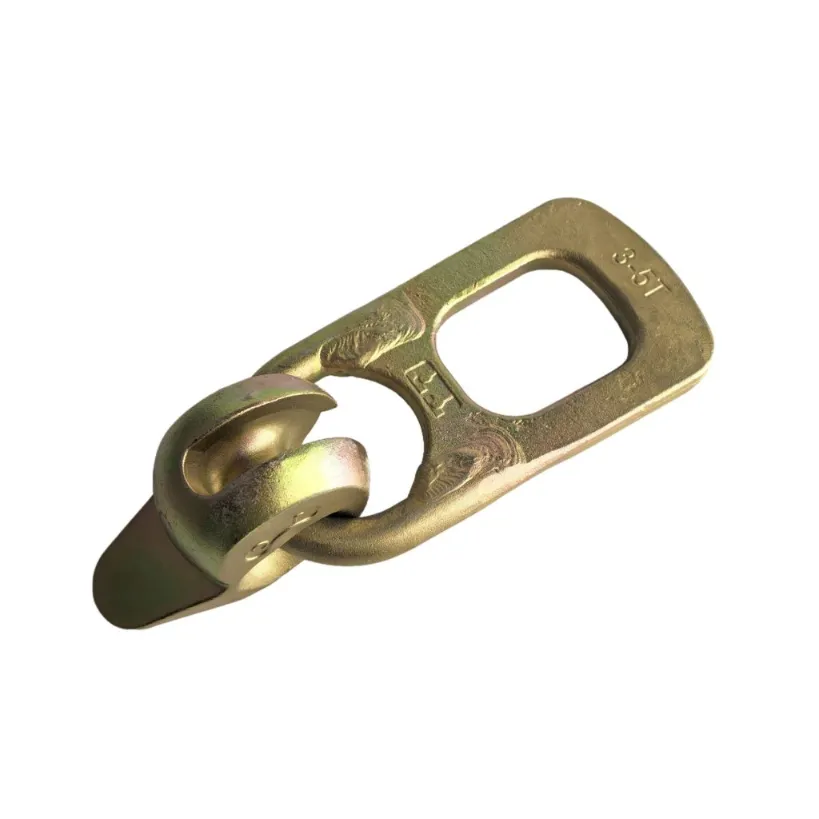
Cast in lifting loops are embedded during the concrete casting process. Cast in lifting loops allow for direct attachment without additional hardware. This means no special tools or fittings are required on site. Once the concrete cures, the loop is ready for immediate connection.
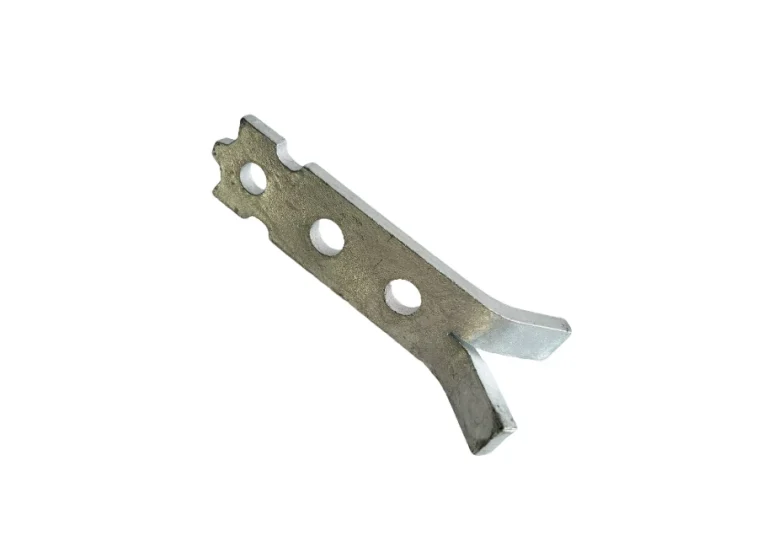
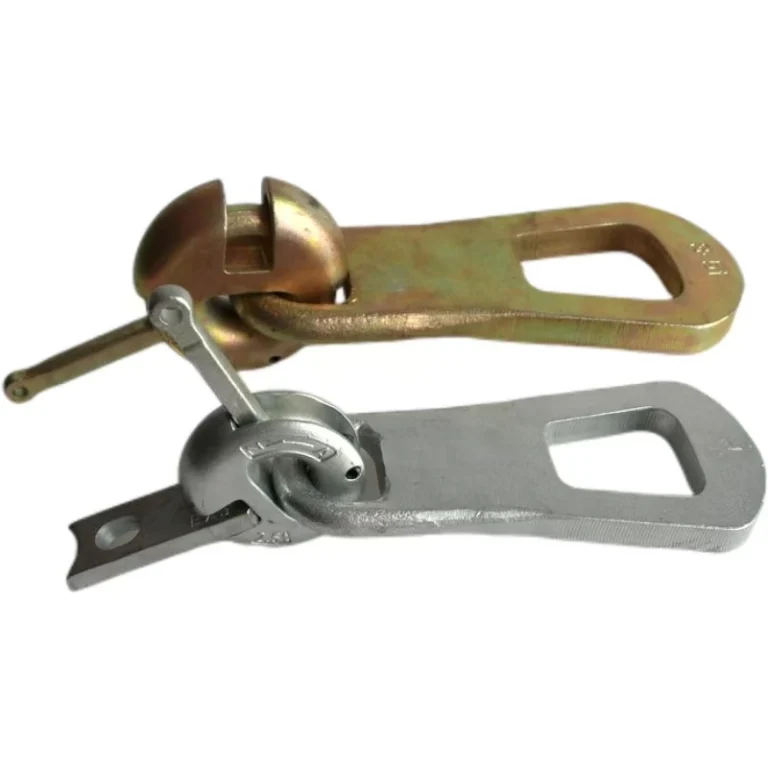
Clutch systems, by contrast, depend on embedded anchors that must be compatible with specialized lifting clutches. These clutches mechanically engage with the anchor head. Clutches require specialized lifting devices and precise alignment during use. A small mistake in alignment or incorrect clutch usage can compromise both efficiency and safety.
| Feature | Cast in Lifting Loops | Clutch Systems |
| Integration | Embedded during casting | Used with embedded anchor heads |
| Hardware Needs | No external hardware needed | Requires specialized lifting clutch |
| Ease of Use | Simple hook and lift | Requires precise mechanical engagement |
| Risk of Misuse | Minimal | Higher due to moving parts and alignment |
Installation Process and On Site Efficiency
Time equals money on every construction site. Here, cast in lifting loops clearly show their value.
- Lifting loops simplify installation by eliminating the need for external lifting hardware.
- Fewer components mean fewer chances for error and faster preparation before the lift.
- Reduced handling steps with lifting loops can lead to faster project timelines.
Clutch based systems, while robust, tend to introduce more steps:
- Anchors must be accurately positioned during casting.
- The corresponding clutch must match both type and size.
- Laborers need to inspect and align each connection before lifting.
These setup demands slow down repetitive tasks, especially in fast paced modular builds or high volume precast yards.
Safety Considerations in Lifting Operations
Safety is never negotiable, especially when hoisting multi ton concrete components overhead. Cast in lifting loops offer predictable performance with fewer failure points. The absence of mechanical parts reduces the likelihood of malfunction.
Proper loop placement during casting enhances structural integrity under load. When reinforced correctly, they distribute stress evenly through the concrete body. Conversely, clutch systems involve mechanical engagement, increasing the risk of misuse. Misalignment or worn out components can lead to uneven loading or sudden release.
Material Behavior and Load Performance
Understanding how each system behaves under load is key to structural reliability.
Load Distribution Characteristics of Cast in Lifting Loops
The loop’s integration with rebar ensures even stress distribution. Load transfer occurs through the concrete body, minimizing localized stress points. With proper reinforcement, they support both vertical and angled lifts safely.
Structural Demands on Clutch Based Systems
Clutches localize stress at anchor points. This places greater demands on insert design. Clutches concentrate load at anchor points, requiring high strength inserts. Load bearing capacity is highly dependent on anchor embedment depth and angle.
Errors like shallow embedment or off axis pulls can reduce capacity significantly.
Lifecycle Cost and Maintenance Implications
Economic Impact Over Multiple Project Cycles
While clutches offer reusability, cast in loops win in simplicity and low long term cost. Cast in lifting loops reduce long term costs by eliminating reusable hardware logistics.
Lower equipment wear and fewer moving parts lead to minimal maintenance needs. Increased productivity helps offset the minor cost of incorporating a loop into each element.
Inspection and Reusability Constraints of Clutches
With clutch systems:
- Frequent inspections are required to ensure clutch integrity across uses.
- Moving parts degrade over time, especially under dirty or wet conditions.
- Storage, transport, and tracking of clutch hardware add indirect costs to operations.
Design Flexibility in Construction Planning
Customization Potential of Cast in Lifting Loops
This is where loops really shine. They’re adaptable. Loops can be tailored in size, shape, and material to match specific load requirements. Integration into formwork allows designers greater freedom in element geometry.
Limitations Imposed by Standardized Clutch Systems
Clutch systems require anchors compatible with standardized hardware. Standard clutch systems restrict design choices due to fixed anchor specifications. Adjusting these anchors often involves redesigning reinforcement layouts—something engineers prefer to avoid once molds are finalized.
Industry Applications Favoring Cast in Lifting Loops Over Clutches
Precast Concrete Assembly in Modular Construction Projects
Loop based systems streamline handling of repetitive structural elements like wall panels or beams. Reduced setup time accelerates modular assembly workflows on site.
Equipment Maintenance and Mechanical Fabrication Scenarios
In machine shops or mechanical plants. Cast in loops facilitate secure lifting without risk of slippage or misfit devices.
Infrastructure Projects Requiring High Throughput Handling Systems
Bridges, tunnels, etc. demand repeatable efficiency. BaoQi’s ISO‑9001 certified production ensures reliable supply for high volume infrastructure demands. Bridges, tunnels, and large scale public works benefit from simplified logistics offered by cast in solutions.
Regulatory Compliance and Quality Assurance Factors
Certification Requirements for Safe Use of Lifting Components
Safety standards cannot be ignored. Compliance with regional standards ensures safe operation under dynamic loads. BaoQi manufactures all lifting components under strict quality control aligned with international norms.
Documentation, Traceability, and Quality Control Practices
Especially valuable in regulated sectors:
- Cast in loop systems allow clear documentation from casting to final lift.
- Reliable traceability supports audit processes in large construction projects where safety is paramount.
For any contractor needing efficient logistics, fewer moving parts, and better integration with digital documentation flows—cast in lifting loops are hard to beat. BAOQI was established in 2010, specializing in the production and export of various forging, casting, punching parts in Qingdao, China.
With decades of experience and ISO certified factories, BaoQi delivers cast in lifting loop solutions trusted by global clients across infrastructure, modular construction, and heavy machinery.
FAQs
Q: What is a cast in lifting loop?
A steel loop embedded into concrete during casting, used for lifting without extra hardware.
Q: Are cast in loops reusable?
No—they’re designed for single use lifts but reduce long term project costs by simplifying logistics.
Q: How do cast in loops compare with clutches on safety?
They offer fewer failure points since there are no mechanical moving parts involved.
Q: Can BaoQi customize lifting loops?
Yes. BaoQi supports OEM/ODM customization based on load capacity and geometry requirements.
Q: Do cast in loops require certification?
Yes. BaoQi ensures all products comply with international standards under ISO‑9001 certified processes.