Precast concrete lifting involves heavy elements like wall panels, slabs, beams, and stairs. These pieces face tough conditions on site. Pick the wrong lifting clutches, and risks spike. Safety drops, quality suffers, efficiency tanks.
Ring clutches play a key role here. But when should a ring clutch take the lead? Or when do other types of lifting clutch fit better? And how to steer clear of mixing systems that lead to accidents? That’s the core puzzle this article tackles.
On many projects using BaoQi precast lifting systems, contractors quickly find that choosing the right clutch type is just as important as casting the correct anchor.
What Is a Ring Clutch in Precast Lifting?
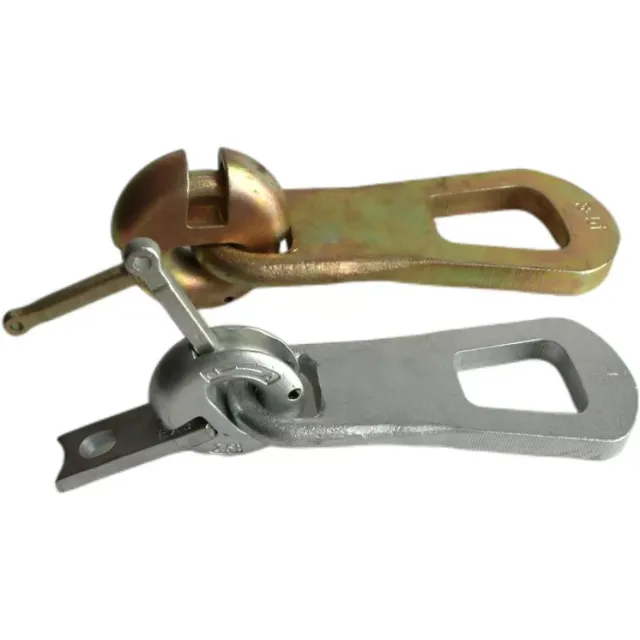
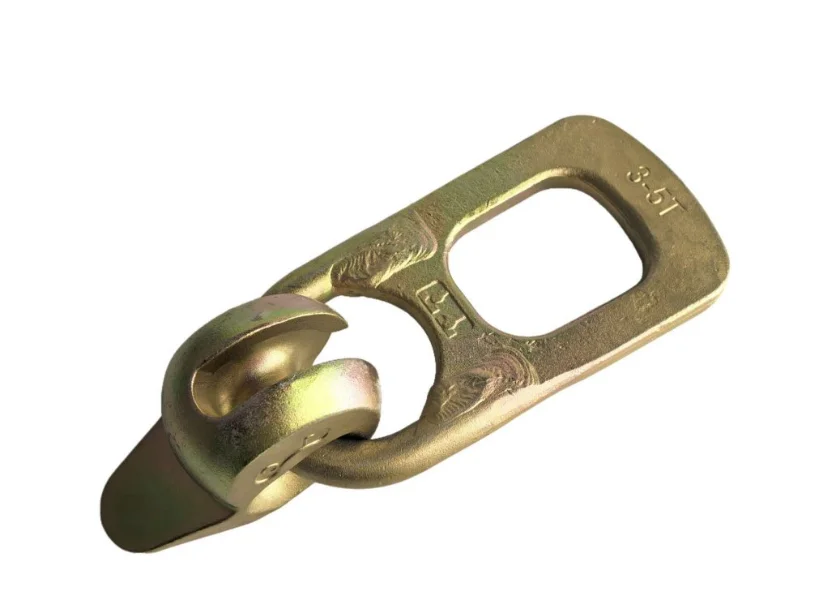
A ring clutch serves as a vital tool in precast lifting. It consists of a clutch body, a curved bolt, and a bail. This setup locks mechanically with a cast-in anchor.
Key features stand out. Ring clutch designs match specific flat, spread, or flat-foot anchors. Load groups correspond one-to-one. The bail rotates 360 degrees for multi-directional lifts. Once locked under load, it won’t release.
Ring clutch for precast lifting shines in edge lifting or flat lifting systems. Wall panels, floor slabs, and upright panel tilting benefit most. Precast concrete ring clutch handles these with ease. Flat lifting system relies on this for smooth operations. Edge lifting clutch like this prevents slips during turns.
Sometimes, folks overlook how the bail’s swivel adds flexibility. It’s handy in tight spots, though not a cure-all for every setup.
Other Lifting Clutches
- Precast lifting clutch varieties include face lifting clutch, which pairs with recessed anchors or face anchors. Face lifting clutch suits face lifting scenarios, like back stripping.
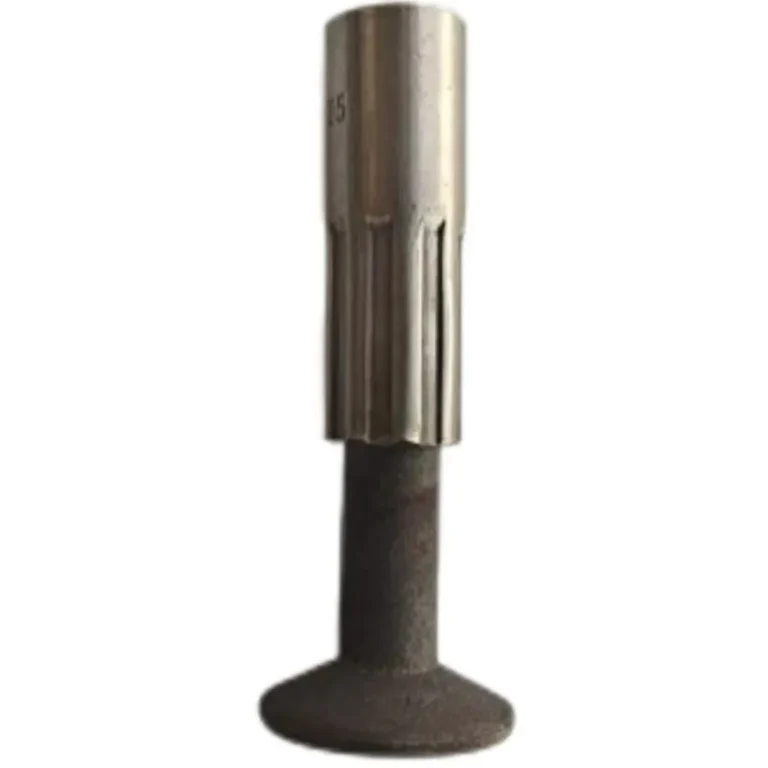
- Then there’s lifting clutch for T anchors or pin anchors, often used with spread foot or transport anchors. T anchor lifting clutch works for pipe lifting or sandwich panel erection.
- Cable ring clutch or special ring clutch steps in for limited spaces or big-angle flips. Cable ring clutch handles tricky rotations.
Ring Clutch vs Other Lifting Clutches – Key Differences for Precast
1. Anchor Compatibility & System Matching
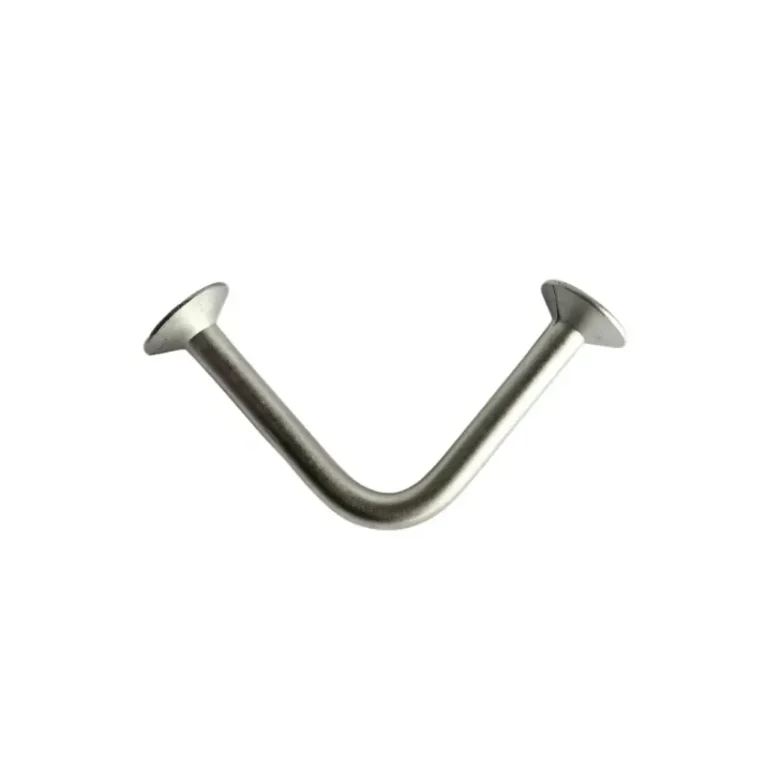
Ring clutch pairs exclusively with spread or flat anchors. It engages positively via a locking pin with the anchor head. Only matching load groups apply.
Other lifting clutches target spherical head anchors, T anchors, or pin anchors. Systems differ, so mixing them spells trouble.
Ring clutch anchor compatibility demands strict adherence. Lifting clutch system can’t be fudged. Precast lifting anchor system requires manufacturer-matched combos. Never assume “it looks close enough” and slap it on.
2. Load Path, Sling Angle and Direction of Lift
Ring clutch excels in edge lifting and tilting. Its bail swivels 360 degrees, staying safe within certain sling angles.
Other lifting clutches vary. Face lifting clutch leans toward near-vertical pulls. Some T-anchor systems allow wider sling angles, but follow derating rules strictly.
Ring clutch sling angle offers more play. Edge lifting vs face lifting shows clear divides. Precast concrete lifting angles must respect design limits, or things go south fast.
3. Typical Precast Applications
Ring clutch tackles wall panels, floor slabs, barriers, bridge decks, box culverts, and tunnel segments. Heavy flat pieces suit it well.
Other lifting clutches shine elsewhere. Face clutch manages large-area face lifts or thin components. Lifting clutch for T anchors handles transport anchors or short-term hoists.
Ring clutch applications focus on precast panel lifting. Each type has its sweet spot, no one size fits all.
4. Handling, Training and Site Practicality
Ring clutch suits teams with solid experience. Its plug-and-play action is straightforward, but demands precision.
Other clutches, like some face types with snap-on mechanisms, might forgive minor slips. Yet error margins differ.
Using ring clutches on site requires consistent habits. Precast lifting training covers these basics. Concrete lifting clutches safety hinges on proper drills.
Teams juggling shifts might prefer simpler options, though nothing beats practice. In practice, many precast plants standardize their edge lifting on a single BaoQi ring clutch system, while using compatible T-anchor lifting clutches only where the design clearly calls for them.
How to Choose Between a Ring Clutch and Other Lifting Clutches for Your Precast Project
Step 1 Start from the Embedded Anchor, Not from the Clutch
Begin with the plans. What anchor system is embedded? Spread anchor, T anchor, or recessed face anchor?
Choose lifting clutch based on that. Precast lifting anchor selection sets the tone. Jumping to the clutch first invites mismatches.
Step 2 Define the Lifting Operation (Edge, Face, Turning, Rotation)
Is it straight-up vertical? Or a 90-degree flip from flat to upright?
Space constraints matter too, like low headroom under beams.
Edge lifting system favors ring clutch for bulk work. Face lifting system or T-anchor clutch fits pure verticals. Precast panel rotation tips the scale toward flexible options.
Step 3 Check Load Group, Safety Factor and Sling Angles
Load group marks the capacity. Safe working load (WLL) ties in. Safety factors run 4:1 or 5:1 typically.
Ring clutch load group must align with anchors. Lifting clutch safe working load follows suit. Concrete lifting clutch safety factor ensures no weak links.
Step 4 Consider Frequency of Use and Maintenance Program
High-use ring clutch needs routine checks. Look for bends, cracks, heat damage, wear.
Ring clutch inspection catches issues early. Lifting clutch maintenance keeps gear reliable. Precast lifting equipment inspection turns into a habit on busy sites.
Common Mistakes When Mixing Ring Clutches and Other Lifting Clutches
One big slip: grabbing a wrong load group clutch for the anchor.
Another: forcing a ring clutch onto a different brand’s or system’s anchor.
Overdoing sling angles in non-designed pulls causes grief. Using face-lift systems for edge or tilts invites disaster.
Ring clutch mistakes lead to concrete spalling or anchor pullouts. Lifting clutch misuse warps parts or fails outright. Precast lifting accidents often trace back to these shortcuts.
It’s tempting to improvise when gear’s short, but that rarely ends well.
Case Examples – When a Ring Clutch Is Best, and When Another Lifting Clutch Wins
Take a large edge lift wall panel needing rotation. Ring clutch with spread anchors handles the flip smoothly. Other clutches might not swivel enough, risking strains.
Now, a heavy stair flight with face lifting anchors. Designers spec face lifting clutch. Swapping to ring clutch brings compatibility woes and potential slips.
For a pipe or manhole section with T anchors, dedicated T-anchor lifting clutch fits. Load group and lift points align perfectly.
Ring clutch case study shows its edge in panels. Precast lifting examples highlight system matches. Which lifting clutch to use boils down to the setup.
In all of these scenarios, the safest choice is to follow the anchor manufacturer’s system. For example, when a panel is cast with BaoQi spread anchors, the matching BaoQi ring clutch is engineered and tested to work within the specified load group and sling angles.
Ring Clutch vs Other Lifting Clutches – It’s About the System, Not Just the Hardware
Ring clutch vs lifting clutch isn’t a simple showdown. Ring clutch stands as a powerhouse for edge lifting and heavy panel flips in precast concrete.
Other lifting clutches prove essential for face lifting, T-anchor setups, or tight-space maneuvers.
Best lifting clutch for precast concrete depends on the match. Precast lifting system ties it all together. Stick to the right combo, and jobs run smoother.
FAQ
Q: Can a ring clutch be used with any type of lifting anchor?
No. Ring clutches must match the correct anchor system and load group. Mixing clutch types or using the wrong load rating can lead to unsafe lifting conditions and potential anchor failure.
Q: When is a ring clutch the best option for precast lifting?
Ring clutches are ideal for edge lifting, panel rotation, and heavy precast elements using spread/flat anchors. They provide secure mechanical engagement and allow controlled lifting at various sling angles.
Q: What lifting clutch should I use for T-anchors or face lifting anchors?
T-anchors generally require a dedicated T-anchor lifting clutch, while face anchors use a face lifting clutch. These systems are not interchangeable with ring clutches and have their own load and angle limitations.
Q: How do sling angles affect ring clutch and lifting clutch performance?
Increasing sling angle reduces effective lifting capacity. Each clutch system has specific angle limits, and exceeding them can overload the clutch or anchor. Always follow the manufacturer’s sling angle guidelines.