Precast concrete lifting anchors play a key role in handling heavy panels safely. Yet, one of the most common and costly issues during precast wall panel lifting shows up as panel cracks, chipped corners, or edge spalling.
These problems often get blamed on poor concrete quality. But that’s not always the case. Many times, the real culprits hide in the details of lifting anchor selection, design, installation, or the lifting process itself.
These tips on preventing edge damage can help you avoid unnecessary trouble in your next project.
Why Precast Panels Crack Around Lifting Anchors
Precast concrete panel cracks often start right at the lifting points. Edge failures around lifting anchors can ruin a perfectly good panel. And spalling at lifting points? That’s a frequent sight on job sites, leading to delays and extra costs.
Typical Failure Modes at Lifting Points
Look out for edge spalling or corner breakout, where chunks of concrete just chip away. Then there’s splitting cracks along the panel edge, running like veins from the anchor. Cone failure or pull-out around anchors happens too, pulling a cone-shaped piece right out.
These aren’t rare. They pop up when forces get too concentrated.
Root Causes Behind These Failures
Improper installation tops the list. If anchors sit crooked or too shallow, trouble brews. Concrete strength that’s not up to par weakens the grip.
Wrong anchor placement, like too close to edges, invites splits. And sling angles that are too small? They amplify the pull, turning a simple lift into a crack fest.
All this leads into better design and detailing. Installation matters big time. So do rigging practices. Getting these right cuts down on failures.
Types of Precast Concrete Lifting Anchors and Their Edge Risks
Types of lifting anchors vary, each with pros and cons for edge protection. Foot anchors, spherical head anchors, loop anchors, and threaded lifting inserts all have their place. But pick wrong, and edges suffer.
Foot Anchors, Pipe/Spread Anchors and Spherical Head Anchors
Foot anchors spread loads well but can stress thin edges if not placed carefully. Pipe or spread anchors work similarly, distributing force to avoid concentrated pulls. Eye anchors offer flexibility in rigging.
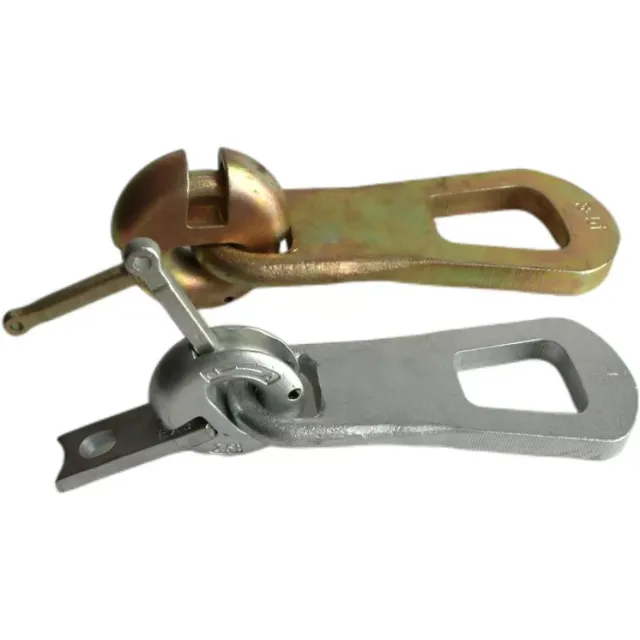
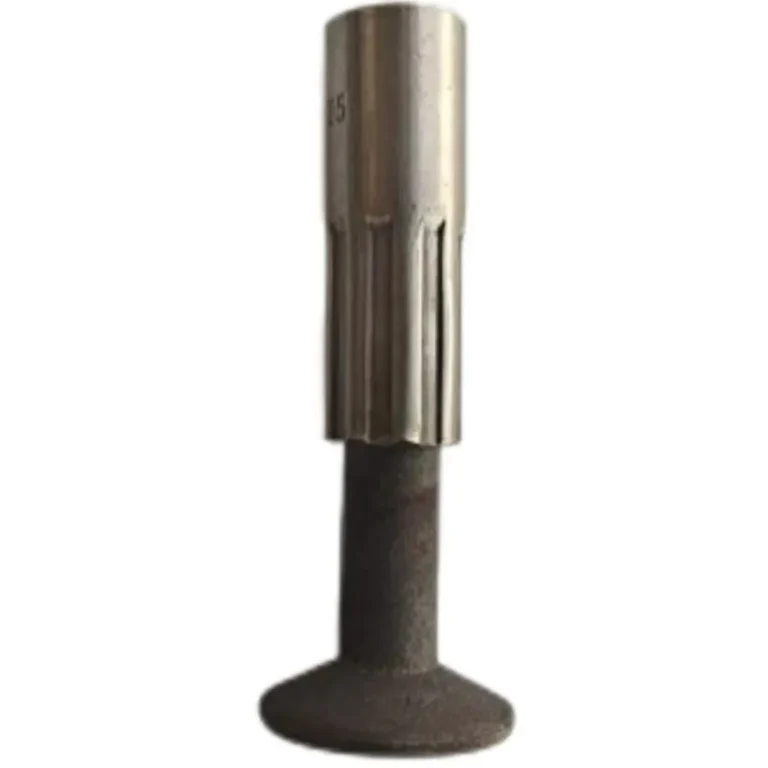
Spherical head anchors shine in thin wall panels and edge lifting. Their design allows some tilt, reducing stress on panel edges. In tight spots, they help prevent cracks better than rigid options.
Loop, Rebar and Threaded Anchors for Lighter Elements
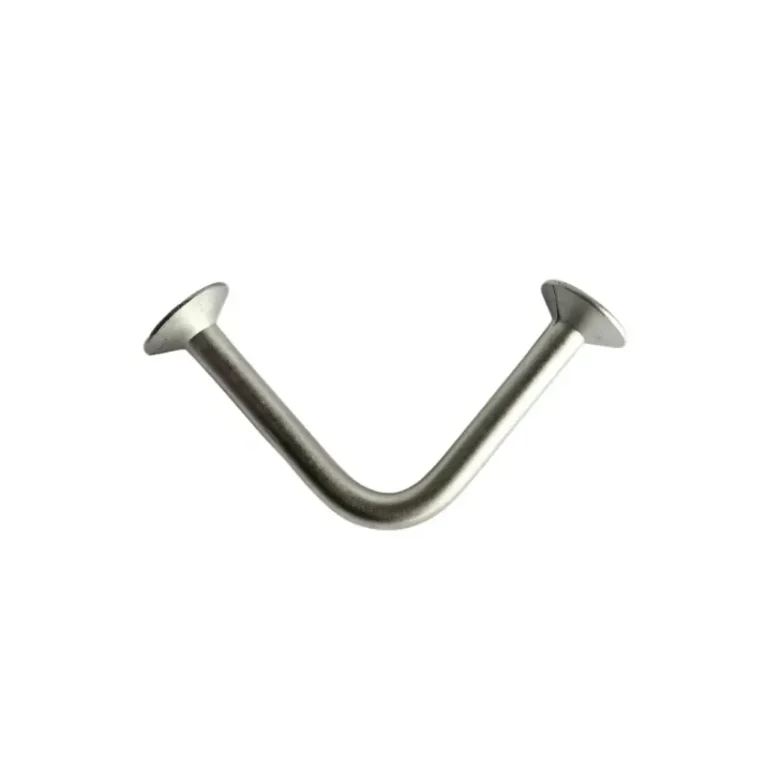
Loop anchors suit lighter elements, looping rebar for a secure hold. Rebar anchors integrate with the panel’s steel. Threaded lifting inserts screw in for easy attachment.
But beware using them in thin panels near edges. They might cause splitting if the panel can’t handle the force. For heavier lifts, stick to sturdier types.
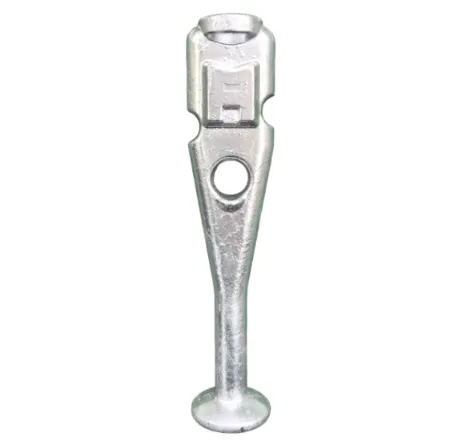
Engineers often turn to examples like forged spherical head tilt-up anchors from manufacturers such as BaoQi. These come in various load classes with consistent dimensions, ideal for thin wall panels without pushing sales pitches.
Design Principles to Protect Panel Edges and Corners
Lifting anchor design for precast panels demands attention to details. Get edge distance and embedment depth right, or face failures. Reinforcement for lifting anchors ties it all together.
Edge Distance, Embedment Depth and Panel Thickness
Anchors too close to the edge spell trouble. Same goes for shallow embedment. Thin panels amplify risks, turning minor pulls into major splits.
Aim for generous distances. Deeper embeds grip better. Thicker panels handle loads without buckling at edges.
Load Class, Number of Anchors and Lifting Angles
Load class ties into geometry, steel strength, and allowed sling angles. More anchors share the weight, easing edge strain.
Lifting angles matter hugely. Tight angles boost tension, pulling forces inward and cracking edges. Keep angles wide to stay safe.
Reinforcement Detailing Around Anchors
Each anchor type needs specific rebar setups. Closed hoops contain stresses. Anchor bars lock things in. Extra diagonal steel disperses pulls, dodging edge splits.
Note that BaoQi provides anchor data sheets with recommended edge distances and reinforcement details. This helps designers prevent panel cracks effectively.
Installation Practices That Prevent Panel Cracks
How to install lifting anchors in precast panels isn’t rocket science, but shortcuts bite back. Correct lifting anchor installation keeps things smooth. Start with clean forms. Position per drawings. Fix recess formers securely.
Accurate Positioning and Recess Formers
Tilted or off-center anchors create extra moments during lifts. That leads to corner cracks fast. Use jigs for precision. Double-check before pouring. It’s worth the extra minute.
Proper Vibration and Concrete Compaction Around Anchors
Honeycombs or voids around anchors weaken the zone. Lifts then cause edge bursts. Vibrate thoroughly. Compact well. No shortcuts here, or pay later with repairs.
Minimum Concrete Strength Before Lifting
Hit 15-20 MPa before hoisting. Rushing for deadlines? Bad idea. Weak concrete crumbles under load. Test cylinders confirm readiness. Patience pays off.
Rigging, Sling Angles and Site Practices That Protect Panel Edges
Sling angle for precast lifting sets the tone for safety. Rigging practices for precast concrete make or break edges. Avoid edge failures during lifting with smart choices.
Choosing the Right Rigging Equipment
Wire rope slings flex but wear out. Chain slings endure heavy use. Synthetic slings protect finishes. Match to the job. Wrong pick, and edges chip.
Controlling Sling Angles to Limit Edge Loads
Small angles ramp up tension on anchors and concrete. Edges feel the brunt. Aim for 60 degrees or more. This cuts forces, sparing panel edges.
Lift Planning, Communication and Panel Orientation
Check panels, ground, obstacles ahead. Use hand signals or radios for sync. Smooth lifts and turns beat jerky moves. Twists pull edges apart. Ever seen a lift go sideways because of poor talk? It happens, and cracks follow.
Common Mistakes That Lead to Panel Cracks – and How to Fix Them
1. Using the wrong anchor type or load class for thin panels.
2. Placing anchors too close to edges or openings.
3. Skipping reinforcement around anchors.
4. Lifting before concrete reaches specified strength.
5. Ignoring sling angles and multi-point lift balance.
Quick Checklist to Avoid Panel Cracks and Edge Failures
Precast lifting anchor checklist helps dodge issues. Use it to avoid panel cracks and edge failures.
- Confirm panel weight, thickness, and center of gravity.
- Select anchor type and load class for the element and lifting method.
- Check edge distance, embedment depth, and reinforcement layout.
- Use correct recess formers and installation jigs.
- Verify concrete strength before lifting.
- Plan rigging layout and sling angles; brief the crew.
Using well-documented anchor systems from manufacturers like BaoQi, who supply clear load tables and detailing guides, makes it easier to follow this checklist in daily precast work.
FAQ
Q: Why do precast concrete panels crack around lifting anchors?
Panels usually crack due to insufficient edge distance, improper anchor placement, low concrete strength at lifting, poor reinforcement, or incorrect sling angles that overload the anchor zone.
Q: How can I avoid edge failures when lifting precast concrete panels?
Maintain proper edge distance, embedment depth, and reinforcement around anchors. Ensure concrete reaches required strength and use correct sling angles to minimize lateral stress on panel edges.
Q: What is the recommended edge distance for lifting anchors in precast panels?
Edge distance depends on anchor type and load class, but most manufacturers recommend keeping anchors far enough from edges to prevent splitting. Always follow the specific technical data sheet for safe values.
Q: How does sling angle affect panel cracking during lifting?
A small sling angle increases tension on each anchor and can pull toward the panel edge, causing cracks or spalling. Larger angles reduce stress and help protect corners and lift points.
Q: What type of lifting anchors are best for thin precast wall panels?
Spherical head anchors or tilt-up lifting anchors are commonly preferred for thin panels because they distribute loads efficiently and reduce the risk of edge cracking when installed with proper reinforcement.