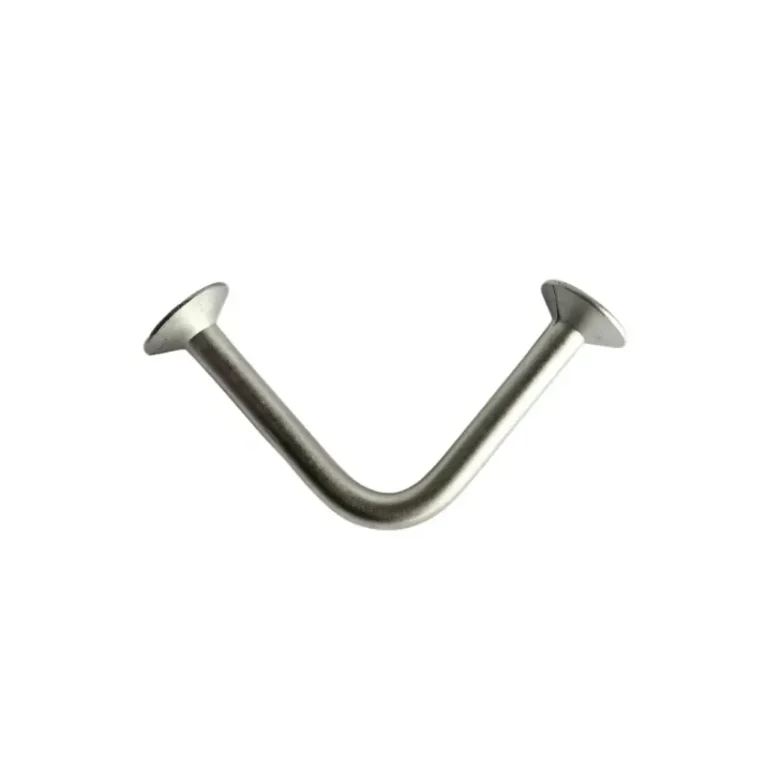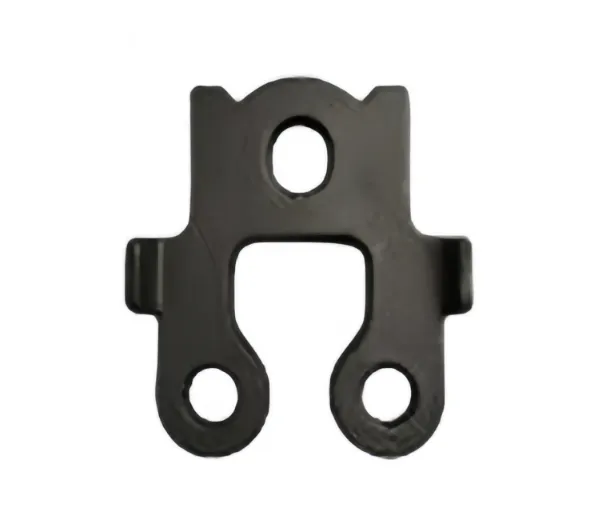
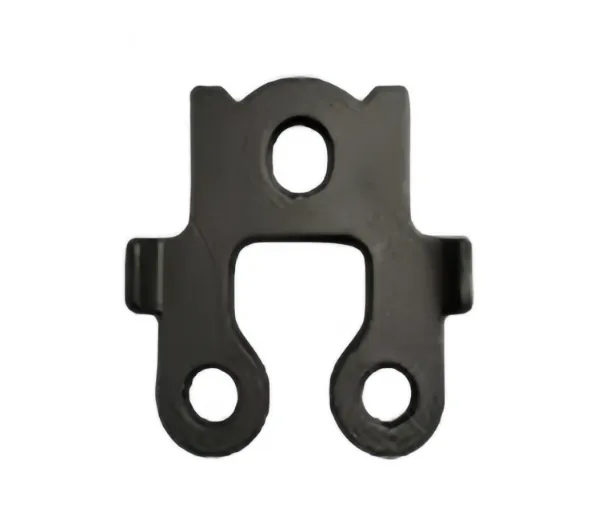
The Importance of Choosing the Right Edge Lift Anchor
Edge lifting in industrial settings throws up some real headaches. Think about hoisting heavy loads right at the brink of a platform or dock. One wrong move, and things go south fast. Workers deal with tight spaces, uneven surfaces, and loads that shift without warning. That’s where edge lift anchors come into play. They secure the lift, keeping everything stable.
Picking the right anchor isn’t just about getting the job done. It ties directly into how smoothly operations run and how safe everyone stays. A weak anchor might buckle under pressure, leading to delays or worse, accidents.
On the flip side, a solid one boosts productivity. In many facilities, including those using BAOQI lifting hardware, anchor reliability is central to safe material handling. It cuts down on downtime and keeps teams focused on the task at hand.
Sometimes folks overlook this choice, grabbing whatever’s cheapest. Big mistake. The right anchor matches the environment, handling the daily grind without failing. Safety regs push for better selections too. No one wants a lift gone wrong because the anchor couldn’t hack it.
Key Factors to Consider When Comparing Edge Lift Anchors
Load Capacity and Rating Standards
Load capacity sits at the heart of any anchor comparison. Anchors come in various ratings, like 2.5T for lighter stuff, 7T for mid-range hauls, and 10T for the heavy hitters. Each one handles different weights, so matching it to your needs matters a lot.
Standards play a big role here. Good anchors meet international codes, ensuring they hold up under scrutiny. Skip this, and you risk non-compliance headaches. Load ratings shape decisions on the floor. For quick lifts, a 2.5T might suffice. But for massive machinery? Go bigger.
Ever notice how some ops switch anchors mid-shift? That’s often due to mismatched ratings. Plan ahead to avoid that mess.
Material Strength and Durability
Materials make or break an anchor’s lifespan. High-grade steel resists wear, while coatings fend off rust. In tough spots, like salty air or chemical spills, corrosion-resistant options shine.
Durability counts in heavy-duty spots. Anchors face constant abuse: bangs, scrapes, extreme temps. A flimsy one wears out fast, hiking replacement costs. Stronger builds last longer, paying off over time.
People sometimes skimp on this, thinking all steel’s the same. Not true. Check the specs closely.
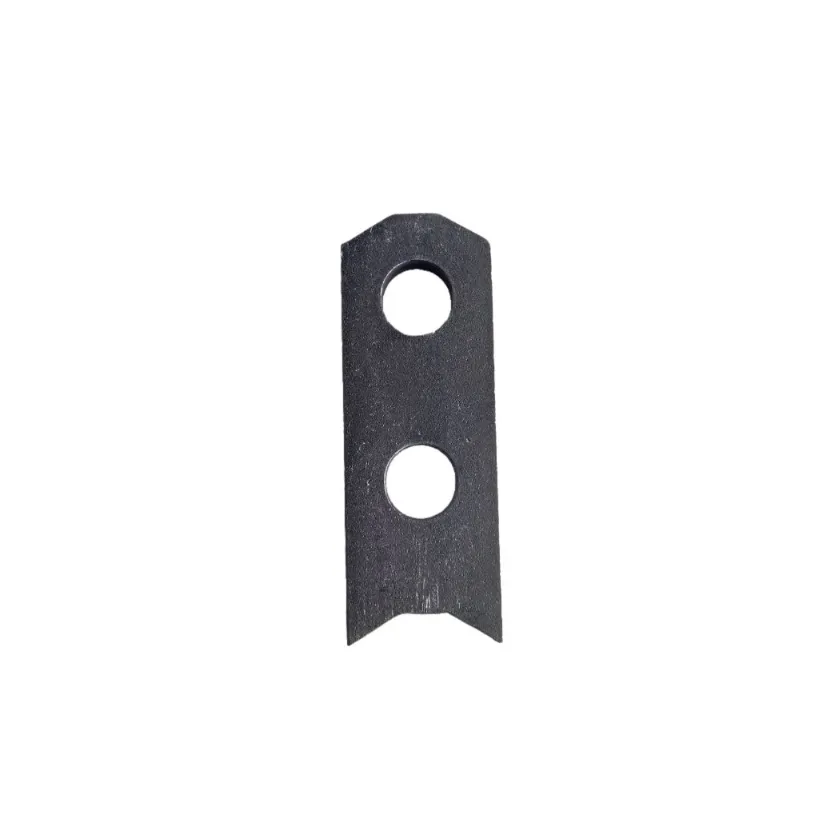
Compatibility With Existing Lifting Equipment
Fit is key. Anchors need to mesh with cranes, hooks, and beams already in use. A mismatch? Expect setup snarls and wasted time.
Some makers focus on this. Take BAOQI; they design anchors with compatibility in mind to reduce integration issues on the shop floor. It smooths out the process, letting teams get back to work quicker.
Test fits before buying. Nothing worse than an anchor that won’t hook up right.
Design Features for Edge-Specific Stability
Design tweaks help anchors grip edges better. Base plates spread weight, cutting slip risks. Side flanges add extra hold, stopping twists during lifts.
These features prevent common woes: tipping, cracks, edge breaks. On precarious spots, stability saves the day. Without it, loads wobble, raising accident odds.
Innovations here evolve fast. Keep an eye on updates that tackle edge quirks.
Comparing Anchor Performance Across Industrial Applications
Manufacturing Plants
In factories, edge lifts often involve big gear near platforms. Anchors must handle vibrations from machines rumbling nearby.
Temps swing wild, and chemicals lurk. A sturdy anchor shrugs it off, keeping lifts steady. Weaker ones falter, slowing production lines.
It’s not just about strength. Quick setups matter in fast-paced spots.
Warehousing and Logistics
Warehouses buzz with activity: dock loads, mezzanine shifts, heavy pallets zipping around. Anchors speed up these flows or bog them down.
Design impacts safety too. Slippery docks demand grippy features. A good anchor minimizes risks, letting workers move confidently.
Ever seen a pallet teeter? Proper anchors nip that in the bud.
Marine and Port Operations
Ports present unique hurdles: ship edges, dock lines, oversized cargo. Waves and wind add chaos.
Stability reigns supreme here. Anchors with beefed-up designs manage unbalanced loads. In port operations, teams using systems like those from BAOQI often prioritize anchors with superior edge stability.
Salt eats at metal, so corrosion-proofing is non-negotiable. Downtime costs big in these hubs.
Practical Comparison: What Sets High-Quality Anchors Apart
Here’s a quick look at some models side by side:
| Anchor Model | Load Capacity | L (mm) | L2 | L3 | L4 | Recommended Applications |
|---|---|---|---|---|---|---|
| 2.5T | Light–
Medium Loads |
98 | 90 | 30 | 54 | Manufacturing components, small equipment near edges |
| 7.0T | Medium–Heavy Loads | 114 | 110 | 20 | 72 | Warehousing equipment, dockside loading |
| 10T | Heavy Loads | 161 | 140 | 22 | 78 | Large machinery, marine lifting near ship edges |
Ease of installation varies. Lighter models snap in quick; heavies need more prep. Inspection routines differ too—check welds on bigger ones often.
Innovative bits cut costs long-term. Think self-aligning flanges or quick-release pins. They save labor hours.
Not all anchors offer these perks. High-end ones do, justifying the spend.
Safety Considerations When Selecting Edge Lift Anchors
Failures happen, usually from overloads or poor installs. Spot weak points early: cracks, bends, loose bolts.
Routine checks catch issues. Wipe off grime, test holds, log findings. Simple stuff, but it prevents disasters.
Positioning near edges amps up risks. Keep anchors centered, away from crumbs or soft spots. A shift could topple the load.
Training helps. Teams need to know signs of trouble. Safety isn’t optional—it’s baked in.
One overlooked bit: weather. Rain slicks surfaces, so adjust accordingly.
Making a Confident, Informed Decision
Wrapping up, factors like load, materials, fit, and design guide anchor picks. Each app—manufacturing, warehousing, marine—demands tailored choices.
Assess your setup first. Real-world tests beat specs on paper.
Don’t chase cheap. Performance trumps price every time. Solid anchors pay dividends in safety and efficiency. Choose wisely, and ops run smoother.
FAQ
Q: What is an edge lift anchor?
It’s a special lifting point fixed near the edge of platforms, docks, or mezzanines so cranes can safely hoist heavy loads without tipping or damaging the edge.
Q: How do I choose the right load capacity?
Match the anchor rating to the heaviest load you normally lift, then add a safety margin. Never go below the actual weight.
Q: Why do some anchors cost more than others?
Better steel, corrosion protection, smarter design features, and easier installation/inspection all add up. Cheaper ones often fail faster in tough environments.
Q: Are BAOQI anchors compatible with my existing cranes and hooks?
Yes, BAOQI designs them to fit most standard rigging hooks and spreader beams used in factories, warehouses, and ports.
Q: How often should edge lift anchors be inspected?
Quick visual check before every heavy lift, plus a proper detailed inspection at least every 3–6 months.