Concrete screw bolts have turned into a top pick for experts who want safe, easy to remove fixings in concrete, brick, or block. They fix the usual issue of getting a firm hold without using push that could split the base stuff. The quick answer to why folks like them: simple setup, solid hold, and they work in many situations.
Understanding Concrete Screw Bolts
Concrete screw bolts—often called screws for concrete or concrete anchor bolts—are threaded fasteners made to lock in place inside holes drilled ahead in concrete or masonry. Unlike old style anchors that swell up, these screws carve threads right into the base material. This creates a tight and shake proof link. So, they work well for both short term and long term setups.
Main Types of Concrete Screw Bolts
There are two chief kinds people use often:
- Standard concrete screw bolts for everyday anchoring jobs.
- Heavy duty structural screw bolts built for tough load tasks like machine bases or steel frames.
Each kind can differ in width and thread shape based on the weight needs and how hard the surface is.
Different Head Types
Head styles decide how the screw works with the part it’s holding. The usual head types are:
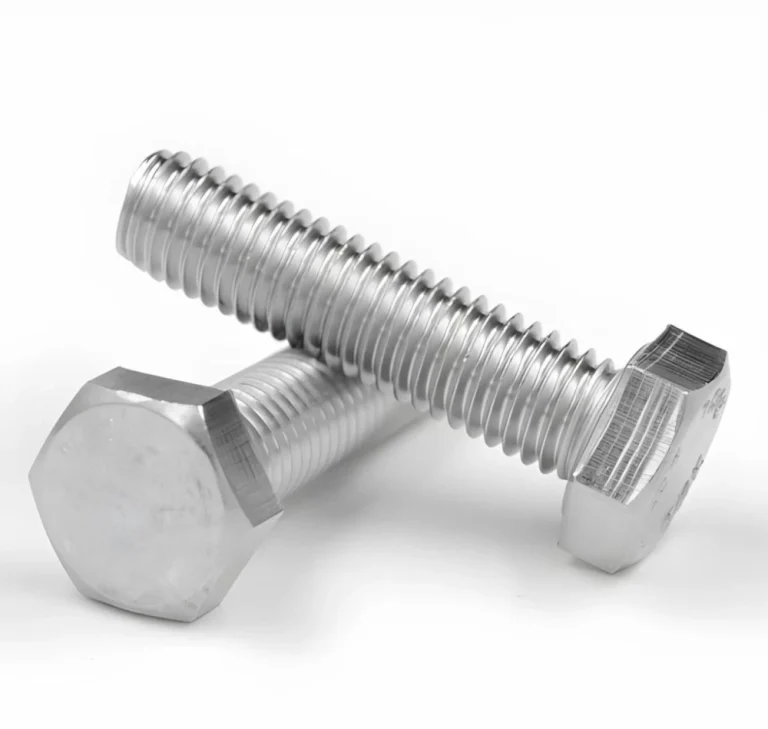
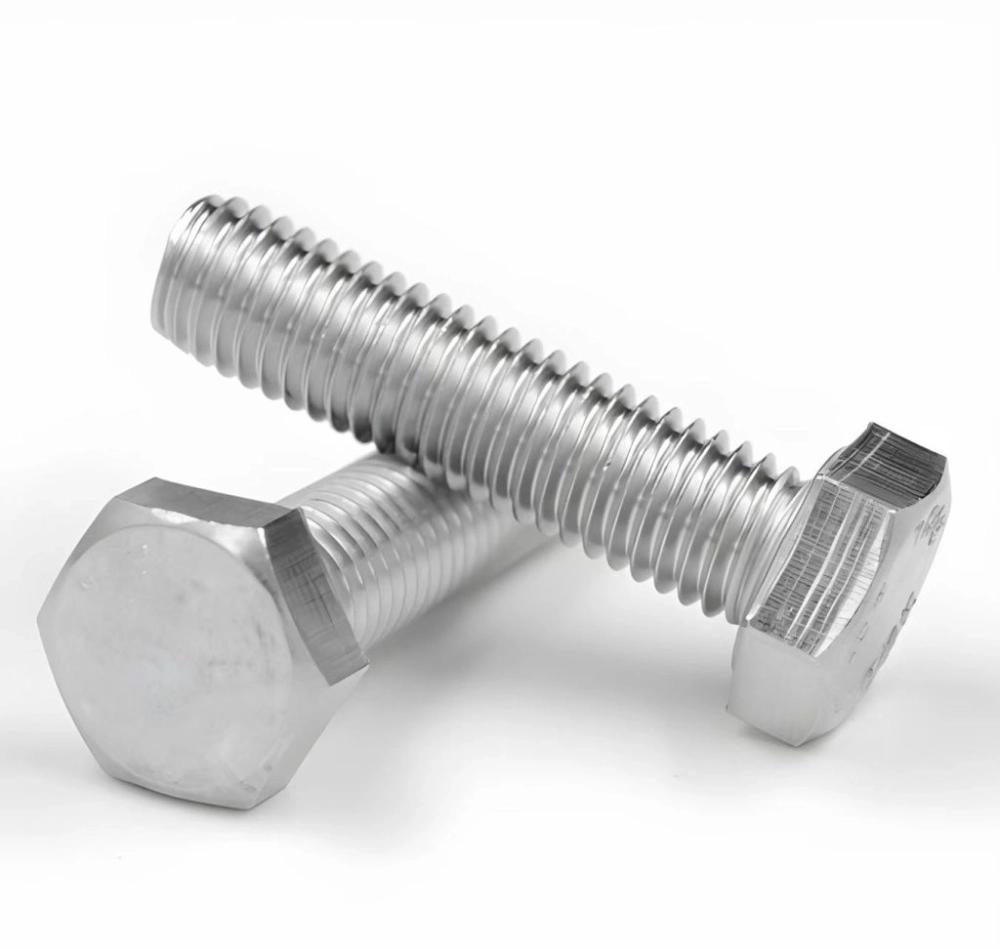
- Hex head: gives strong twist power.
- Countersunk head: lies flat with surfaces for a neat look.
- Pan head: picked when looks matter less than easy reach.
Advantages of Using Concrete Screw Bolts
Easy Installation Process
One big plus is their simple setup. You don’t need sleeves or plugs that expand. Just drill, wipe clean, and screw in. This cuts time on the job and lowers mistakes during the work.
Strong and Reliable Grip
Since they make threads straight in the concrete, these bolts offer great resistance to pulling out. Once you tighten them, they keep steady pressure even with shakes or changing weights. That’s key in factory settings.
Versatility in Applications
Concrete screw bolts fit for attaching rails, shelf setups, support beams, electric boxes, and such. You can take them out easy too. This makes them great for short setups like scaffolds or display builds.
Material and Finish Options for Concrete Screw Bolts
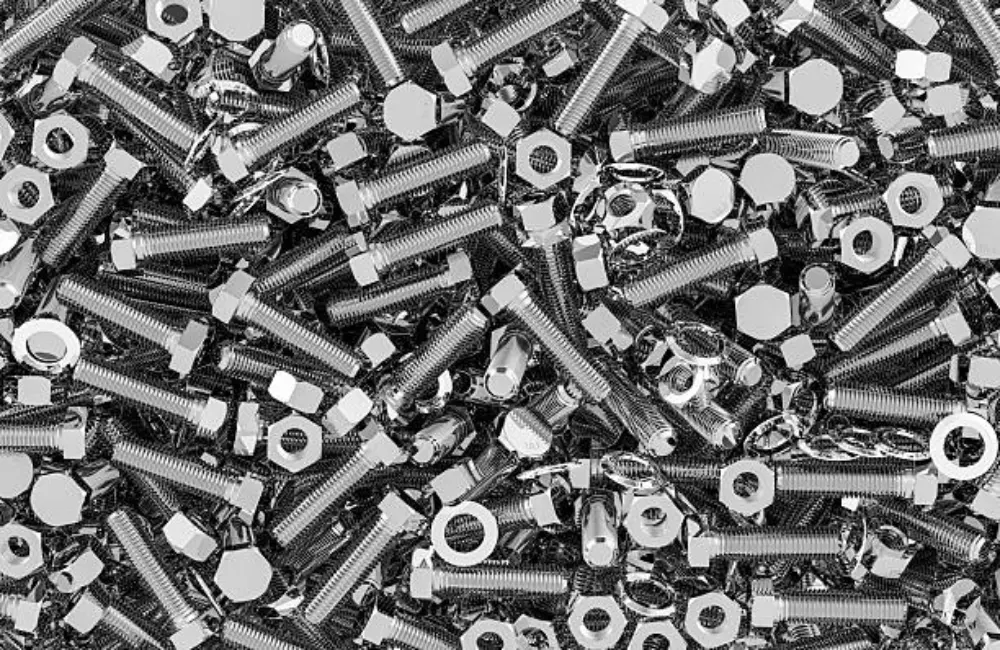
Manufacturers make these fasteners from carbon steel, stainless steel (A2/A4 grades), or toughened steel based on needs for rust protection. Usual finishes include zinc plating, galvanization, or special coating to boost lasting power in outside or damp spots.
BaoQi, a bolt manufacturer known for precise metal parts, often supplies screw bolts made from forged high strength steels with protective coatings tailored for construction and heavy hardware systems. Their production focuses on steadiness across groups—a point engineers like for steady results.
Applications of Concrete Screw Bolts
They’re used a lot in different fields:
- Building construction (handrails, façade brackets)
- Mechanical installations (equipment anchoring)
- Electrical infrastructure (cable trays)
- Industrial maintenance (machine bases)
In fix up jobs where you need to avoid harming old structures, their non-pushing way turns out really handy.
Step-by-Step Guide to Installing Concrete Screw Bolts
- Mark and drill a hole using a hammer drill with the specified bit size.
- Clean out debris using compressed air or a brush.
- Insert and drive the screw bolt with an impact wrench until snug—avoid over torquing.
- Check alignment before final tightening.
A quick table helps clarify drill sizes:
| Bolt Diameter | Recommended Drill Bit |
| 6 mm | 5 mm |
| 8 mm | 6.5 mm |
| 10 mm | 8 mm |
| 12 mm | 10 mm |
Cracked vs. Non-cracked Concrete
Differences and Considerations
Cracked concrete happens from stress or shifts in weight. It changes how anchors spread force. In those cases, special designs with cutting edges make sure the hold stays firm despite small shifts. Non-cracked concrete gives even strength. So standard screws do fine there. Always check load ratings given by manufacturers before putting them in cracked spots.
Comparing Concrete Screw Bolts with Other Anchors
Comparison with Expansion Anchors
Expansion anchors count on outward push against hole sides to stay put. This can cause cracks near edges or in thin slabs. Screw bolts skip this by threading in place of expanding. That makes them safer near edges or when placed close together.
Comparison with Chemical Anchors
Chemical anchors use glue like bonding which handles very big loads. But they need time to set and watch on heat. On the other hand, concrete screw bolts give quick weight holding power without waits. That’s a huge help in quick jobs.
Selecting the Right Concrete Screw Bolts for Your Project
Picking depends on:
- Base material condition (cracked vs non-cracked)
- Required load capacity
- Environmental exposure (indoor/outdoor)
- Desired removability
For instance, stainless steel kinds fit beach areas while zinc plated ones do good inside in dry spots.
BaoQi’s range includes both metric threaded and custom designed heads suitable for varied mounting systems used in machinery assembly lines or architectural fittings—illustrating how manufacturers adapt standard designs to specialized needs without compromising safety standards.
Concrete screw bolts mix ease with solid engineering—a mix that keeps them key to current fastening ways in fields looking for both power and bend in their links.
Frequently Asked Questions about Concrete Screw Bolts
Reusability of Concrete Screw Bolts
Technically they can be reused if threads stay okay. But using them again might cut down holding strength from wear in the drilled hole. It’s smart to check each bolt before putting it back in.
Required Drill Bit Sizes
Always match bit size just as the manufacturer says—too wide cuts grip power; too narrow can make setup hard or break things while screwing in.
Removing a Bolt from Concrete
Just turn it back out with an impact driver or wrench. If it sticks from dust buildup in threads, a bit of back-and-forth twist often loosens it without hurting the area around.