Wavy tail anchors are fast turning into the top pick for holding parts in place in concrete building work. Their special form and build give better mechanical hold. They also make setup easier and boost safety on the job. If you want to speed up work at the site and cut down on building dangers, you need to learn the right way to use wavy tail anchors.
Characteristics and Advantages of Wavy Tail Anchor
Unique Design and Structure
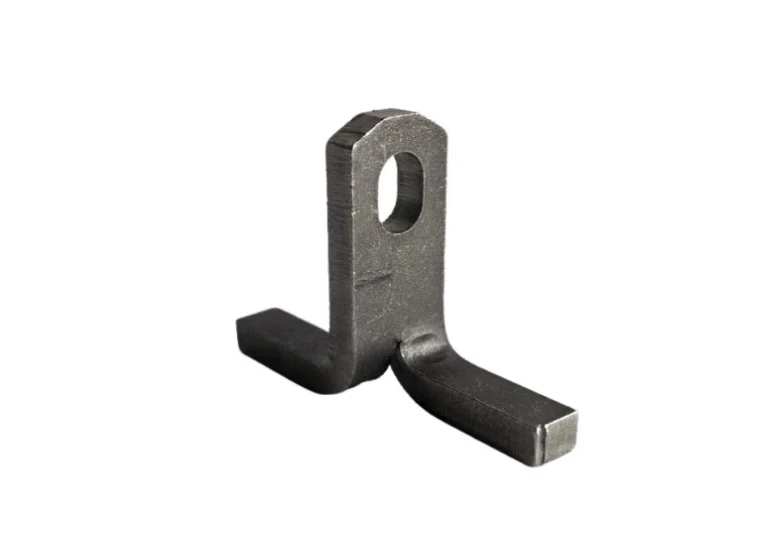
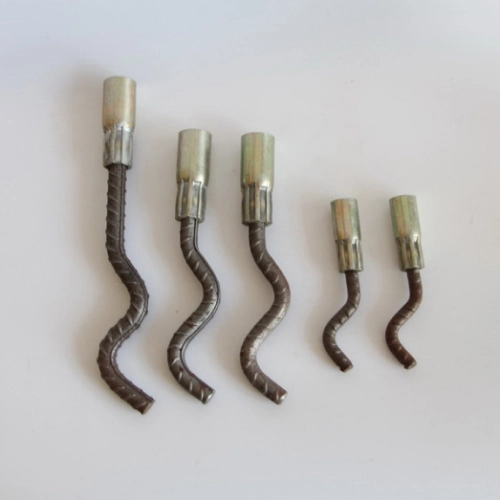
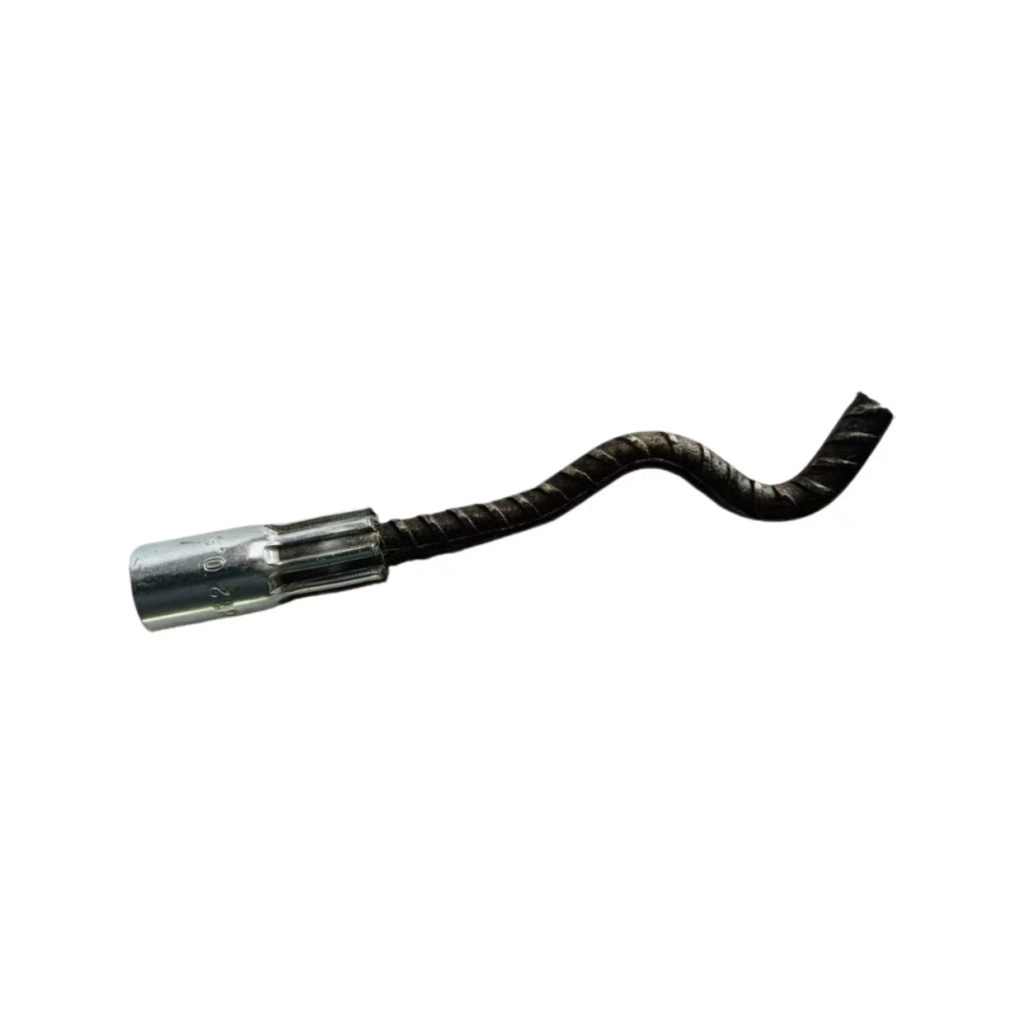
The key part of a wavy tail anchor is its wavy end section. This form boosts the area that touches the concrete. It improves hold and bond power. Straight tail anchors slip more under weight. The wavy shape cuts that slip a lot. So, it works better in spots with big stress.
Besides the hold, this form makes it easy to line up with other building parts when pouring concrete. You can put it into a ready-made panel or link it to a rebar setup. The fit is smoother and more exact.
Superior Durability
Wavy tail anchors come from strong metals. These often include stainless steel or coated carbon steel. The materials give good work over a long time. They handle hard building spots well.
They fight off rust from water, chemicals, or changing heat. In big projects like bridges or tunnels, anchors face shakes and pressure. Here, this lasting strength keeps the build solid for years.
Improve Construction Efficiency
Old anchors for concrete take a lot of work. They need drilling, extra supports, or fixes after setup. Wavy tail anchors skip many of these tasks.
- You embed them right in during the concrete pour.
- Their form makes lining up simple.
- Less need for fixes cuts work costs and mistakes.
This leads to quicker setup times. It means cleaner schedules for projects. And it makes sites safer too.
Application Areas of Wavy Tail Anchor
Application in Building Structures
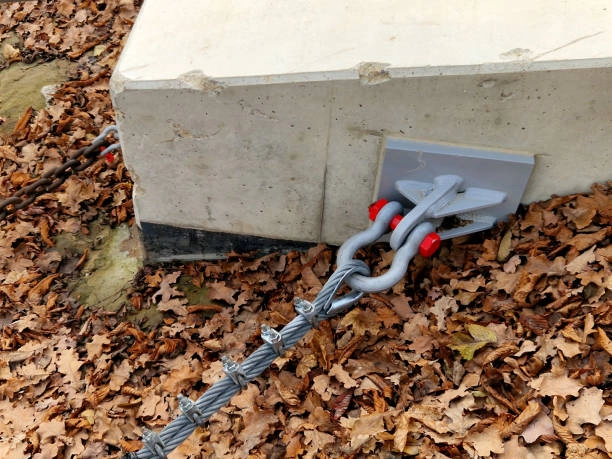
Wavy tail anchors often go into ready-made concrete panels and wall setups. Their firm hold gives steadiness to face parts and weight-carrying builds.
In wall coverings or outer layer systems, these anchors lock panels in place well. They do this without hurting looks or strength.
Bridge and Tunnel Construction
Big projects with moving loads, such as bridges and tunnels, need anchors for shakes, weight changes, and weather stress. Wavy tail metal anchors keep their grip in these cases. That makes them great for tough jobs.
Underground Construction and Infrastructure Construction
From deep cellars to subway lines and service tunnels, underground work needs sure hold options. Wavy tail anchors give a firm grip in support walls, base footings, and pipe paths.
Their rust-proof traits fit spots with lots of damp or ground water too.
How to Use Wavy Tail Anchor Correctly
Installation Steps
- Place the concrete anchor as per the build plans or needs.
- Embed the anchor at the right depth while pouring concrete.
- Check that it lines up well with your eyes or tools.
- Wait enough time for the concrete to harden before adding weight.
Right placement matters a lot. Wrong lineup can lower hold power. It might cause build breaks too.
Maintenance and Inspection During Use
Regular checks should be in your upkeep plan:
- Watch for rust, breaks, or shifts.
- Test the anchor’s weight hold if the build use changes.
- Keep records of checks for rule following.
This keeps your anchors safe to use even after a while.
Safety and Compliance
Always stick to build rules and maker’s tips when setting up. Make sure the anchor setup works with nearby parts like rebar frames or built-in plates.
Wrong anchor type or bad setup ways can lead to big safety issues. That includes build harm and harm to people.
Comparison with Traditional Anchoring Systems
Comparison with a Straight Tail Anchoring System
Wavy tail builds do better under pressure than straight tail ones. Their hold lock works more in pull forces or moving weights.
This extra grip fits builds with heavy use or earth shakes.
Comparison with Other Modern Anchoring Technologies
Chemical anchors and spread bolts have their own jobs in building. But they need exact hole making, wait time for chemical ones, or tight turn controls.
Wavy tail anchors differ. They install faster. They need less prep on surfaces. And they give steady work without mix changes from chemicals.
- They’re quicker to install
- Require less surface prep
- Provide consistent performance without chemical reaction variables
They balance cost savings and build trust well.
Benefits of Choosing BaoQi
Professional Manufacturing and Customization Services
BaoQi gives pro custom fixes based on project needs. If your work is for homes, shops, or big builds, they can adjust anchor forms to fit just right.
High-quality Production Guarantee
We use new making steps and tight check systems. This makes sure each group of metal anchors works steady. Every one meets top marks for sameness and safety.
Excellent After-Sales Service
We offer full tech help and fix advice after you buy. You get more than a product. It’s long help from pros who know real job problems.
Global Supply Chain and Logistics Advantages
BaoQi has a quick world supply setup. It meets customer wants fast and gets goods there on time. No matter if you’re in Europe, North America, or Southeast Asia, BaoQi delivers when needed.
International Certification and Industry Reputation
Our products follow many world quality and safety rules. They get wide nods in the field. Picking BaoQi means you join a maker trusted around the globe.
Other Precast Concrete Accessories You Might Want to Know About
For folks in ready-made concrete work, BaoQi has other matching items:
- Lifting anchors for safe moving
- Fixing sockets for firm links
These items pair well with wavy tail anchors. They help with strength and smooth work flow.
Build Business With BaoQi
Want to sell as a middleman or add BaoQi items to your next big job?
BaoQi invites world partners like builders, tech experts, project leads, and sellers. Their easy team-up way helps make good business ties across areas.
FAQ
Q1: What makes wavy tail anchors better than straight ones?
They provide superior mechanical grip due to their shape, reducing the risk of slippage under load.
Q2: Can wavy tail anchors be used in underwater or high-humidity conditions?
Yes. When made from corrosion-resistant metal alloys like stainless steel, they’re suitable for wet environments.
Q3: How do I know what size anchor I need?
Refer to your structural engineer’s specifications or consult BaoQi’s technical team for sizing assistance.
Q4: Are these anchors compatible with magnetic formwork systems?
Yes. BaoQi’s wavy tail anchors are designed for integration with various construction systems including magnetic setups.
Q5: Does BaoQi offer support after purchase?
Yes. Their team offers full technical guidance and troubleshooting support after purchase.