Putting lifting loops into building workflows is not only about ease — it is a key part in stopping injuries at work, harm to tools, and breaks in structures. If you are hoisting big precast concrete beams or setting up parts for the sea, the proper lifting loop makes sure that weight gets spread out right and handled without risks. When you pick and fit them well, these parts really improve safety, speed, and rule-following on the job.
The Role of Lifting Loop Integration in Construction Safety
Importance of Safe Load Handling on Construction Sites
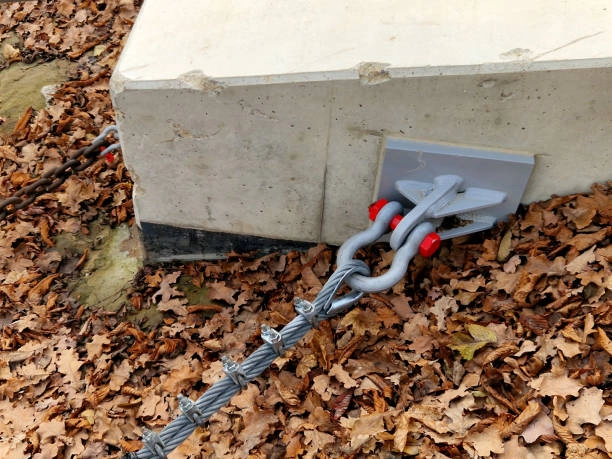
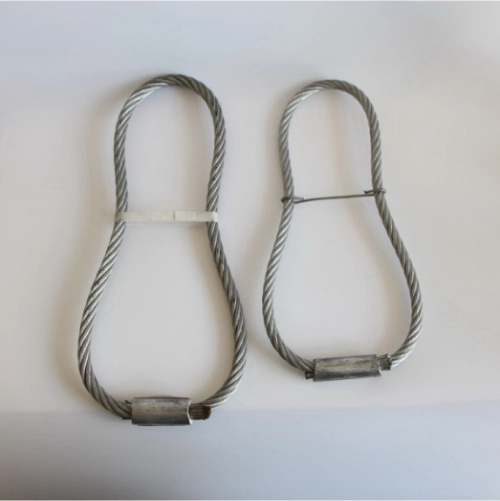
Safe handling of loads is basic on any building site. Heavy precast items — from wall panels to columns — need to get lifted and put in place with care. Lifting loops cut down on accident chances during these tasks by giving a strong link between the load and the crane hook.
How Lifting Loops Contribute to Structural Integrity
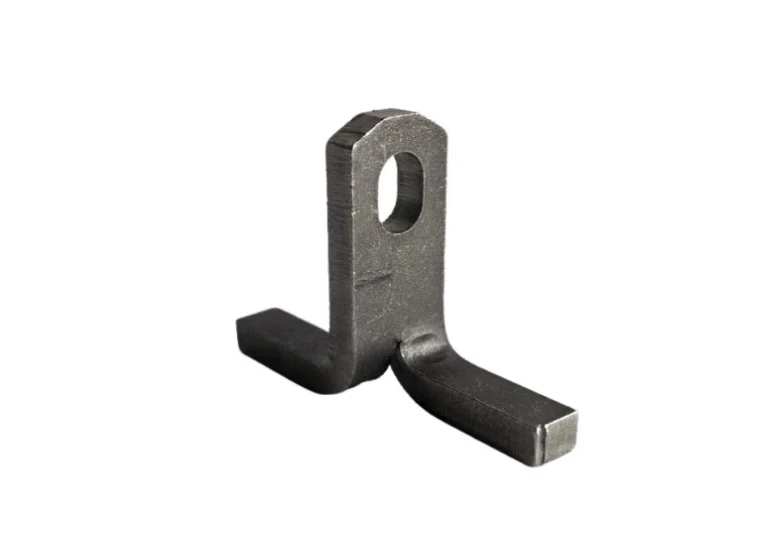
Lifting loops get placed right into concrete parts while they form, making a firm spot for anchors in later lifts. They spread out stress in an even way through the concrete setup, so you avoid cracks or chips in spots. This steady structure is very important for parts that carry loads. Those parts must stay strong during moves and setups.
Structural Design and Material Considerations for Lifting Loops
Engineering Principles Behind Lifting Loop Design
The setup of a lifting loop follows several building factors. First comes shape — the loop’s size and form decide how loads move through the loop into the concrete.
Just as key is how stress spreads under weight. Builders model these forces to make sure lifting loops do not break when pulled.
Finally, fitting into molds must be exact so loops sit at the right depth and angle. Loops that are off can cause risky lifts or even structure breaks during hoisting.
Selection of Materials for Durability and Strength
Lifting loops often get made from strong steel to deal with big loads without stretching or snapping. For tough spots — like sea areas or places with chemicals — fighting rust is important. You get this through galvanizing or special covers that make the part last longer without losing power.
Besides, how well the material works with concrete matters a bunch. The loop needs to stick well during hardening without starting tiny cracks or chemical issues.
Manufacturing Techniques That Enhance Performance
To keep performance going long-term, making methods have to protect material strength. Forging, instead of just cutting or bending, keeps the steel’s grain setup, which boosts resistance to wear from use. Welding ways follow tight rules to skip weak points at joins — mainly in spots that take heavy loads.
Checks for quality like load tests, size reviews, and tests without harm make sure things stay the same in every group. These steps prove that each lifting loop works as it should in real situations.
Applications of Lifting Loops Across Industries
Use in Precast Concrete Construction Projects
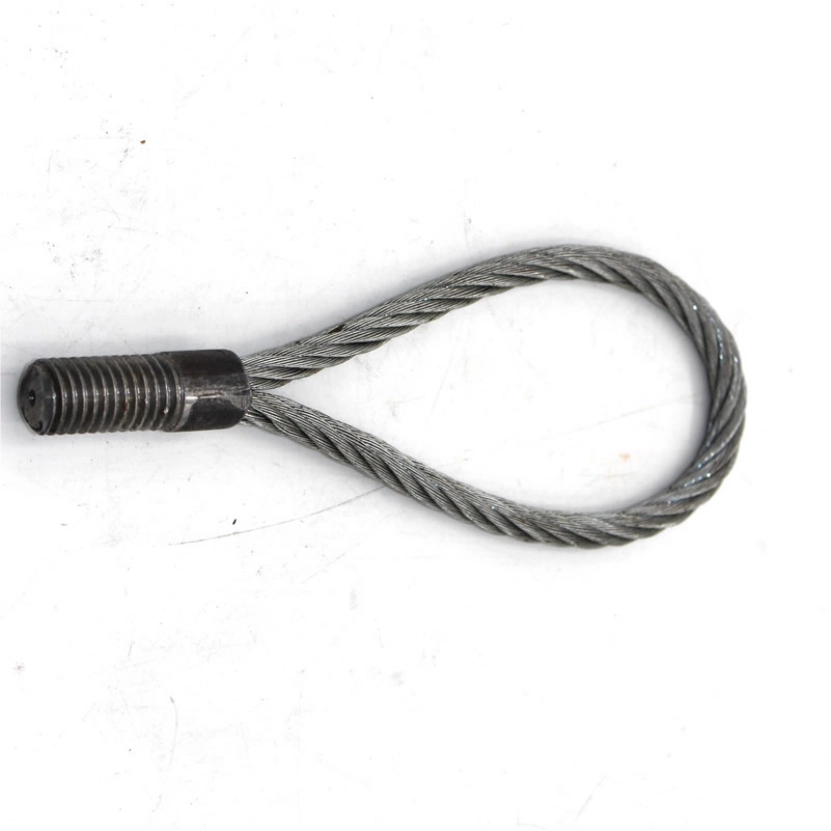
In precast building, lifting loops are a must. They allow safe moving of large panels, slabs, beams, and other precast concrete parts. By putting loops in during forming, crews on site can hoist pieces straight from trucks into spots — which shortens crane time and betters planning.
This skill backs up modular building ways where quickness and exactness count. Lifting loops help save money right away by making handling tasks smoother and needing less work from people.
Role in Maritime and Offshore Installations
In sea sectors, lifting loops handle heavy parts like concrete weight blocks or platforms under water. These setups deal with rust-causing conditions and changing loads from waves or wind blasts. Loops made for sea use must hold up against both chemical hits and shifting forces from machines.
Integration in Transportation and Logistics Operations
Cast in loops make loading and unloading big cargo easier — from generators to ready-made structures — and they lower chances of harm during shifts. While moving, they act as tie spots for safe holds, so cargo stays steady even in quick turns.
Application in Industrial Equipment Manufacturing
Heavy machines often have strong bases or frames that need right placing during build or moves. Lifting loops let you handle these parts without risks, and they skip short-term straps or rough rigging. This cuts build time and dangers at work.
Safety Features Embedded in Lifting Loop Design
Enhancing Load Stability During Lifting Operations
A main safety plus of lifting loops is how they steady loads in the air. They stop too much swing or spin by lining up with the weight center. This makes hoisting more expected and safer for folks around.
Fatigue Resistance Under Repeated Stress Cycles
Work settings often use lifting systems again and again through a job’s time. Top lifting loops get built to fight wear even after many load rounds without dropping strength or changing shape under pull.
Resistance to Environmental Degradation
Guard covers — like hot-dip galvanizing or epoxy layers — protect the steel from wet, salt, and chemicals that might weaken it over days. This lets lifting systems work well through heat changes and outside conditions.
Inspection Protocols and Maintenance Guidelines for Lifting Loops
Frequency and Scope of Routine Inspections
Regular checks spot early marks of wear or rust before breaks happen. Tests with loads now and then can check if the loop still hits its set limit.
Repair Procedures to Restore Functionality
If you find harm, use only approved fix ways. Welding fixes must stick to certain rules to bring back full power without adding new weak spots. When harm hits the main setup, swapping it out fully is safer than quick patches.
Adherence to Industry Safety Standards
Following rules is a must in most fields using lifting systems. Many loops get made to match ISO 10555 or EN 1992 guides and need certs for use in controlled jobs like public builds or nuclear spots.
Criteria for Selecting the Appropriate Lifting Loop Type
Matching Loop Specifications With Project Requirements
Each job calls for a certain loop size based on the weight and direction of the part getting lifted. Picking the wrong kind — too small or not matching insert shape — can lead to bad results. You need to line up loop width, length, and pull rating with both planned loads and outside settings.
Advantages of Partnering With BaoQi as a Supplier
Product Quality That Meets Industrial Demands
Strong materials from approved sources make sure BaoQi’s products hit the lasting standards needed in fields. Exact making steps ensure close fits and sameness in each lot.
Commitment to Safety Across All Product Lines
BaoQi’s lifting loops get tested past normal safety marks, giving calm even in hard spots. The firm’s fresh ideas aim to boost safety while making setup easier.
Additional Precast Concrete Accessories Worth Considering
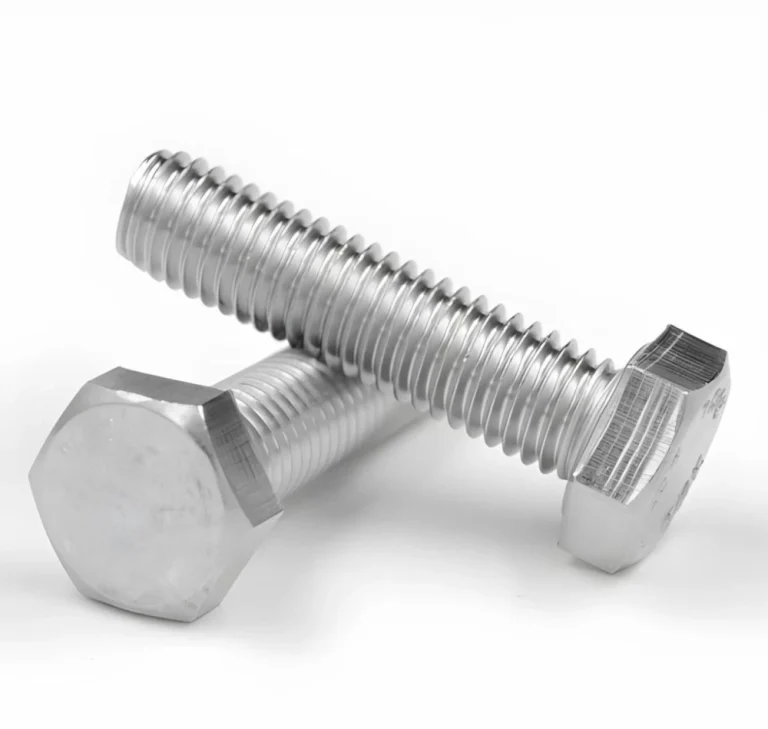
Concrete bolt anchors get made for firm holds — mainly when linking structure parts after setup. Combined systems that mix lifting loops with inserts make workflows simpler, and they cut time for team work.
Collaborating With BaoQi for Long-Term Value
BaoQi gives tech help fitted to your job’s exact lifting and fastening needs, so every bit gets handled before setup starts. With steady send times, they aid in keeping on schedule even when dates are close.
FAQ
Q1: What’s the difference between cast-in and post-installed lifting loops?
A: Cast in loops are embedded during concrete pouring, while post-installed types are added later using anchors or adhesives.
Q2: How do I determine the correct size lifting loop?
A: Check your component weight, angle of lift, safety factor, and insert compatibility before selecting a loop based on manufacturer specifications.
Q3: Can lifting loops be reused?
A: Only if they’re rated for reuse and pass inspection; otherwise, treat them as single-use for safety.
Q4: Are there corrosion-resistant options for marine use?
A: Yes, galvanized or stainless-steel lifting loops with special coatings are available for harsh environments.
Q5: Do concrete bolts anchors work with lifting systems?
A: Yes, they’re often used alongside lifting loops for securing elements post-installation or during temporary staging.