Key Differences Between 3T, 6T, and 10T Erection Anchors
Load Capacity and Safe Working Load Considerations
Choosing the right erection anchor begins with understanding its rated load capacity. Each anchor type is engineered for a specific range of lifting loads:
| Size | T | W | L |
| 3T | 3/8″ | 2-3/8″ | 8″ |
| 6T | 5/8″ | 2-7/8″ | 10-3/8″ |
| 10T | 3/4″ | 4″ | 12-3/4″ |
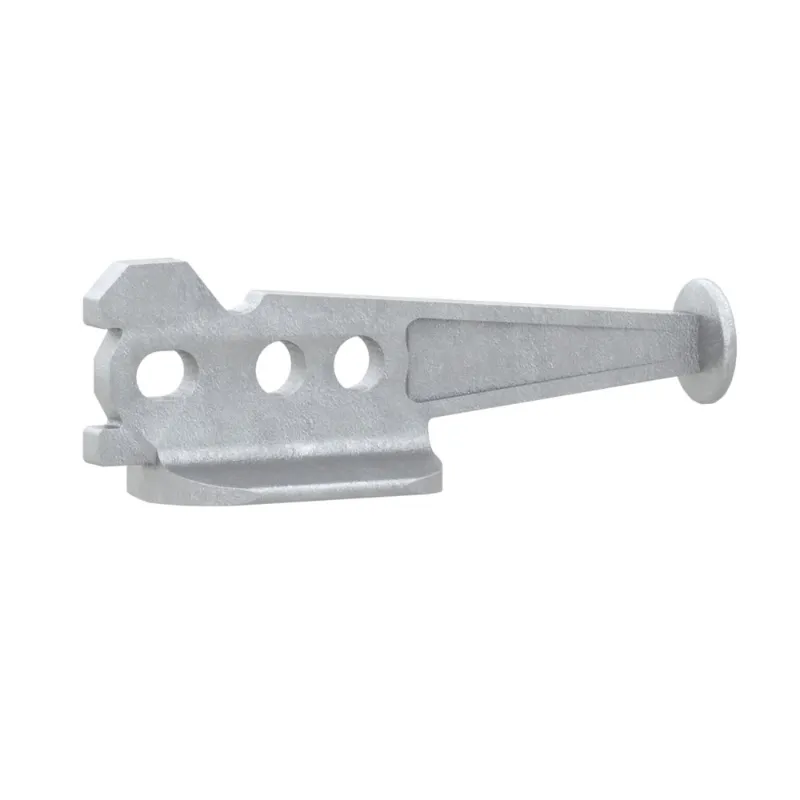
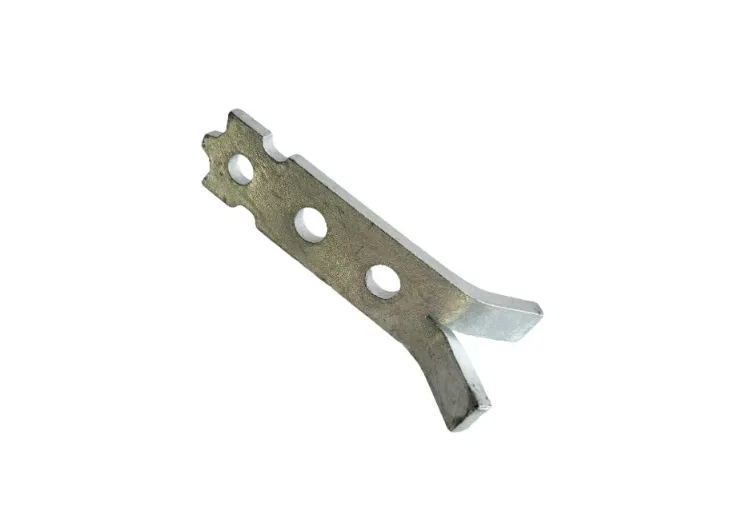
The safe working load is not just about lifting ability—it’s a safety threshold. Overloading any anchor beyond its certified capacity can result in catastrophic structural failure or accidents on-site. That’s why matching anchor rating to the actual load is critical. Using a feet forged erection anchor with a rated capacity of 10T, for instance, ensures better performance under high tensile stress when lifting large-scale structural elements.
Physical Dimensions and Material Strength
As the rated capacity increases from 3T to 10T, the physical dimensions of the anchors scale accordingly. Larger anchors feature thicker cross-sections, wider bases, and longer embedment lengths. These are typically manufactured using high-grade forged steel:
- 3T anchors: Compact size, easier to embed in smaller elements.
- 6T anchors: Moderate size with reinforced geometry.
- 10T anchors: Bulky with strong forged profiles.
Forged steel erection anchors offer superior grain structure alignment for enhanced strength under tension loads. This forging process ensures that even under repetitive loading and unloading cycles, the anchor maintains performance without cracking or deforming. Compatibility with lifting clutches also varies; a 10T anchor will require larger engagement heads compared to its 3T counterpart.
Common Applications by Anchor Type
Each tonnage class has typical applications based on structural weight and design.
3T Anchors:
Thin wall panels
Stair treads
Small architectural precast features
6T Anchors:
Medium-size beams and spandrel panels
Double-tee sections
10T Anchors:
Bridge deck units
Precast columns
Large façade panels
Precast components such as walls, floors, and roof trusses are commonly used in the construction industry to speed up the building process and reduce on-site labor costs. Therefore, aligning the right anchor type with component size is essential for safe lifting and transport.
Factors to Consider When Selecting the Right Erection Anchor
Matching Anchor Capacity to Element Weight and Geometry
Before anchor selection, weight estimation must be accurate. Consider:
- Unit weight of concrete (typically ~2400 kg/m³)
- Volume of the precast element
- Dynamic forces during lifting
Geometry also plays a role—elements with irregular shapes or off-center mass may require multiple anchors or higher-rated ones placed strategically.
Installation Environment and Handling Conditions
Lifting isn’t always straightforward. Factors like crane capacity, rigging angles, and available space impact what anchor can be used. Tight spaces may limit access for larger clutches. Steep lifting angles increase effective load on anchors. Weather conditions can influence steel performance—low temperatures demand tougher materials.
Also, when working near coastal or chemical environments, corrosion resistance becomes important. Stainless or galvanized options may be necessary.
Compliance with Industry Standards and Safety Protocols
Erection anchors should always comply with certified testing standards such as ASTM E488 or EN ISO 12195. Traceability is equally important—especially during inspections.
Our products are carefully tested to meet the strict quality requirements and industry standards prior to each shipment. Documentation of batch numbers, test results, and certification should be readily available before installation.
Design Considerations for Optimal Anchor Performance
Anchor Placement Strategy in Precast Elements
Even distribution of load ensures stable lifting. Anchors should be:
- Placed symmetrically around the element’s center of gravity
- Aligned along intended lift vectors
- Installed away from edges to prevent spalling
Improper placement may cause tilting or sudden load shifts during hoisting.
Reinforcement Integration Around Anchors
The concrete alone doesn’t carry all the lifting force—the embedded reinforcement does a lot of work behind the scenes. Proper detailing includes:
- Hairpin or U-bar reinforcements around the anchor shaft
- Anchorage length compliant with structural design codes
- Sufficient cover to prevent corrosion or breakout
Poor reinforcement design can lead to pullout failures even if the anchor itself remains intact.
Manufacturing Quality and Material Selection in Erection Anchors
Importance of Forging Techniques in Load-Bearing Components
Forging isn’t just about shaping steel—it enhances strength. Consistency in forging processes reduces defects that may lead to failure under dynamic loads. A well forged anchor has fewer internal voids, better grain flow, and increased fatigue resistance compared to cast or welded options.
Role of Reputable Suppliers in Ensuring Product Reliability
Reliable suppliers make a difference. Working with experienced manufacturers like BaoQi helps ensure consistent quality across production batches. With over four branch plants certified under ISO-9001 and an extensive international client base,
BAOQI was established in 2010, specializing in the production and export of various forging, casting, punching parts in Qingdao, China. Their focus on lifting systems ensures dependable product support from quotation to delivery.
Practical Tips for Anchor Selection Based on Project Needs
Evaluating Project Scale and Lifting Requirements Early On
Early planning can save both cost and risk. Calculate total lift volume and frequency. Understand if multiple lifts per day are expected. Account for long-term reuse if anchors are to be extracted or recycled.
Coordinating With Structural Engineers During Planning Phase
Involving engineers early ensures that lifting inserts don’t conflict with post-tensioning ducts, rebar cages, or embedded utilities. This coordination also allows for simulation of lifting operations during design modeling.
Benefits of Sourcing from Specialized Component Manufacturers
It pays to go with specialists. Partnering with suppliers such as BaoQi provides access to technical support during specification, design coordination, and installation planning stages. Their experience across different industries—from modular buildings to infrastructure projects—ensures each solution fits operational needs precisely.
FAQ
Q1: What is a safe working load for erection anchors?
A: It refers to the maximum load an anchor can carry safely under specified conditions without risk of failure.
Q2: Can I use a 3T anchor for a heavy precast slab?
A: No. Always match anchor type to actual weight plus safety margin—use a higher-rated anchor like a 6T or 10T.
Q3: How do I know if my anchor meets industry standards?
A: Check for certification markings and request compliance documents from the manufacturer.
Q4: What’s the difference between forged and cast erection anchors?
A: Forged anchors have aligned grain structures for better strength and fatigue resistance than cast parts.
Q5: Where can I source high-quality erection anchors?
A: BaoQi specializes in forged industrial parts tailored for heavy-duty applications including construction and lifting systems.